




Fine art floral photography explores flowers not as decorative subjects, but as visual forms shaped by light, texture, and atmosphere. In this approach, realism gives way to interpretation, allowing familiar natural elements to become expressive photographic compositions.
Rather than emphasizing botanical accuracy, these images focus on mood, contrast, and visual relationships. Soft transitions, selective clarity, and controlled abstraction shift attention away from literal representation and toward perception and feeling.
Flowers in this body of work often exist between presence and suggestion. They remain recognizable, yet detached from their natural context, inviting the viewer to experience them as visual impressions rather than objects.
Contrast plays a central role in many of the images — whether through color, texture, or sharpness. Subtle visual tensions guide attention and create a quiet rhythm within the frame, where details emerge gradually through observation.
This gallery presents a selection of fine art floral photographs that reflect a personal exploration of flowers as a visual language, shaped by restraint, interpretation, and emotional nuance. This gallery is part of a broader exploration of artistic flower photography, where visual interpretation takes precedence over representation.
Topics
Contrast between the flower and its surroundings, both in color and texture
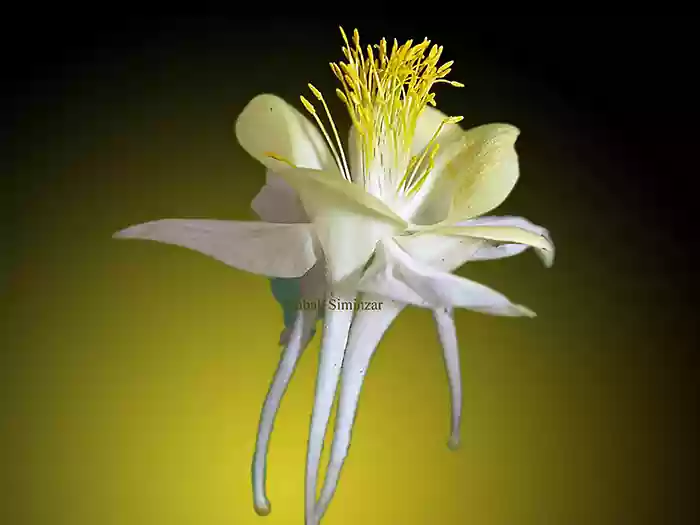
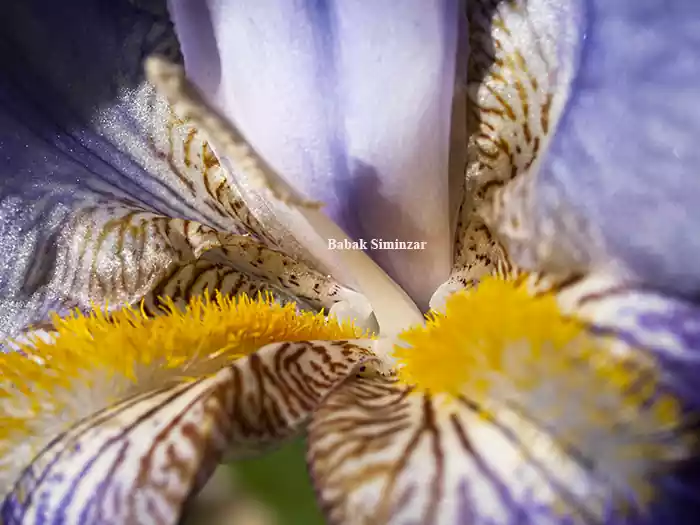
Notice in this photo that the stamens’ bright yellow color contrasts with their dark background. This contrast makes one unconsciously pay attention to the stamens’ details. On the other hand, the lower part of the photo is lit in the same color as the stamens. Still, the border is unclear and blurry, which, again, contrasts with the stamens’ sharpness, introducing a sense of visual symmetry within the image.
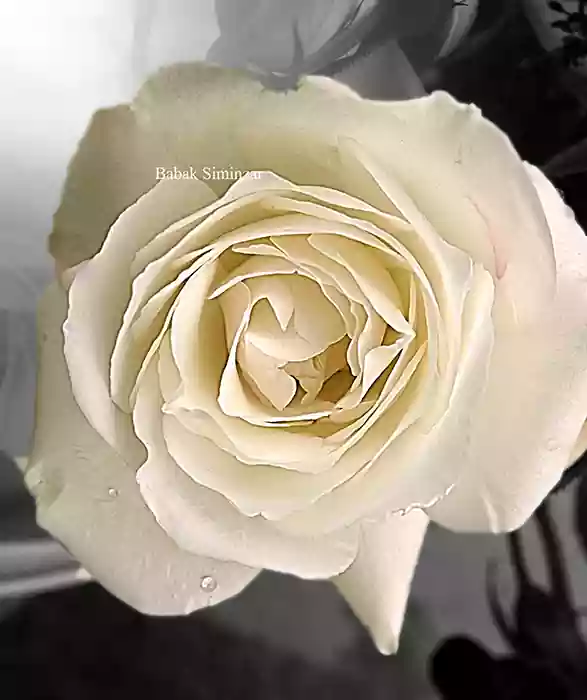
This cream-colored rose stands in quiet contrast to its black and white surroundings. By isolating color within a muted environment, the image draws attention to the flower not as an object, but as a visual presence.
The surrounding forms are softly blurred, while the rose remains sharp and clearly defined, introducing a second layer of contrast between clarity and diffusion. Together, these elements create a restrained visual tension, where color, focus, and simplicity work in balance rather than competition.
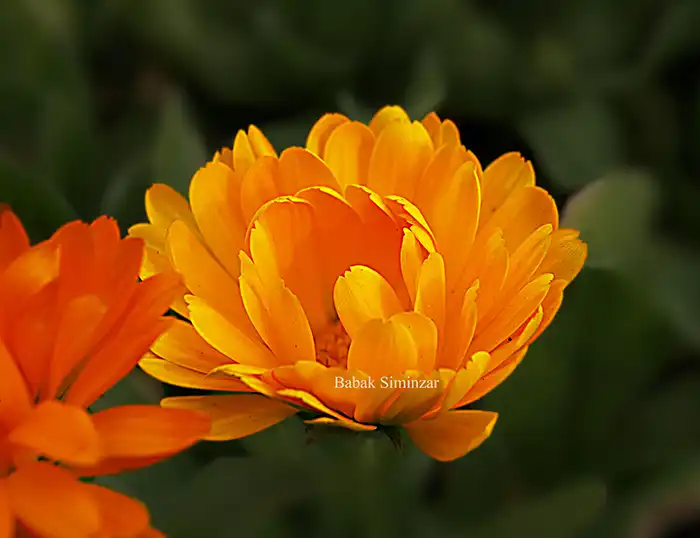
In this one, flowers of the same species appear in warm tones of yellow and orange, creating a natural harmony through color alone. Set against a softly blurred field of green leaves, the flowers seem to emerge from their surroundings rather than sit within them.
The contrast between warm, luminous hues and the muted green background allows the forms to feel suspended, almost floating. This balance between harmony and contrast gives the image a quiet visual intensity, where color and separation guide the viewer’s attention.
This flower appears in a soft green-yellow, surrounded by darker green, dried leaves that form a textured, almost decaying surface. While the flower itself remains intact and clearly defined, its surroundings are fragmented and dense, composed of dried organic elements.
This contrast introduces a quiet tension between vitality and decay, drawing attention to the flower as a fragile presence within an exhausted environment. At the same time, the shared green palette carries a slightly wild, unsettling quality. Combined with the underlying theme of life and death, this ambiguity transforms the image into a restrained yet mysterious visual statement.

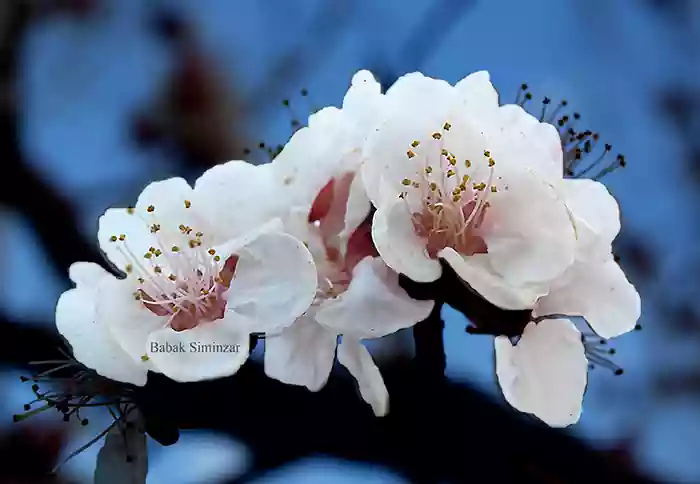
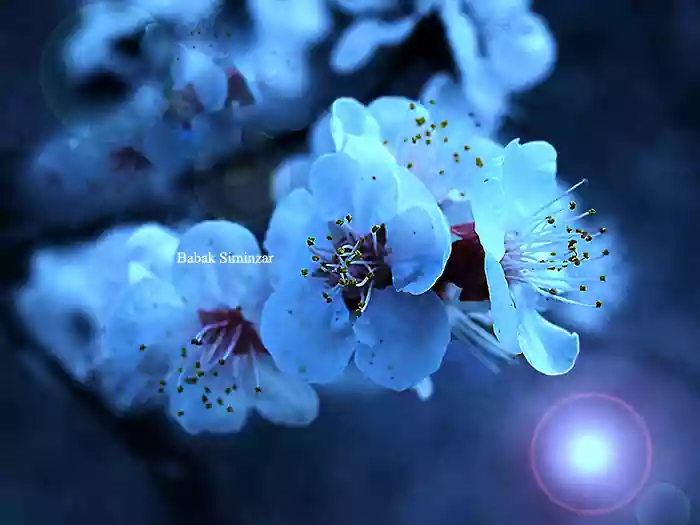
This is a simple image of white blossoms set against the deep blue of the twilight sky. The glowing flowers echo the presence of moonlight, suspended quietly within the surrounding darkness.
Artistic Harmony Between Flowers and Their Surroundings
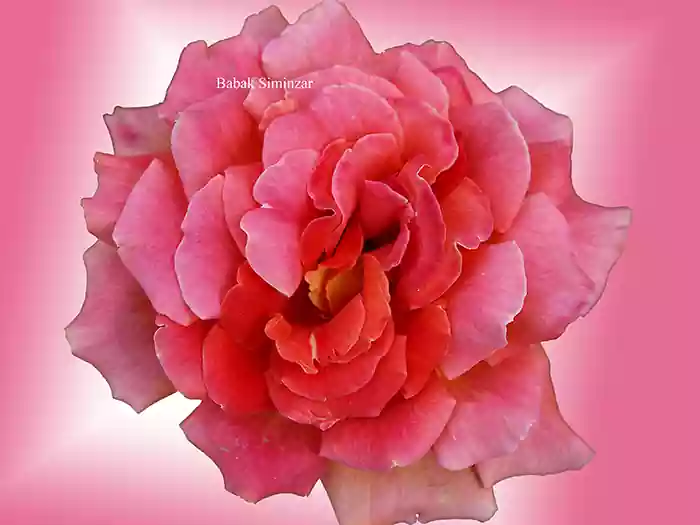
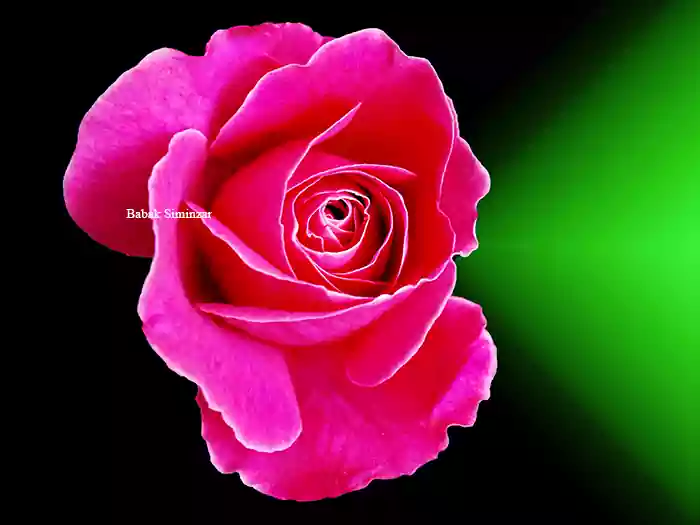
This pink rose exists in quiet harmony with its surroundings, where color and form align naturally.
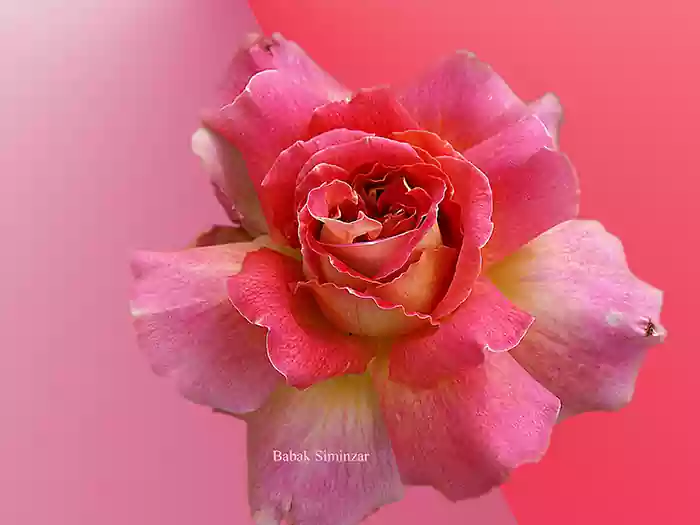
Here, the harmony between the pink rose and its surroundings takes a different visual form.
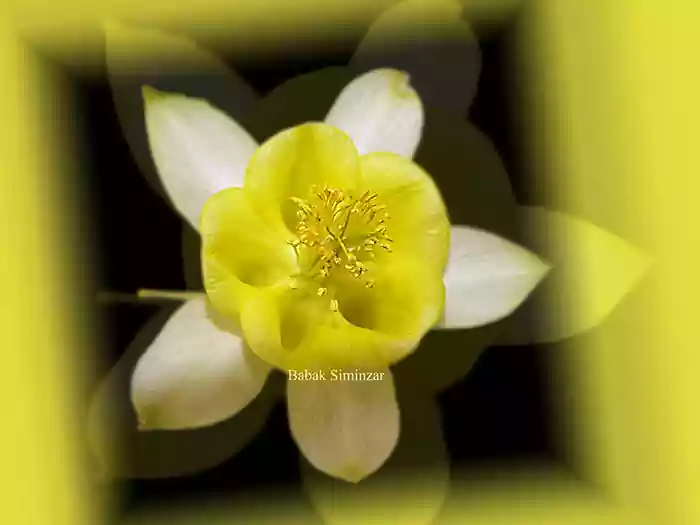
A tiny flower fills most of the frame, its intricate stamens drawing the eye, while the surrounding colors remain simple and harmoniously restrained.
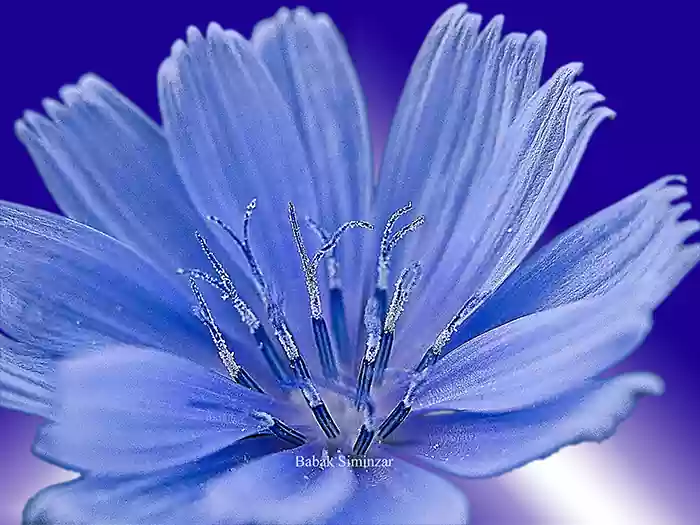
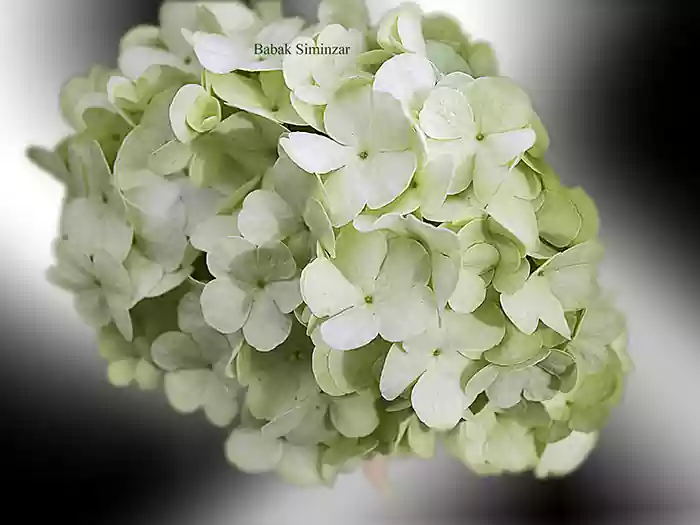
At first glance, the dark areas along the edges appear dominant, yet they ultimately serve to frame and emphasize the cluster of small flowers at the center. The pale green tones remain understated, while the surrounding darkness gives the composition its visual focus.
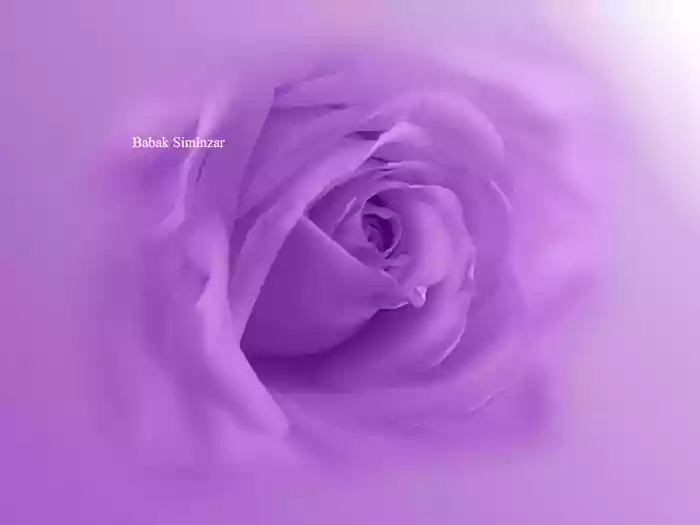
This imaginary purple rose appears without clear boundaries, blending into its surroundings as if emerging from a glazed, liquid surface.
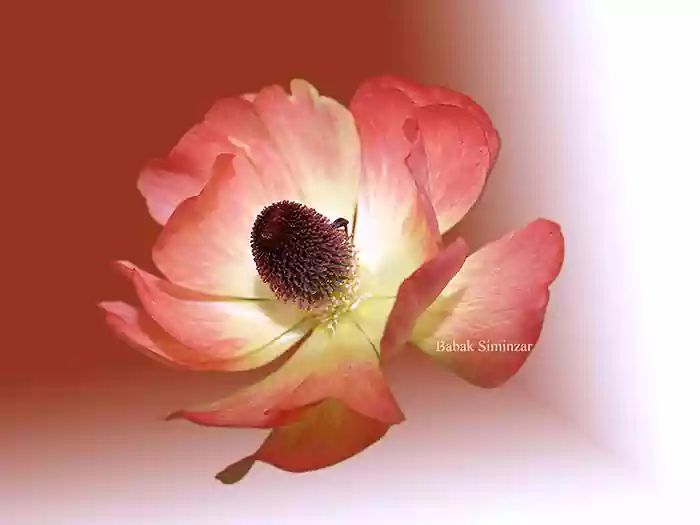
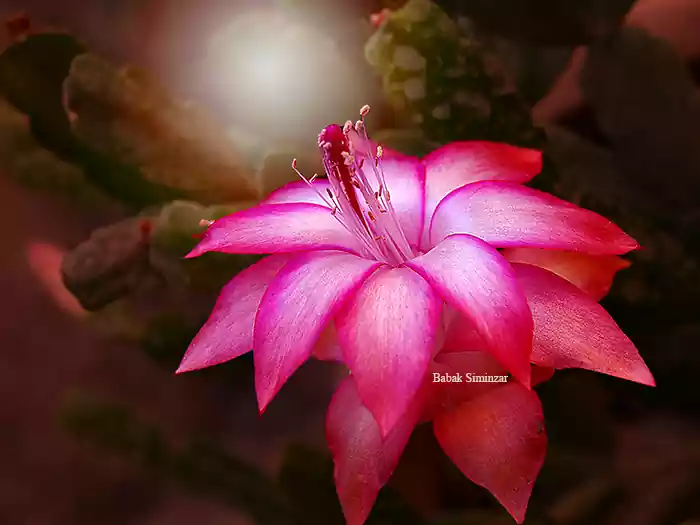
In this image, the crimson petals gather like a radio telescope, opening upward and directing their color toward the sky.
Distinct Floral Visions
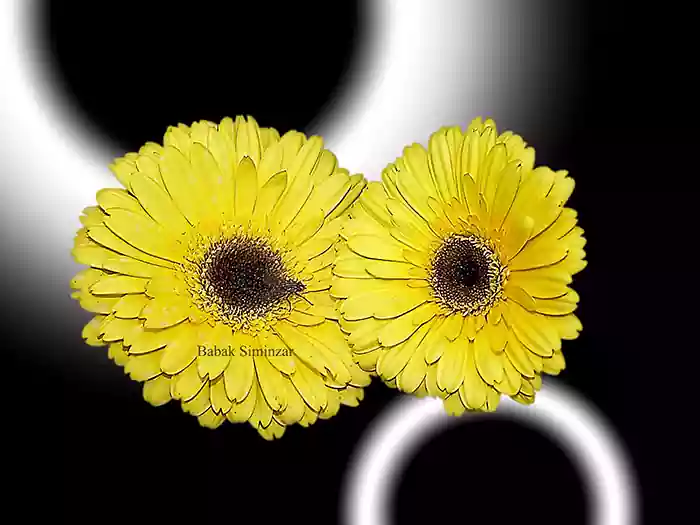
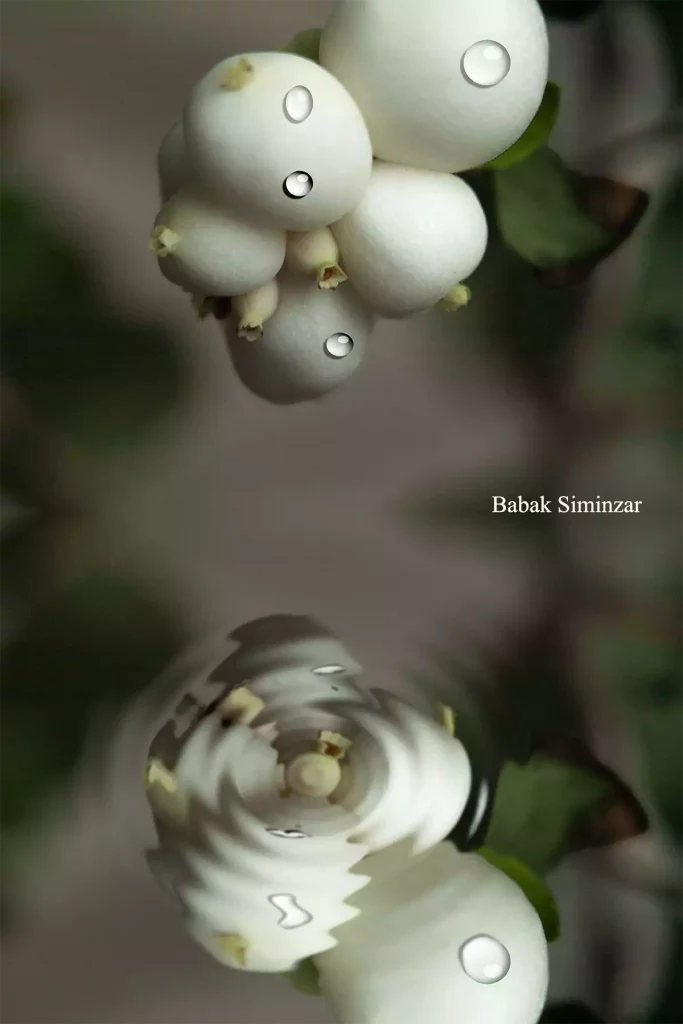
This image explores symmetry through subtle variation. While the flowers and their surrounding crescent forms differ in size, their placement remains carefully balanced. One crescent appears sharp, while the other dissolves into a blur; together, they maintain precise visual symmetry.
Within the twilight, blossoms appear to align into a strange natural form, where order quietly emerges from the organic.
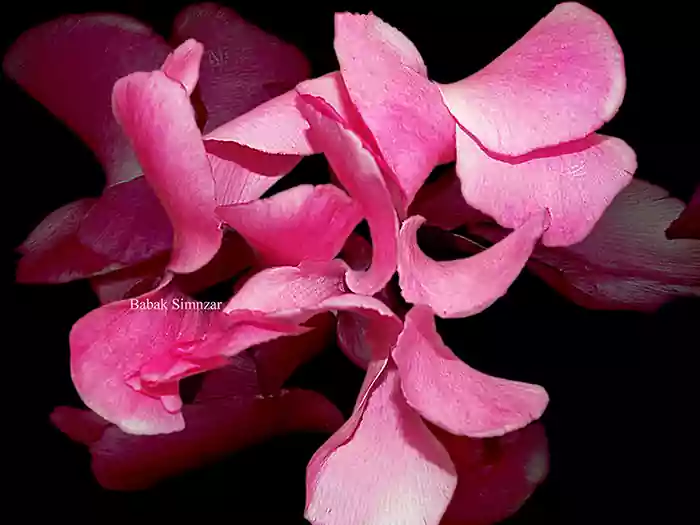
This presents a withered pink flower whose color still carries a trace of vitality. While the surrounding forms belong to the same flower, they appear dark and faded, creating a subdued, sad atmosphere.
Caught between presence and decay, the image evokes a quiet transition — a moment where life lingers even as it moves toward disappearance.
Only a Fragment, Fully Present
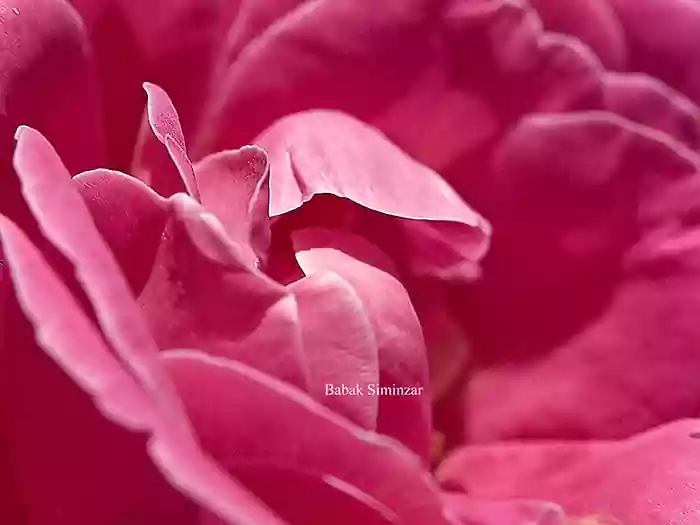
The heart of a small rose bud fills the entire frame, transforming a fragile detail into a concentrated visual presence.

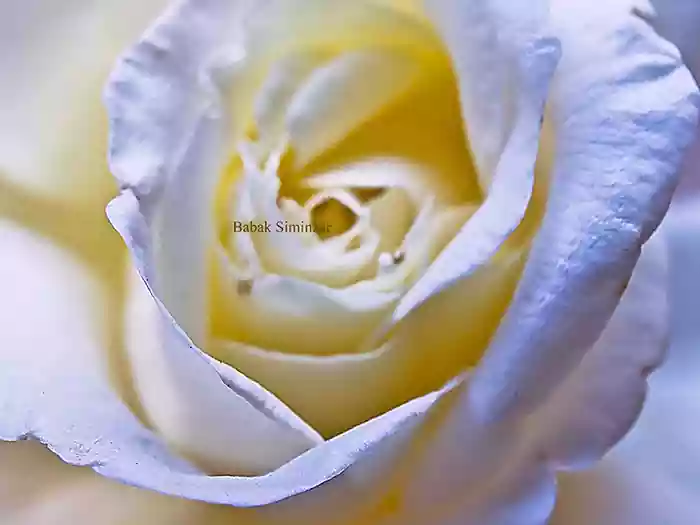
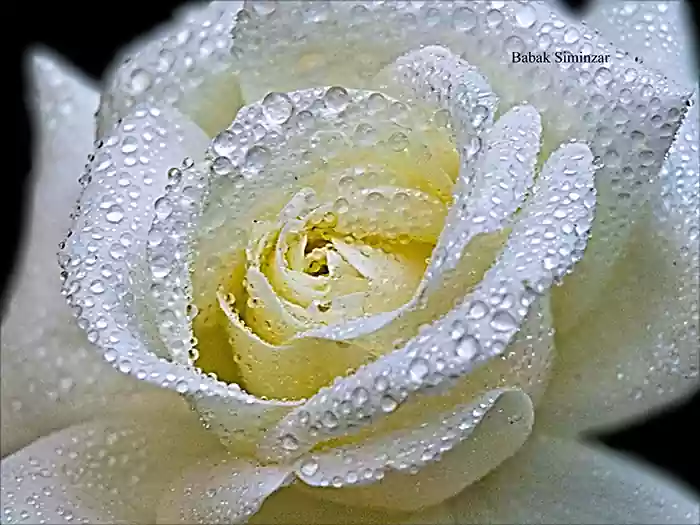
This small white rose bud fills the frame, its luminous form recalling the quiet presence of a white wedding dress.
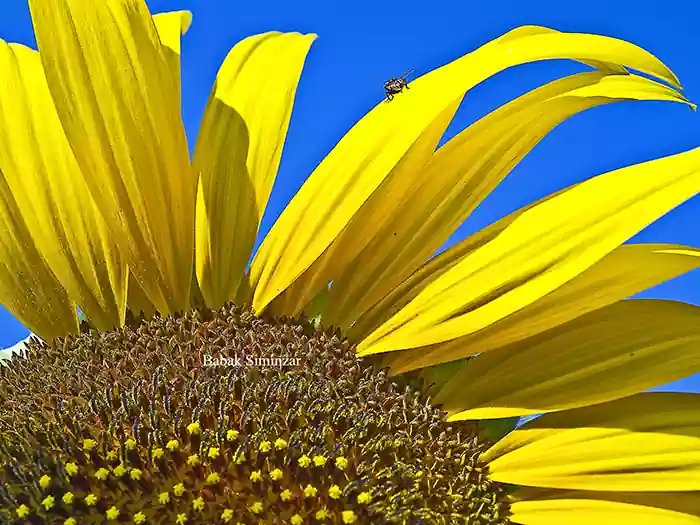
Only part of a sunflower enters the frame, yet the blue sky remains visible through its elongated yellow petals. The image balances fragment and context, allowing the flower and its environment to coexist within a single visual moment.
Using images for personal purposes is free, but you may not use the material for commercial purposes. The image attributes are required for any redistribution. Changing images or eliminating watermarks is not allowed. For more information, please look at the Images License.
昔から憧れてた、あなたみたいな絶景見たい。とても嬉しいです!。