


Architecture reflects more than construction alone. Light, symmetry, geometry, texture, and spatial balance can transform historical buildings into powerful visual subjects. These architectural photography examples explore traditional Persian mosques, historic palaces, decorative interiors, and monumental structures where design and atmosphere become part of the artistic experience.
From intricate turquoise tilework to repeating arches and symmetrical domes, this gallery presents architectural scenes shaped by craftsmanship, structure, and visual rhythm across Iran and the United Arab Emirates.
Topics
Interior Spaces and Architectural Symmetry
Historic Mosques and Sacred Architecture
The entrance arch and dome of Sheikh Lotfollah Mosque in Isfahan reveal extraordinary geometric precision and craftsmanship. The intricate turquoise tile patterns covering the interior surfaces were not painted, but carefully assembled from countless small mosaic pieces. Layers of repeating details and vibrant colors create a visually immersive architectural atmosphere filled with symmetry, rhythm, and artistic complexity.
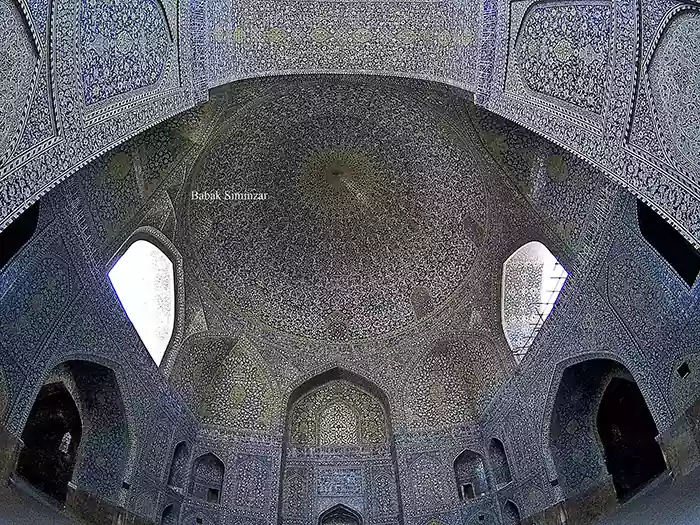
Inside the Abbasi Mosque of Isfahan, repeating domes and arches extend through the architectural space with remarkable balance and symmetry. Decorative turquoise tilework covers the walls and curved surfaces with intricate patterns that emphasize order and visual harmony. The layered structure of the interior creates a sense of grandeur and spatial continuity.
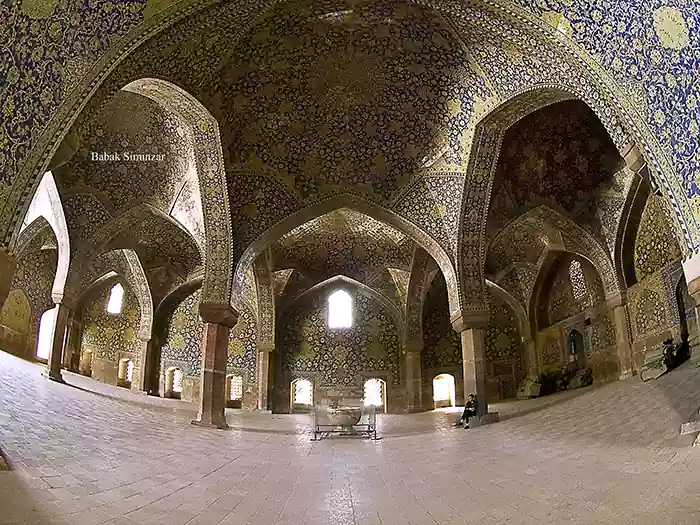
Another corridor within the Abbasi Mosque reveals a sequence of repeating arches and domes stretching beside the courtyard passageway. The strong symmetry of the architecture draws attention toward the distant opening, while the seated figure introduces a quiet human presence within the monumental space. The scene combines architectural order with stillness and contemplation.
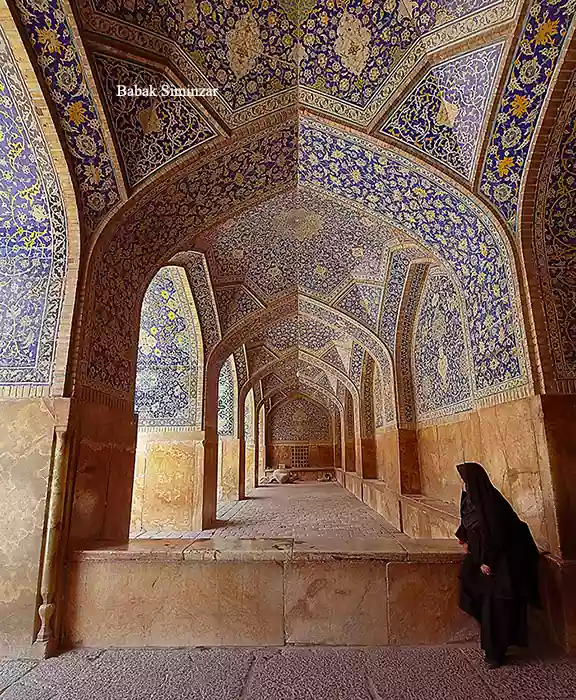
Seen from a different angle, the repeating arches and turquoise architectural details create a flowing visual rhythm through the corridor. Light entering the structure softly emphasizes the textures and geometric balance of the historic interior.
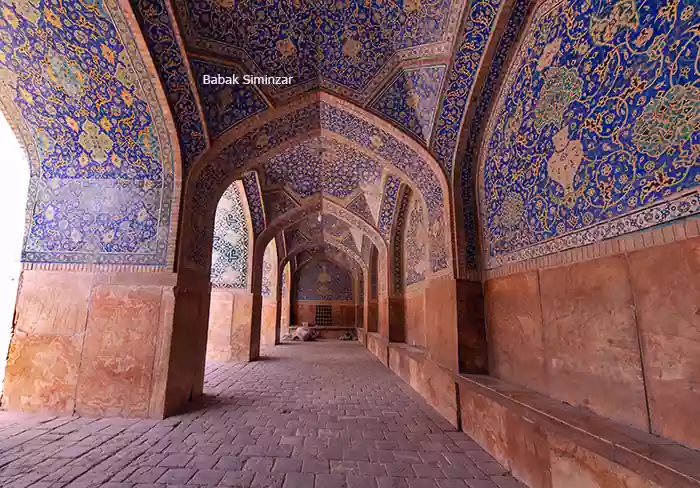
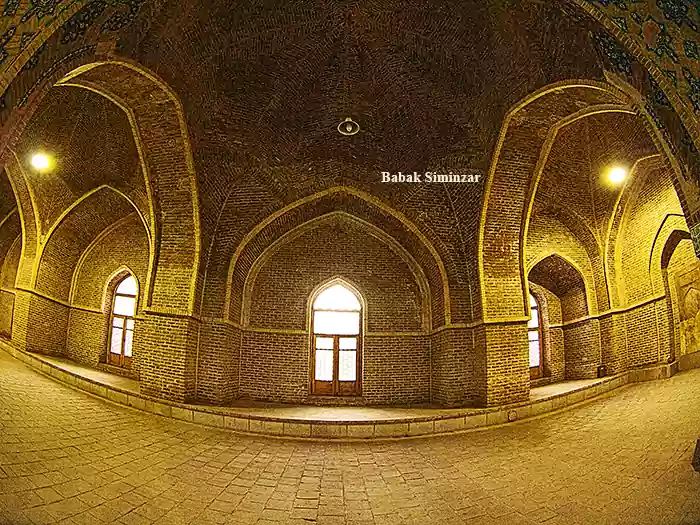
Inside the Blue Mosque of Tabriz, layered arches, domes, and arched windows create a visually balanced corridor shaped by symmetry and repeating forms. Colored brickwork and decorative details enrich the interior space while soft natural light highlights the depth and structure of the architecture.
Historic Palaces and Royal Interiors
Viewed through a corridor in Chehel Sotoun Palace, repeating arches and decorative painted surfaces create depth and visual continuity. The combination of perspective, ornamentation, and architectural repetition gives the historic interior a refined and elegant atmosphere.
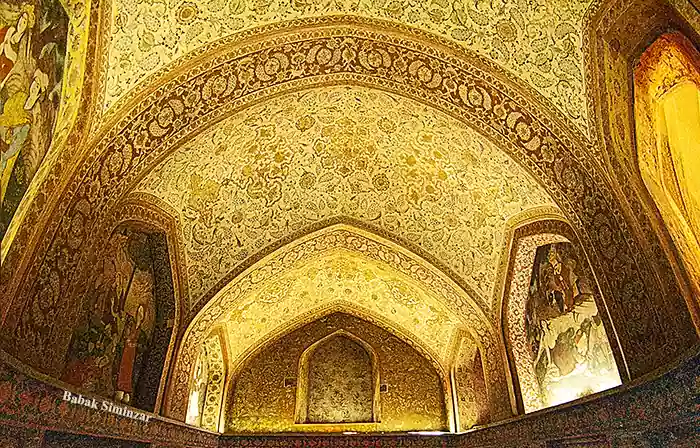
The main hall of Ali Qapu Palace in Isfahan features large symmetrical windows and an unusually detailed ceiling rarely seen in other historic structures. Decorative patterns covering the walls and ceiling emphasize the artistic richness of traditional Persian palace architecture while natural light softly fills the interior space.
Historic Bathhouses
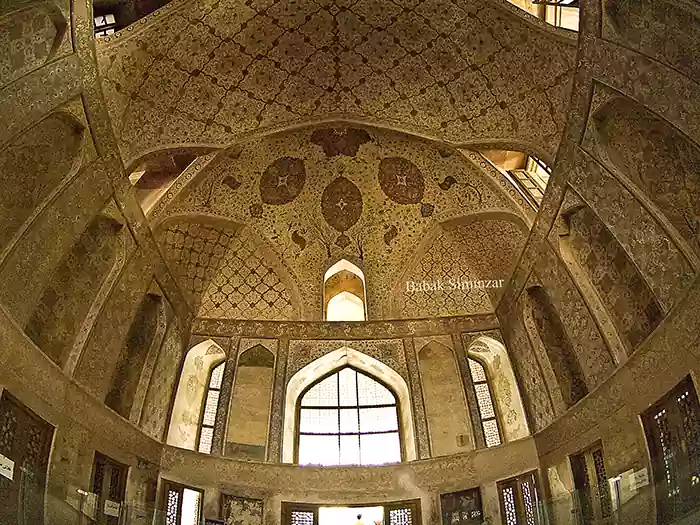
Inside the Fin Bath of Kashan, painted domes and arches display a rich variety of decorative patterns across the historic structure. Curved architectural forms and layered ceiling details create a visually complex interior shaped by repetition, texture, and traditional craftsmanship.
Historic Persian Houses
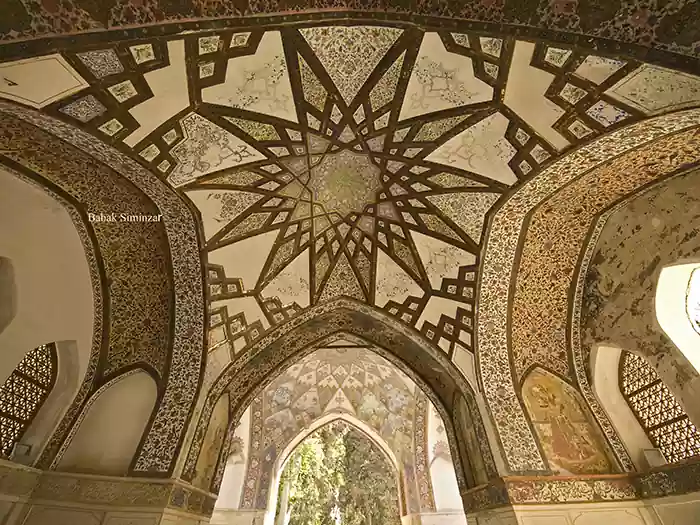
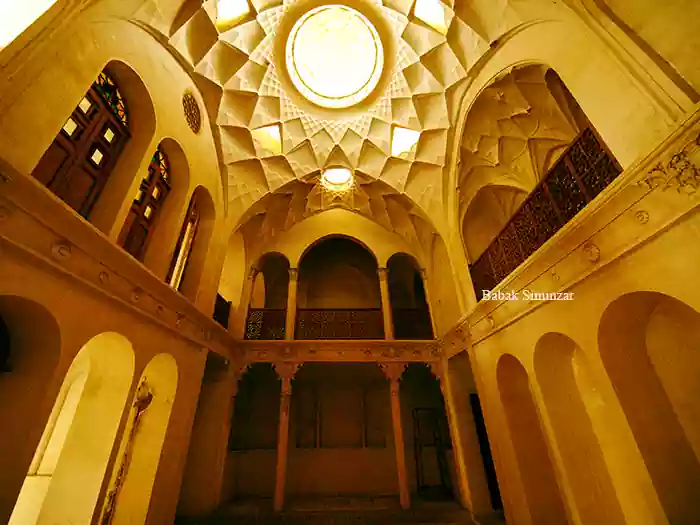
The historic Ameri House in Kashan demonstrates the elegance of traditional Persian residential architecture. Natural light enters through openings in the dome structure, softly illuminating arches, windows, courtyards, and interior spaces. The architecture creates a timeless atmosphere that evokes the feeling of another historical era.
Exterior Architecture and Monumental Forms
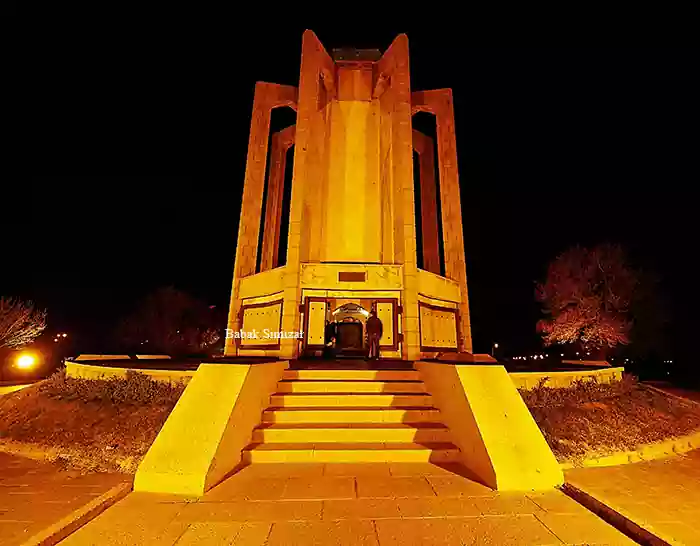
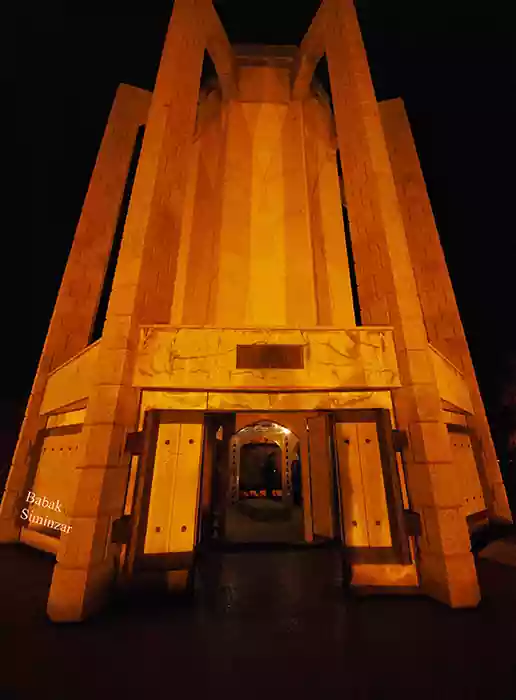
The mausoleum of the Persian poet Baba Taher in Hamadan combines modern architectural design with symbolic monumentality. Large exterior structural blades surround the central core of the building, creating an unusual geometric appearance that feels more sculptural than traditional. The contrast between the historic figure and the modern structure gives the monument a distinctive visual identity.
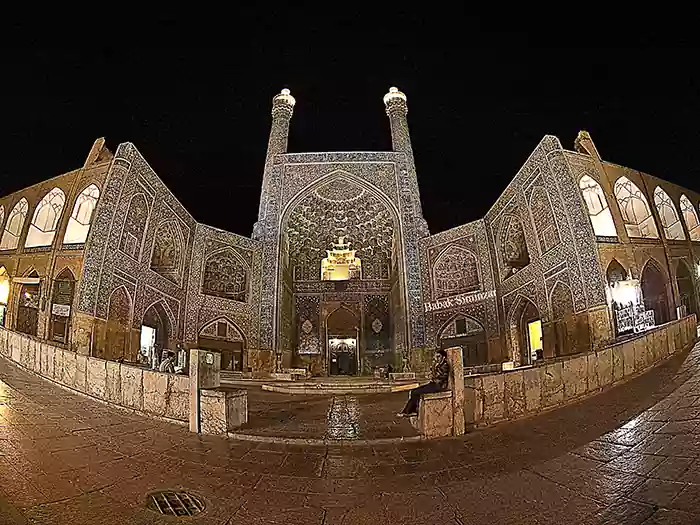
The exterior of Abbasi Mosque in Isfahan emerges from the darkness of night with remarkable visual presence and architectural grandeur. Brightly illuminated arches and entrance chambers stand in sharp contrast against the surrounding black sky, emphasizing the scale, symmetry, and monumental structure of the historic mosque. The interplay between darkness and light transforms the architecture into a quiet yet powerful nighttime scene filled with atmosphere and visual drama.
Architecture in the United Arab Emirates
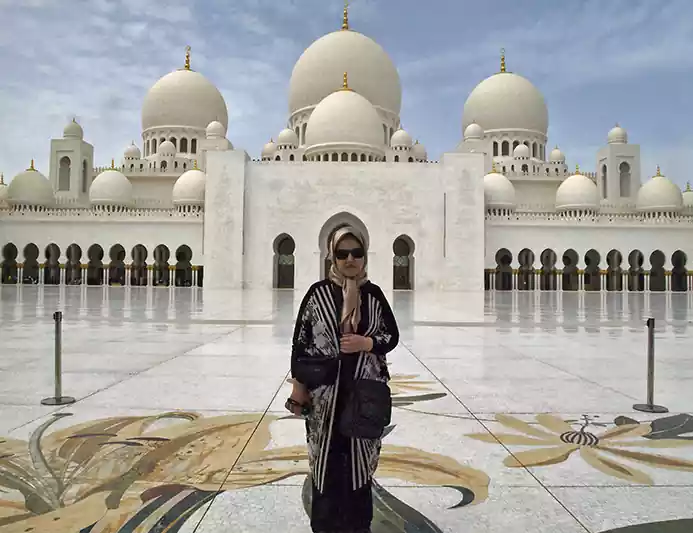
Sheikh Zayed Grand Mosque in Abu Dhabi combines traditional Islamic architectural forms with modern materials and large-scale design. White marble surfaces dominate the domes, courtyards, columns, and walls, creating a luminous architectural atmosphere throughout the structure. Strong symmetry defines the composition, from the central dome to the surrounding smaller domes and arcades. Decorative floral patterns across the courtyard floor add visual elegance and balance to the monumental architectural scene.

Using images for personal purposes is free, but you may not use the material for commercial purposes. The image attributes are required for any redistribution. Changing images or eliminating watermarks is not allowed. For more information, please look at the Images License.