

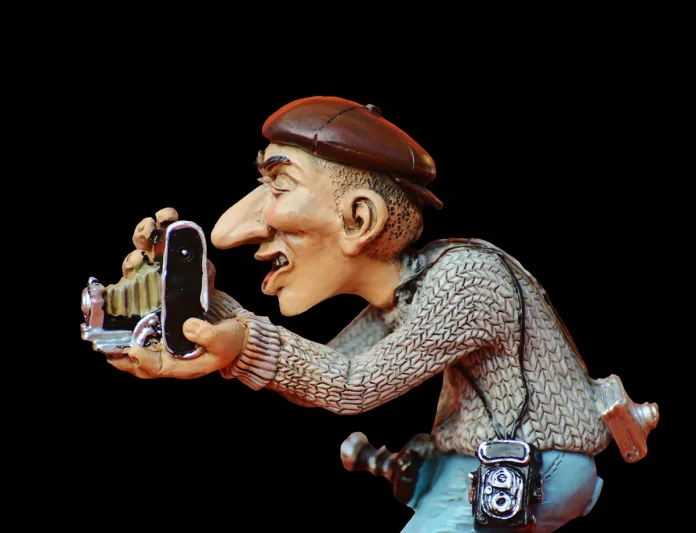
Fine art photography occupies a unique place within the visual arts because it combines technical skill with personal artistic expression. Unlike commercial or documentary photography, fine art photography is primarily driven by the photographer’s creative vision and emotional intent. Through composition, atmosphere, symbolism, and visual storytelling, fine art photographers create images that invite interpretation and emotional response. Over time, a number of influential photographers have helped redefine photography as an artistic medium through their distinctive styles and innovative approaches.
Topics
- Influential Fine Art Photographers
- Ansel Adams (1902–1984)
- Annie Leibovitz (1949–Present)
- Cindy Sherman (1954–Present)
- Richard Avedon (1923–2004)
- Diane Arbus (1923–1971)
- Andreas Gursky (b. 1955)
- Man Ray (1890–1976)
- Sebastião Salgado (b. 1944)
- Francesca Woodman (1958–1981)
- Hiroshi Sugimoto (1948–Present)
- Nan Goldin (1953–Present)
- Robert Mapplethorpe (1946–1989)
- Final Words
- Sources
Influential Fine Art Photographers
Ansel Adams (1902–1984)
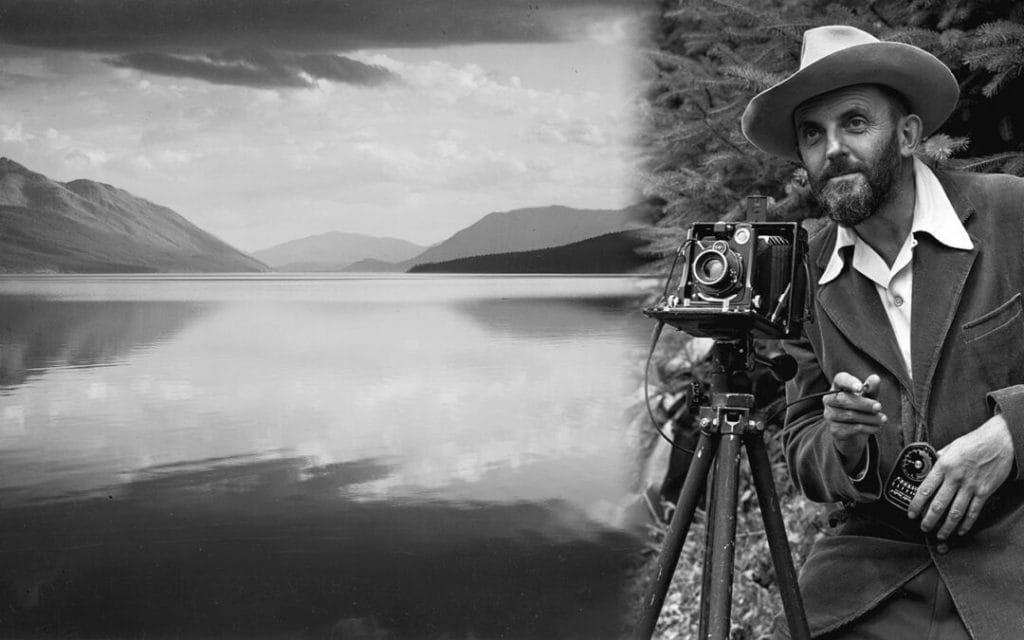
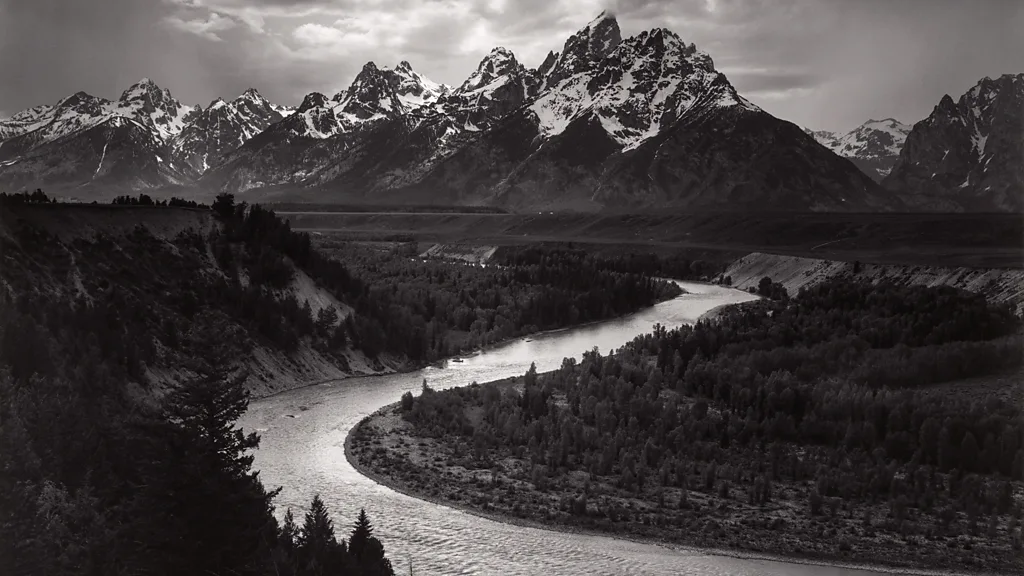
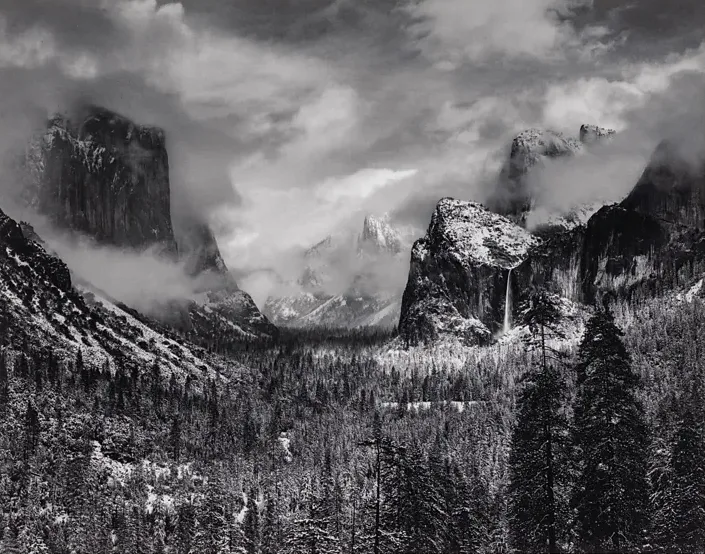
Known for his dramatic black-and-white landscapes of the American West, Ansel Adams became one of the most influential figures in landscape photography. His Zone System, developed to control exposure and tonal range, helped produce images with exceptional detail and contrast, especially in photographs of Yosemite National Park. Works such as Moonrise, Hernandez, New Mexico (1941) transformed landscape photography into a powerful artistic and emotional experience while also supporting environmental conservation efforts.
The work of influential photographers often introduces new ways of seeing composition, light, atmosphere, and visual storytelling, helping other photographers expand their own creative approaches.
Annie Leibovitz (1949–Present)
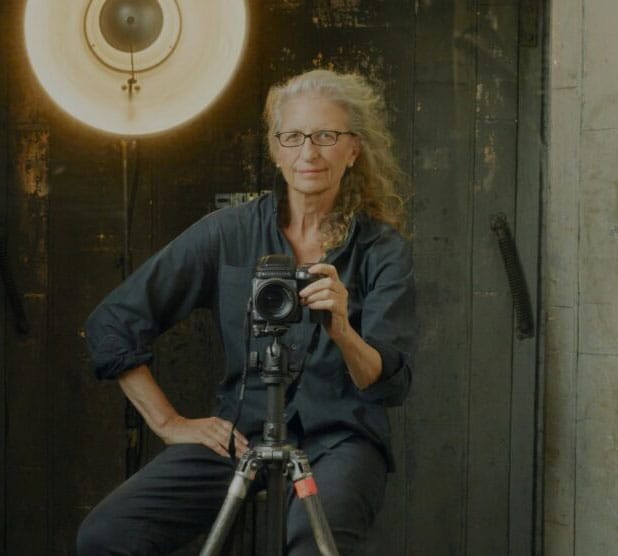
Annie Leibovitz is internationally known for her highly stylized and emotionally expressive portrait photography. Her work combines elements of fine art, celebrity portraiture, and editorial storytelling. One of her most iconic images is the portrait of John Lennon and Yoko Ono created for Rolling Stone magazine shortly before Lennon’s death in 1980. Through dramatic lighting, careful staging, and psychological presence, Leibovitz became one of the most recognizable portrait photographers of the modern era.
Cindy Sherman (1954–Present)
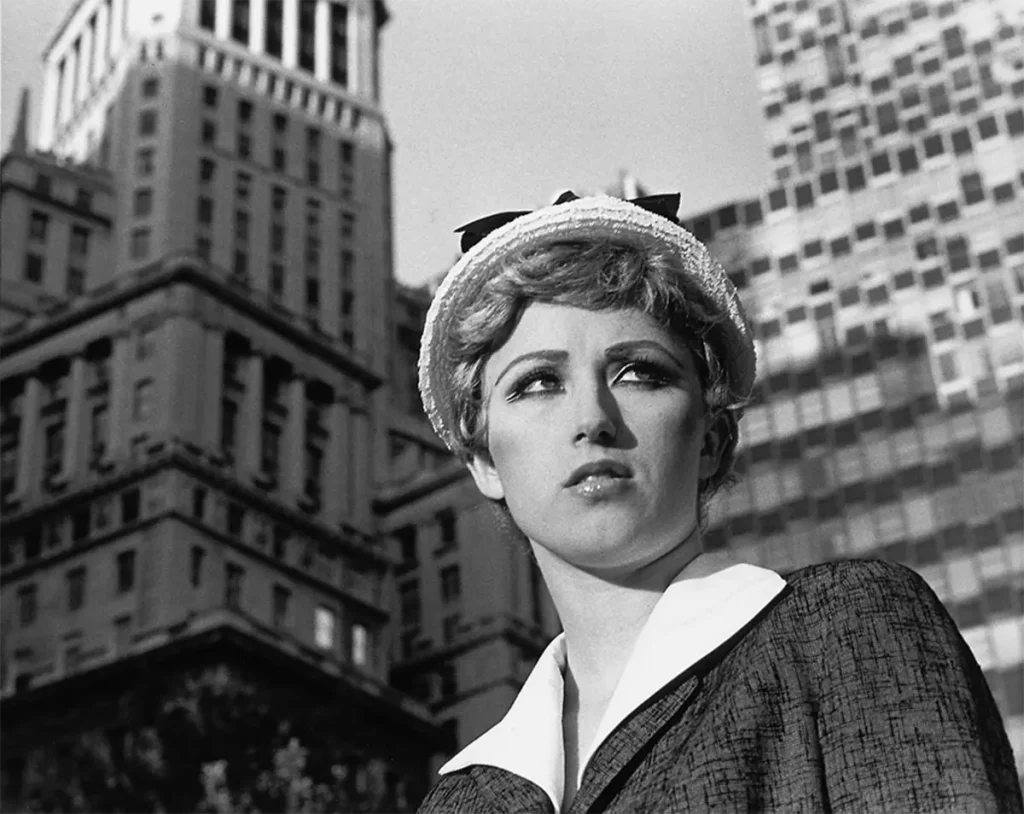
Using costumes, makeup, staging, and self-portraiture, Cindy Sherman challenged ideas about identity, gender roles, and media representation. Her Untitled Film Stills series blurred the boundary between fiction and reality by recreating cinematic scenes inspired by Hollywood stereotypes.
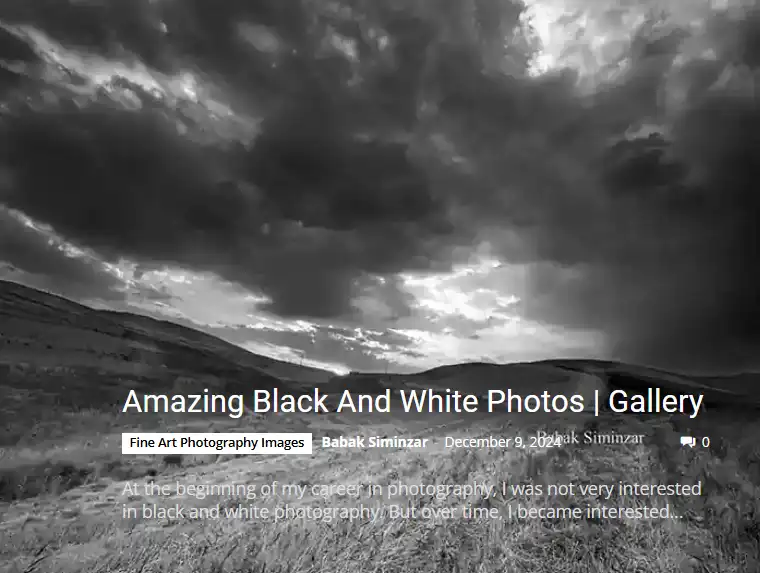
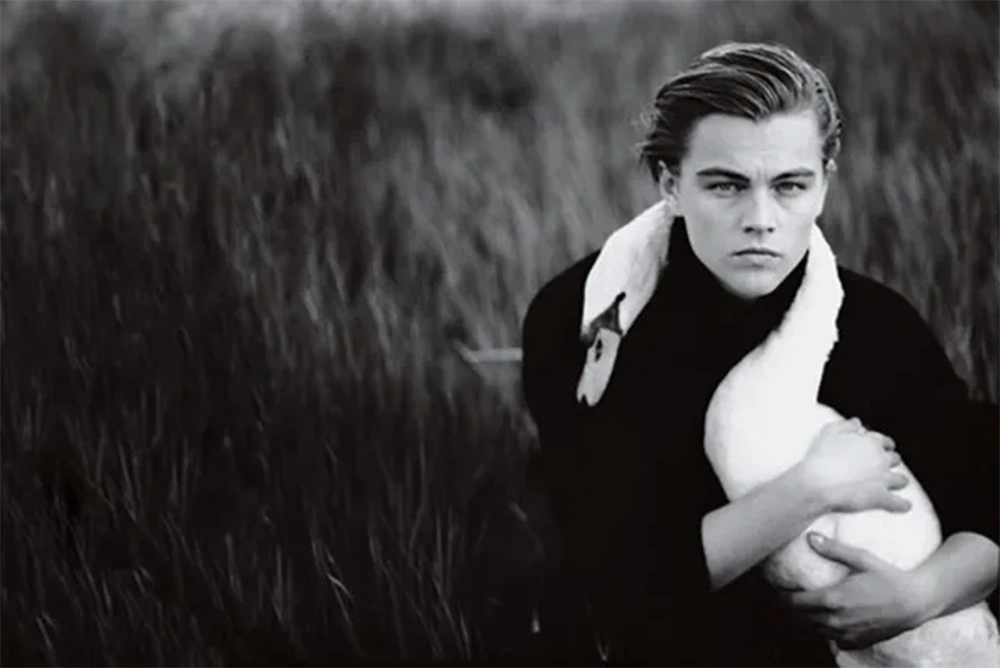
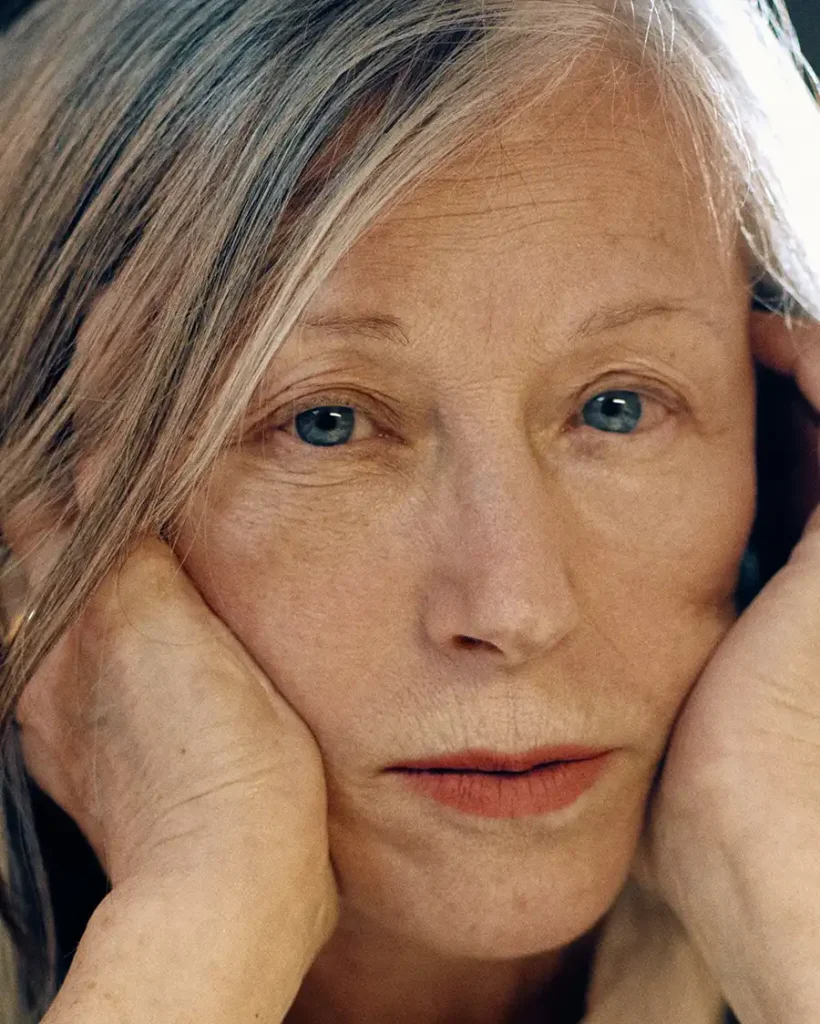
A selection of high quality black and white images that focus on light, contrast, and structure.
→ View the full gallery
Richard Avedon (1923–2004)
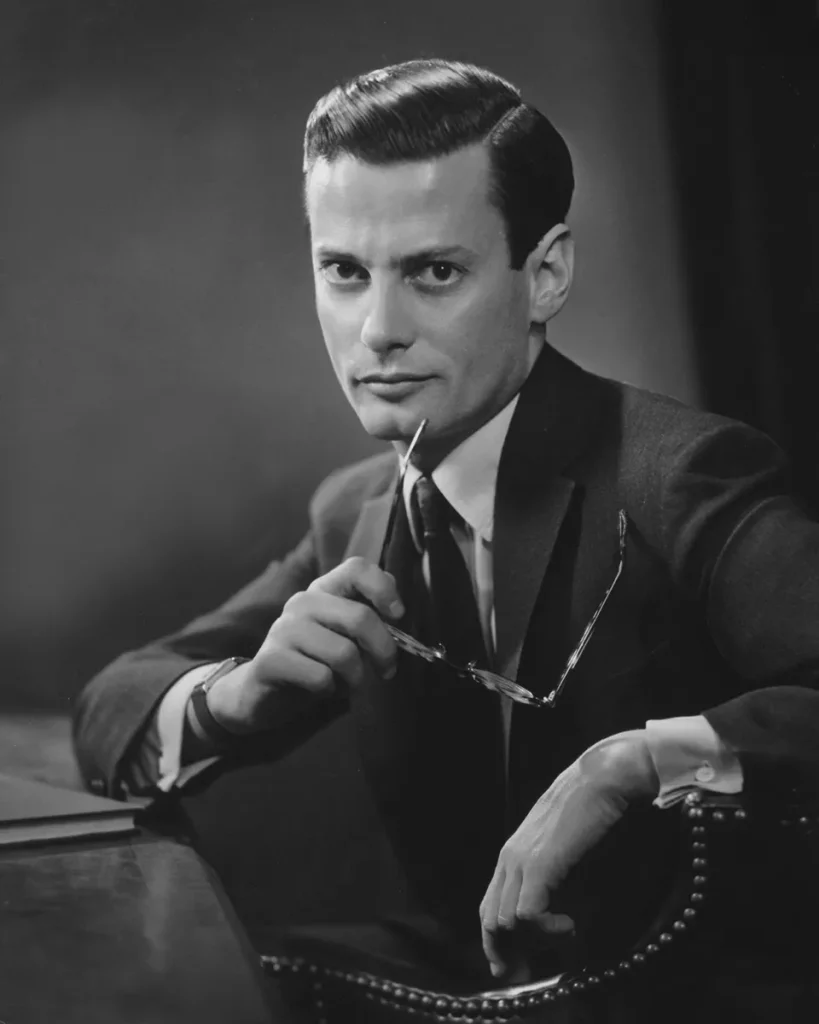
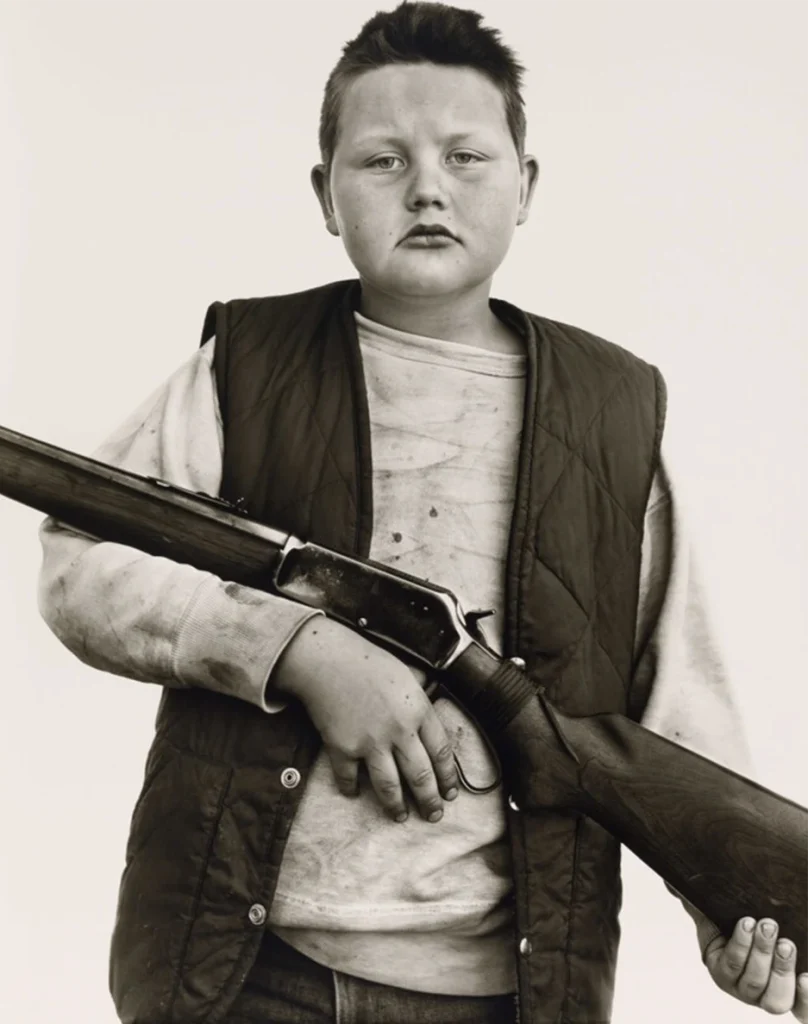
Although Richard Avedon began his career in fashion photography, he became especially known for his minimalist portrait style. By photographing subjects against plain white backgrounds, he emphasized facial expression, gesture, and psychological presence rather than decorative surroundings.
Diane Arbus (1923–1971)
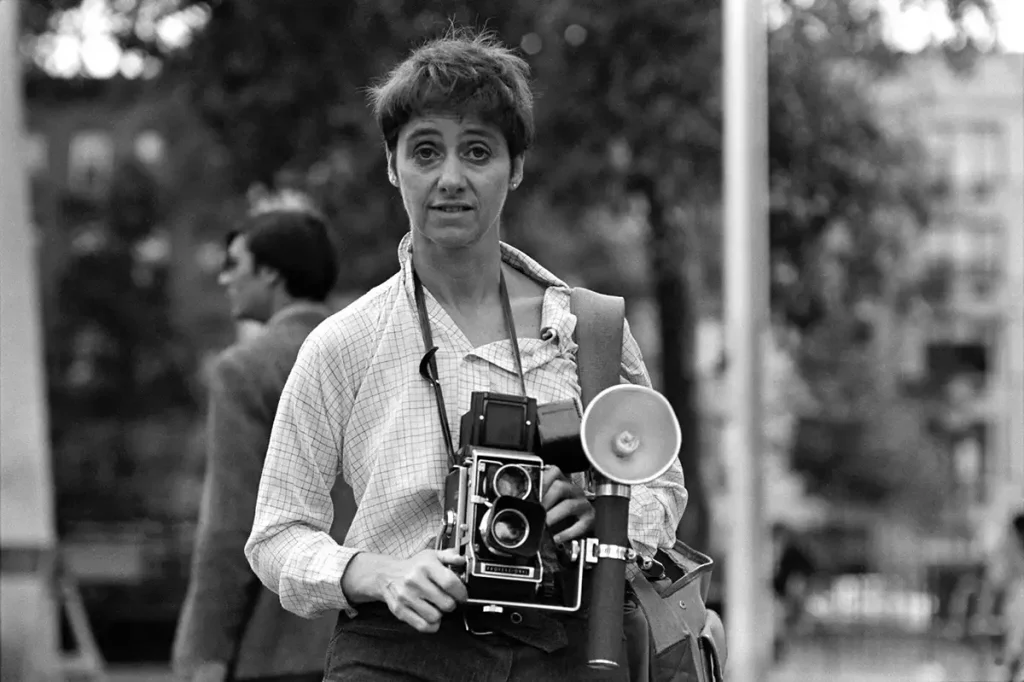
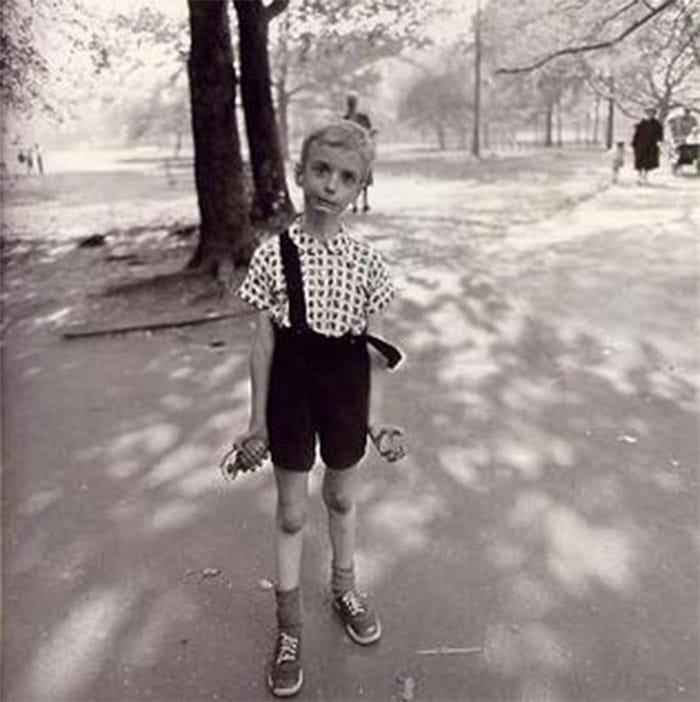
Diane Arbus became known for photographing individuals and communities often overlooked or marginalized by mainstream society. Her direct and emotionally intense portraits challenged traditional ideas of beauty, identity, and normality in mid-century America.
Andreas Gursky (b. 1955)
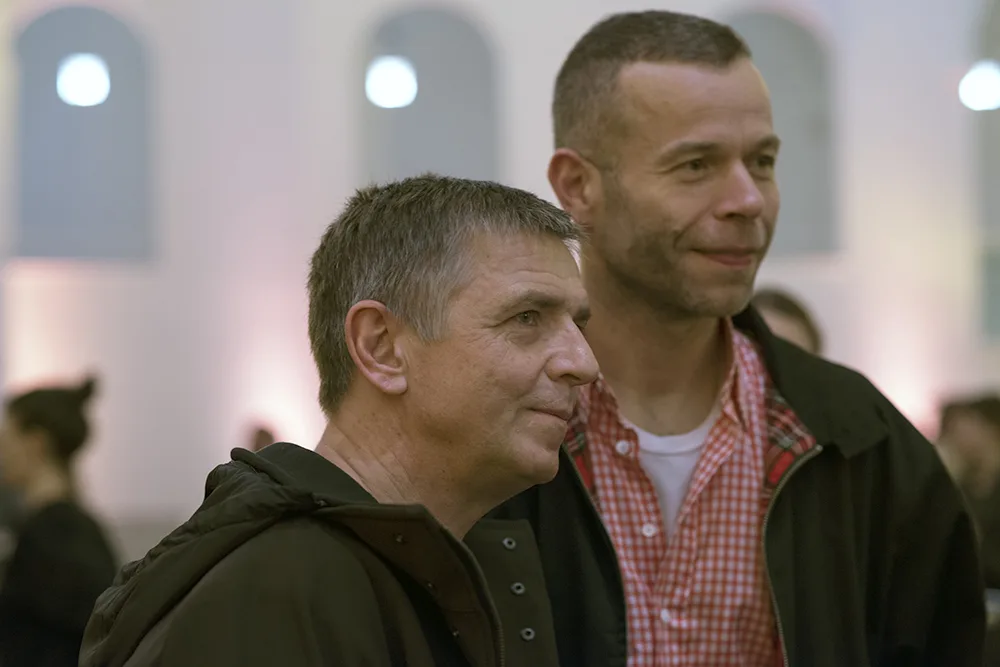
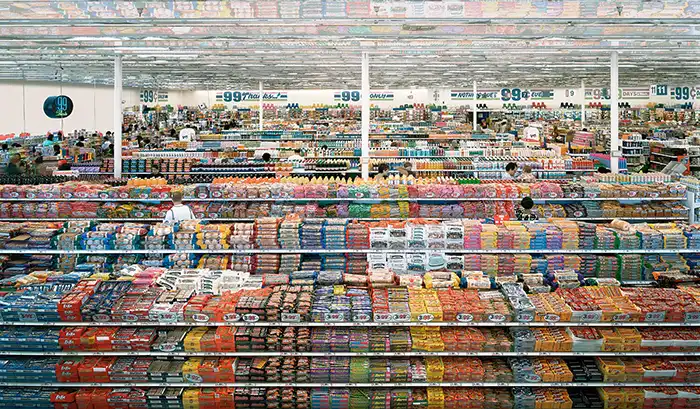
Andreas Gursky is recognized for his large-scale photographs depicting modern architecture, consumer culture, and urban systems. His carefully composed images often explore themes of globalization, repetition, and the overwhelming scale of contemporary life.
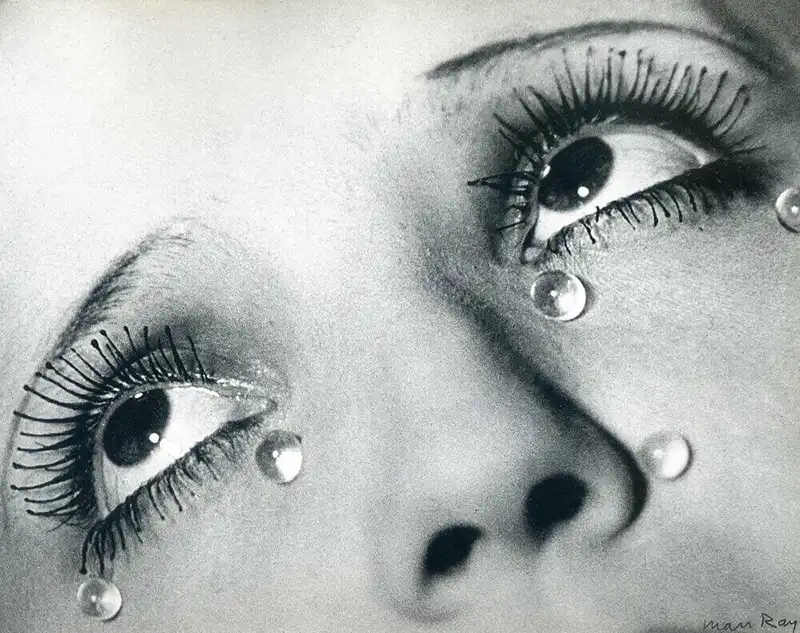
Man Ray (1890–1976)
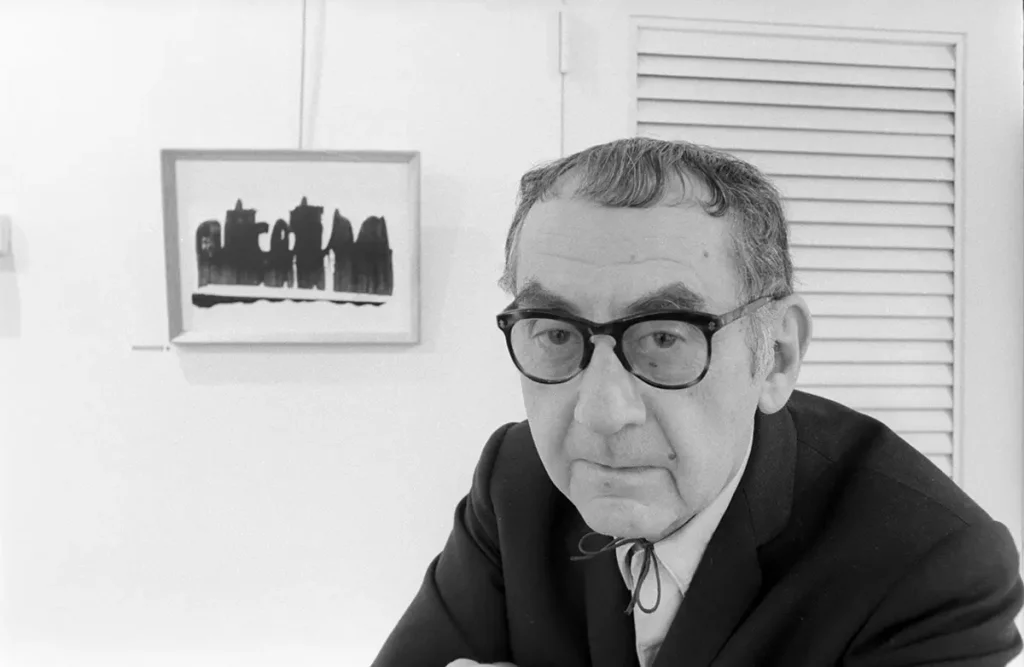
Associated with both the Dada and Surrealist movements, Man Ray experimented with unconventional photographic techniques that expanded the artistic possibilities of photography. His “rayographs,” created without using a camera, became influential examples of abstract photographic art.
Sebastião Salgado (b. 1944)
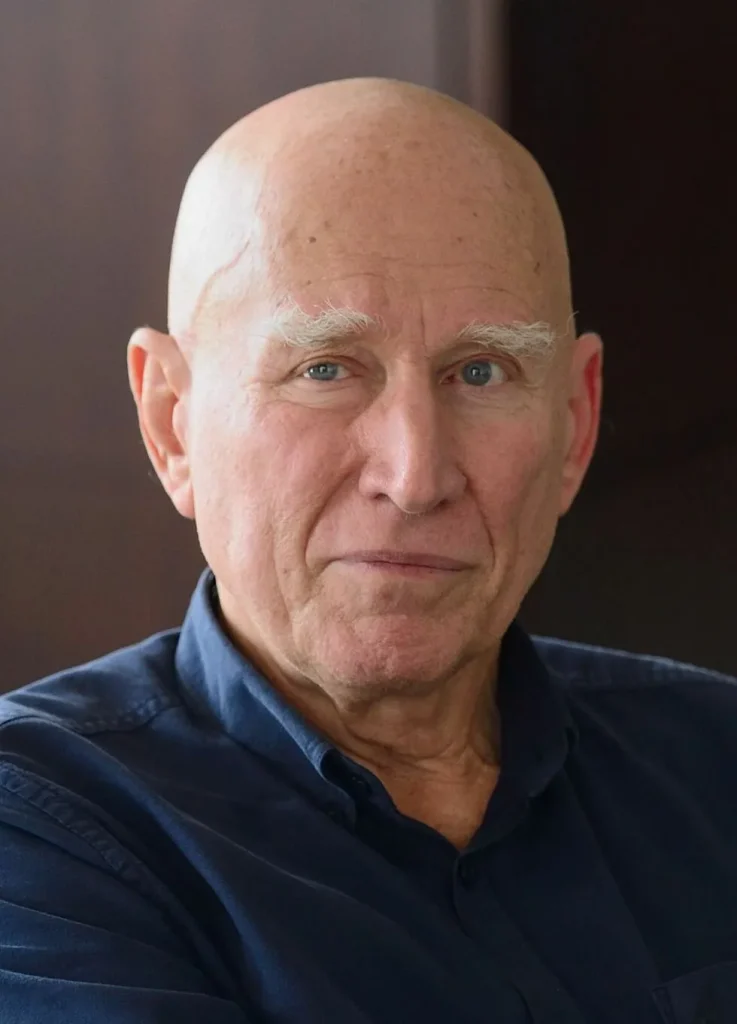
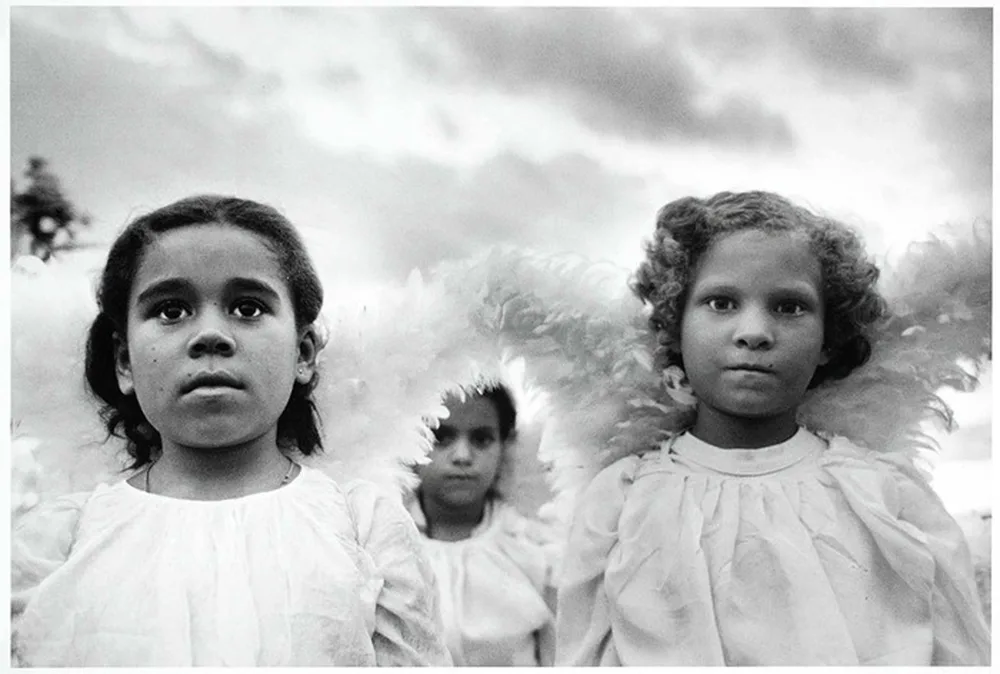
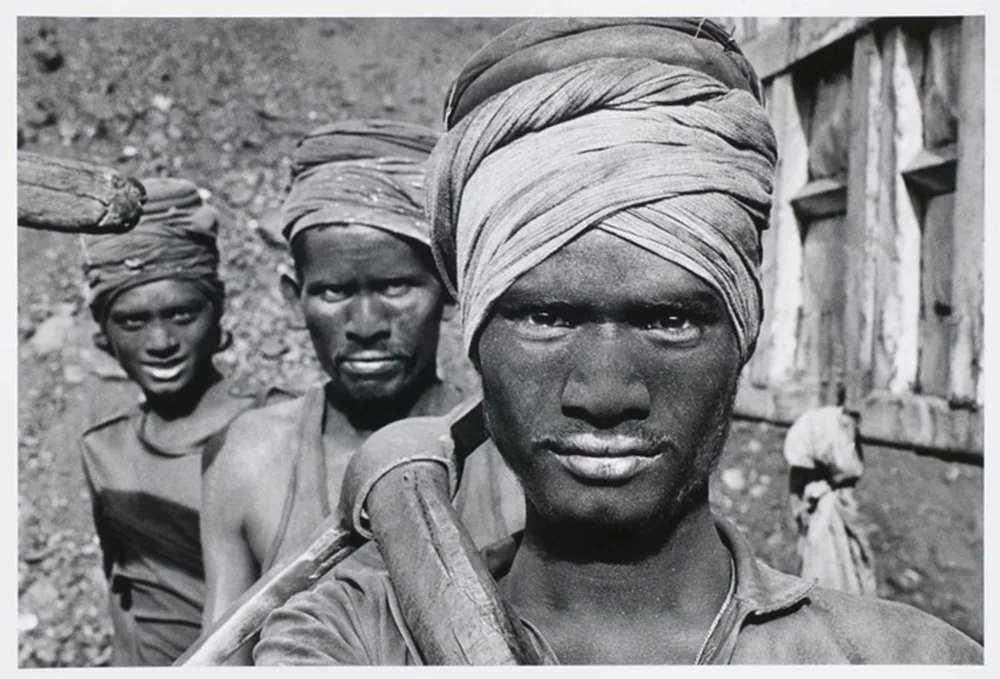
Sebastião Salgado is widely recognized for his powerful black-and-white documentary photography focused on labor, migration, poverty, and environmental issues. His photographs combine strong visual composition with deep human empathy and social awareness.
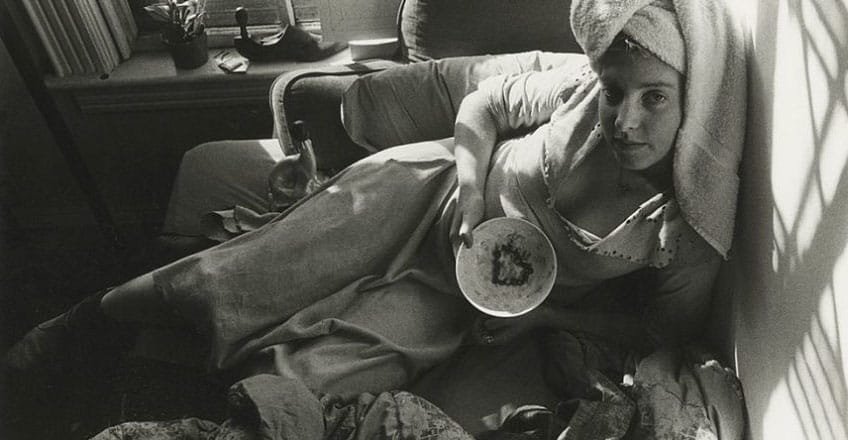
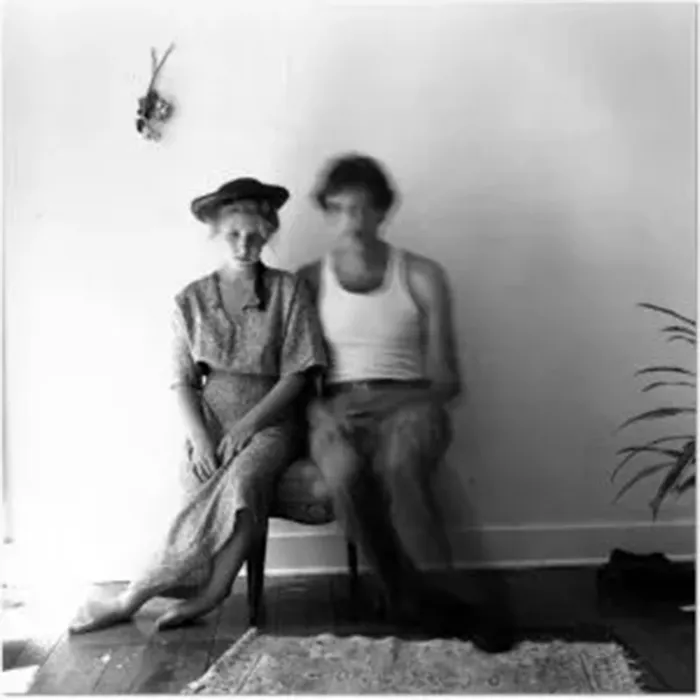
Francesca Woodman (1958–1981)
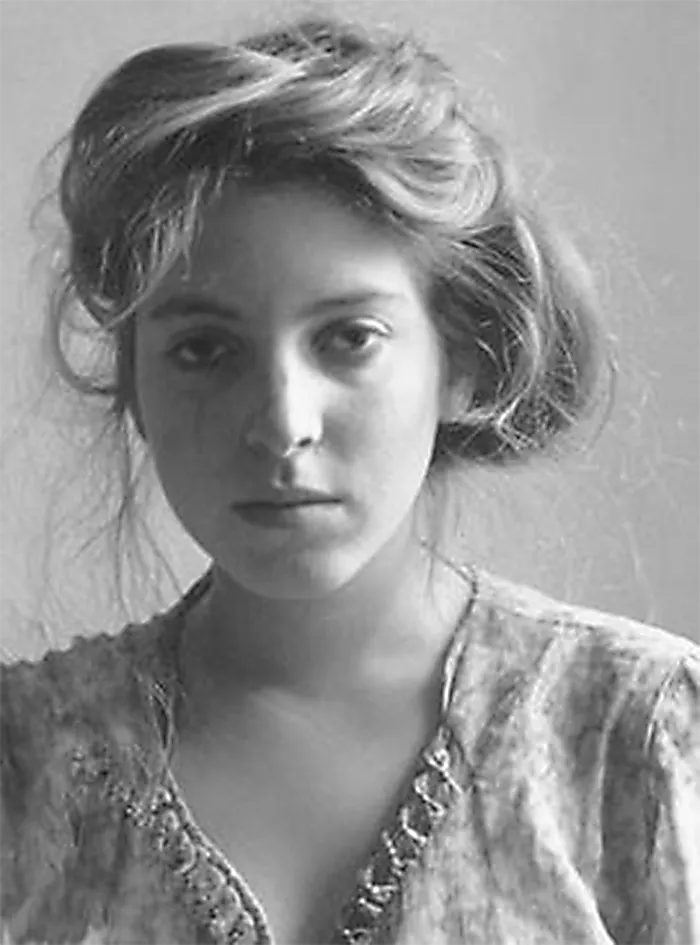
Despite her short career, Francesca Woodman created deeply personal and emotionally complex self-portraits exploring themes of identity, fragility, and impermanence. Her use of motion blur, abandoned interiors, and long exposures created dreamlike and haunting visual atmospheres.
Hiroshi Sugimoto (1948–Present)
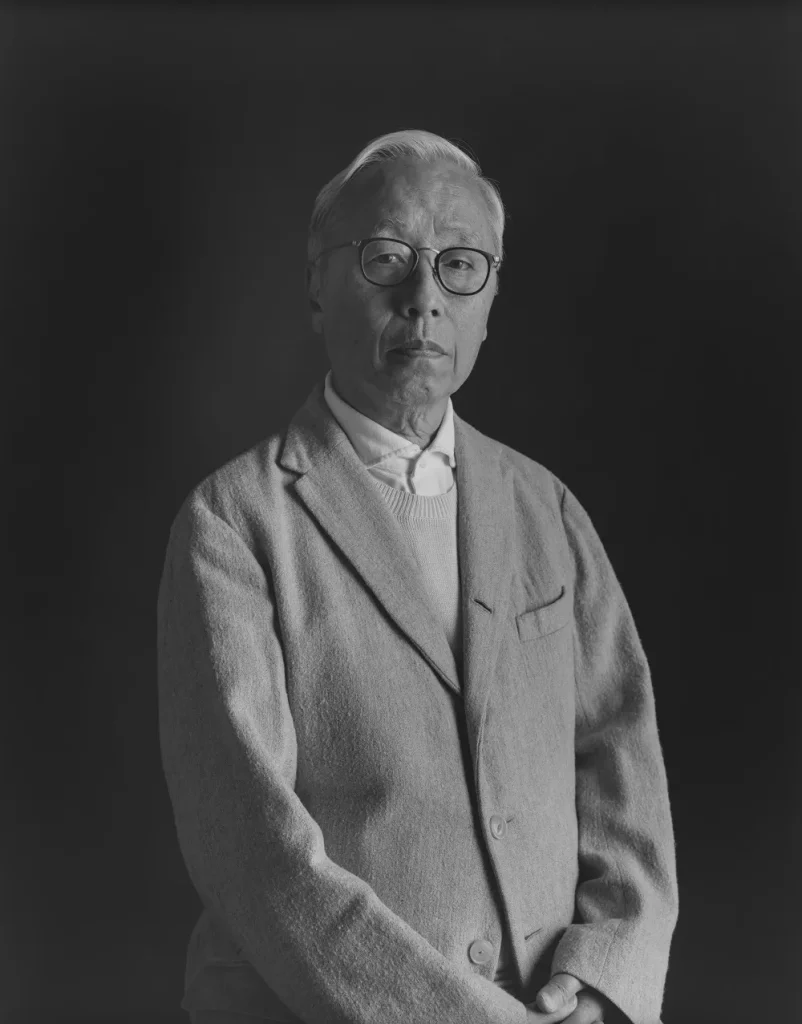
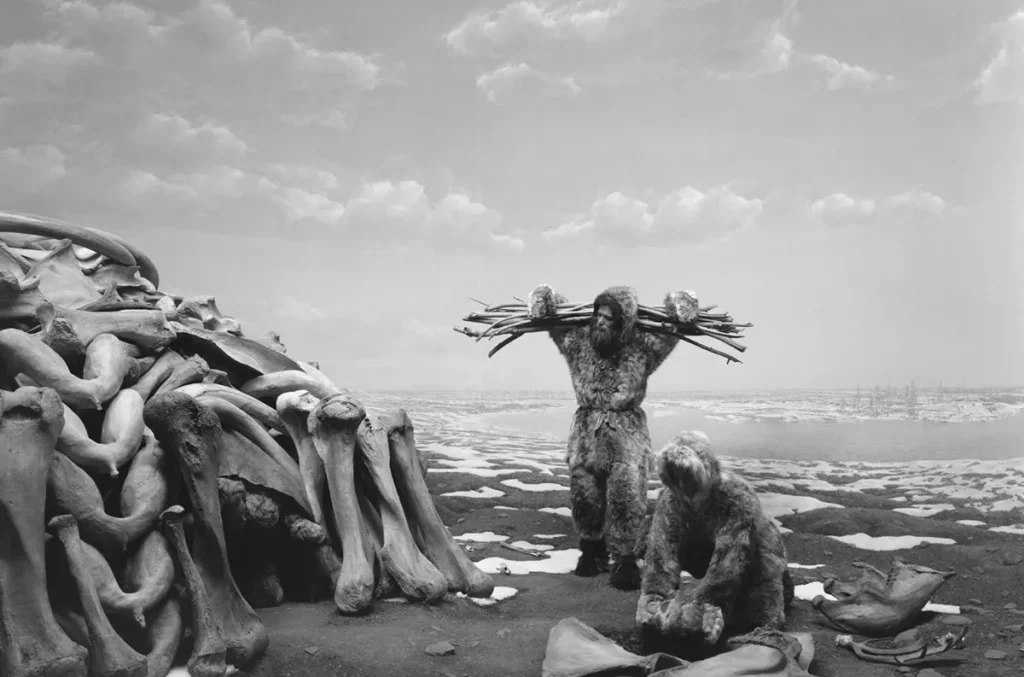
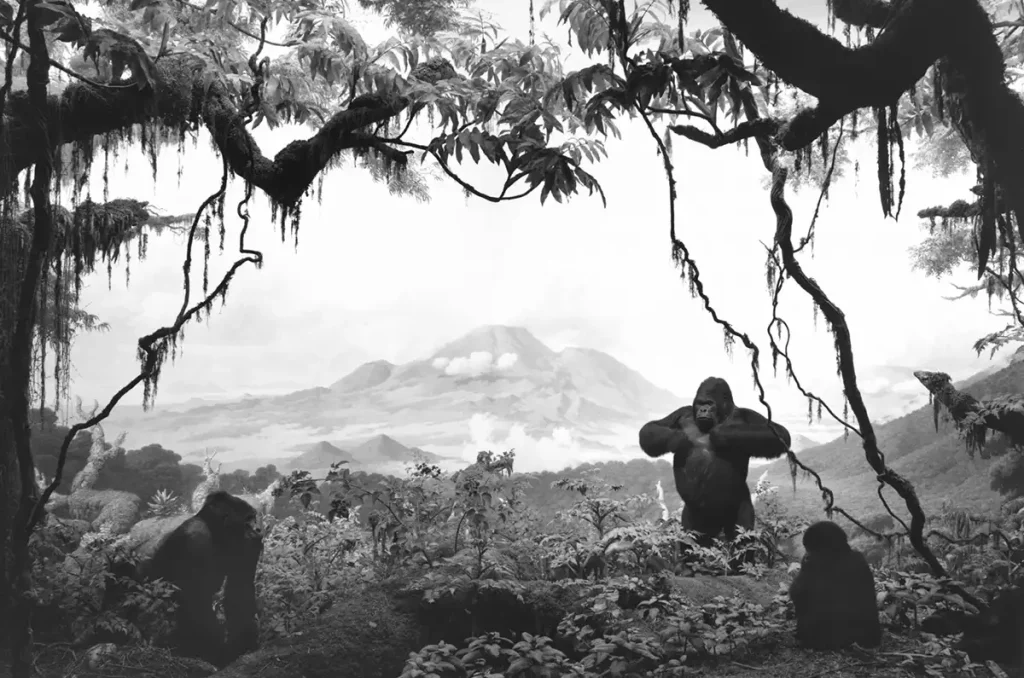
Hiroshi Sugimoto’s minimalist and contemplative photography explores themes of time, memory, and perception. His long-exposure theater photographs and monochrome seascapes reduce complex scenes into calm and philosophical visual studies.
Nan Goldin (1953–Present)
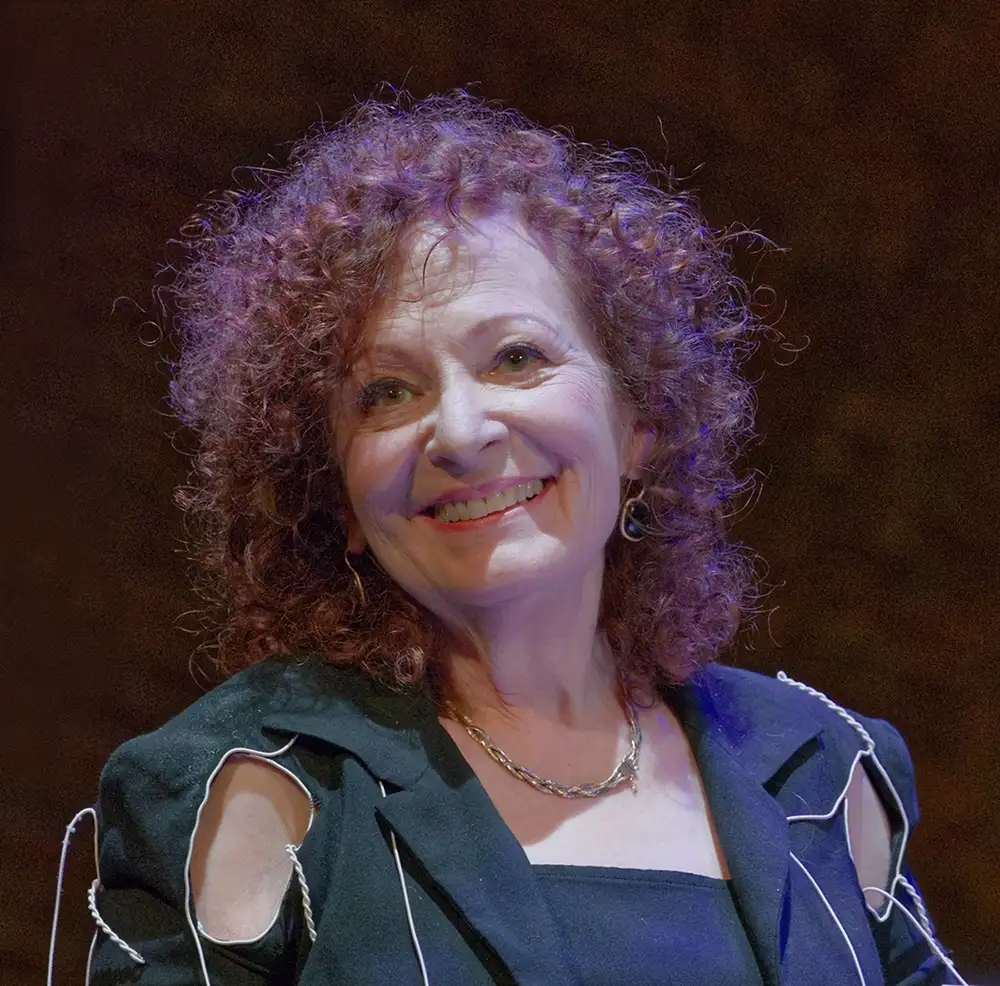
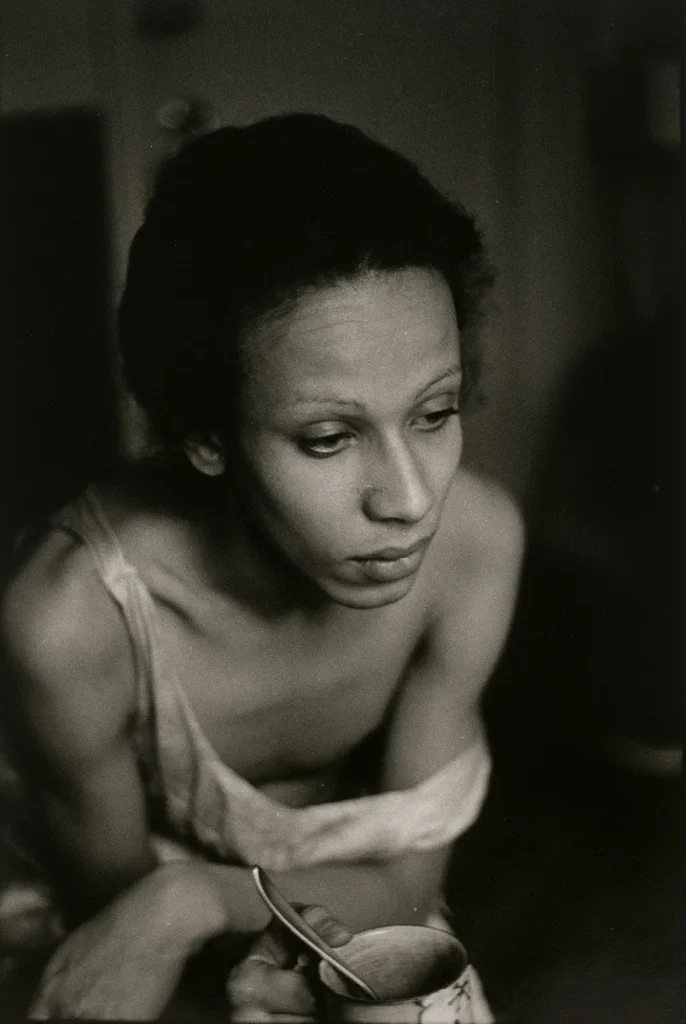
Nan Goldin’s unvarnished, personal images capture intimate moments of vulnerability, love, and hardship in her life and the lives of people around her. The Ballad of Sexual Dependency (1986), her groundbreaking work, is a slideshow-turned-book of unguarded photographs that examines addiction, relationships, and the New York counterculture of the 1980s. Generations of artists have been influenced by Goldin’s pioneering work in autobiographical photography, which is characterized by vivid colors and emotional honesty.
Robert Mapplethorpe (1946–1989)
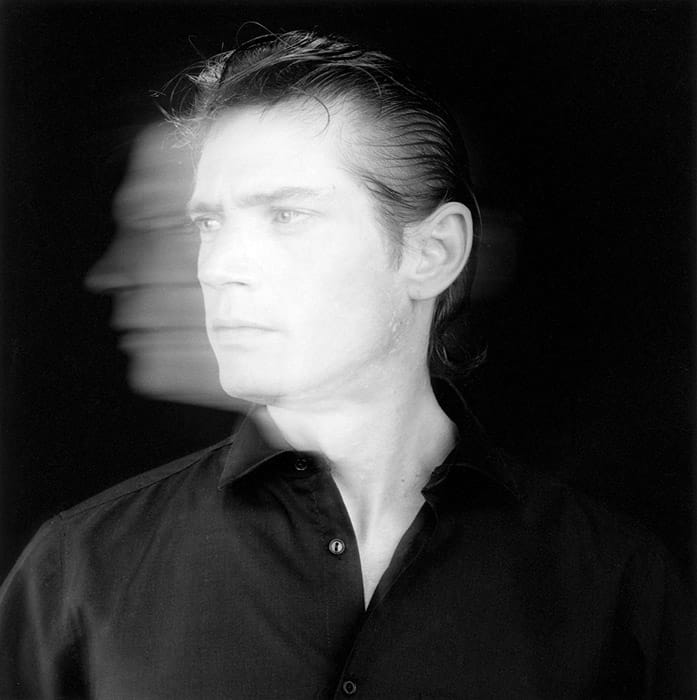
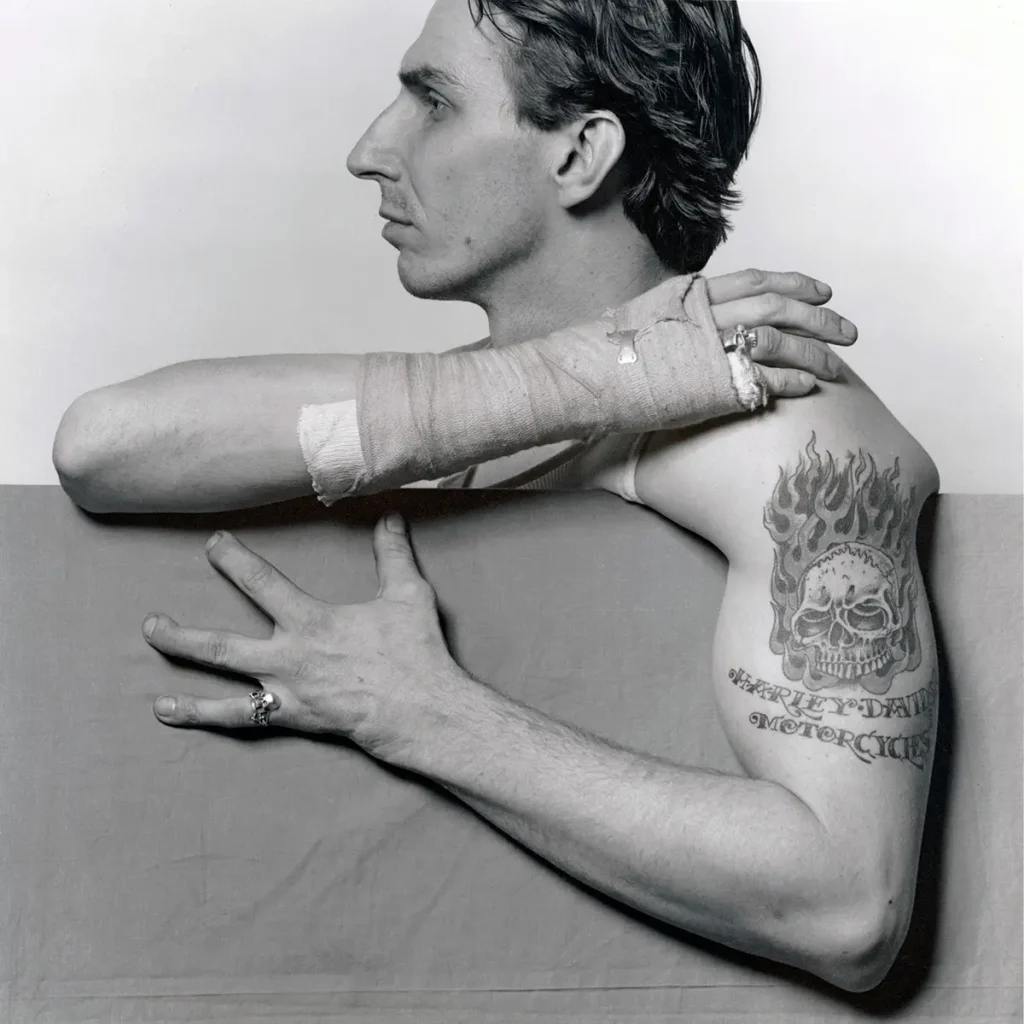
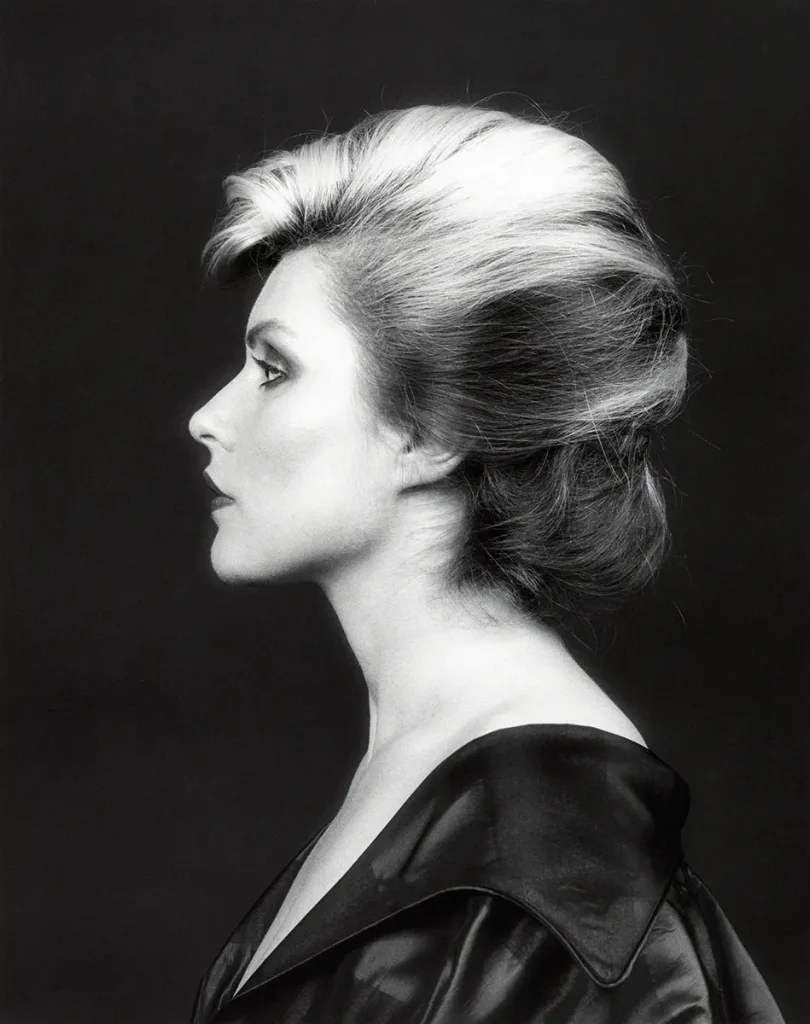
Robert Mapplethorpe’s photos are thought-provoking and carefully put together. They look at beauty, sexuality, and form. Classical composition is what Mapplethorpe is known for, and his work includes everything from beautiful flower studies to bold pictures and naked people. His controversial 1978 work, X Portfolio, started arguments about art and censorship. However, his technical brilliance and willingness to bravely photograph taboo topics cemented his place as a great figure in the history of fine art photography.
| Photographer | Genres | Notable works |
|---|---|---|
| Ansel Adams | Landscape Photography | Moonrise, Hernandez, New Mexico; Clearing Winter Storm |
| Cindy Sherman | Conceptual Portraiture | Untitled Film Stills |
| Richard Avedon | Portraiture, Fashion | In the American West series |
| Diane Arbus | Street/Portrait Photography | Child with Toy Hand Grenade in Central Park |
| Andreas Gursky | Large-Scale Photography | 99 Cent, Rhein II |
| Man Ray | Surrealism, Experimental | Le Violon d’Ingres, Rayographs |
| Sebastião Salgado | Documentary / Fine Art | Workers, Genesis |
| Francesca Woodman | Surreal / Self-Portraiture | Untitled images from House series |
| Annie Leibovitz | Portrait Photography Celebrity Photography Editorial/Fashion | Rolling Stone cover of John Lennon and Yoko Ono (1980) – taken hours before Lennon’s death |
| Hiroshi Sugimoto | Conceptual Photography Minimalism Landscape and Architectural Photography | Seascapes – long-exposure images of oceans and horizons around the world |
| Nan Goldin | Documentary Photography Intimate Portraiture | The Ballad of Sexual Dependency (1986) – slideshow and photobook |
| Robert Mapplethorpe | Fine Art Photography Portraiture Still Life | Floral still lifes – stylized and symbolic images of flowers |
Final Words
These famous fine art photographers have transformed fine art photography into a potent storytelling and expressive medium with their own visions and innovative techniques. Their work, which ranges from Sherman’s transformational self-portraits to Adams’ epic landscapes, never stops inspiring and challenging ideas about what photography is capable of. These luminaries are a source of inspiration for aspiring photographers and art lovers alike, who may marvel at how they transformed light and lens into classic works of art.
