

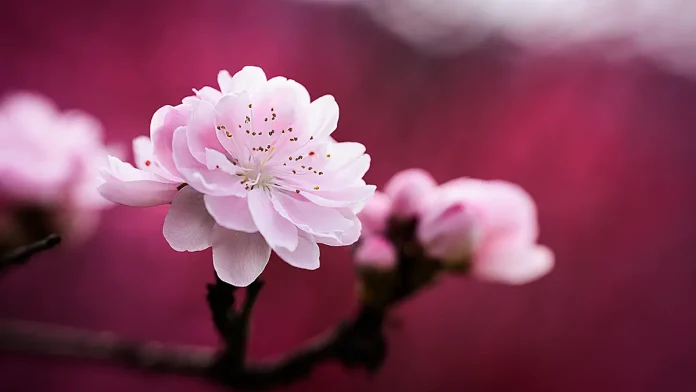
Flower photography is popular because flowers offer endless variety in color, texture, shape, and atmosphere. From simple garden flowers to detailed macro close-ups, there are many creative ways to photograph them. Whether you are a beginner or an experienced photographer, exploring different flower photography ideas can help you create more expressive and visually engaging images.
Flower photography is also one of the most accessible types of photography to practice. Flowers can be photographed at home, in parks, botanical gardens, or even small outdoor spaces, making them ideal subjects for both creative experimentation and technical learning.
This guide includes practical techniques, creative ideas, and composition tips to help photographers capture more artistic, visually appealing flower photographs.
Topics
Why Flower Photography?
Because flowers contain natural patterns, delicate textures, and layered details, they are excellent subjects for experimenting with depth of field, lighting, framing, and color harmony. Flower photographs are also widely used in art prints, stock photography, blogs, and social media.
Flower photography also encourages photographers to slow down, observe details carefully, and connect more closely with natural forms and seasonal changes.
If you enjoy the quieter side of floral imagery, explore our guide to Moody Flower Photography, where soft light, muted tones, and subtle compositions create a calm and atmospheric style
Equipment for Flower Photography
Make sure you have the following before you start looking at flower photography ideas:
1_ For complete control over focus and aperture, use a DSLR or mirrorless camera.
2_ To catch minute details, use a macro lens.
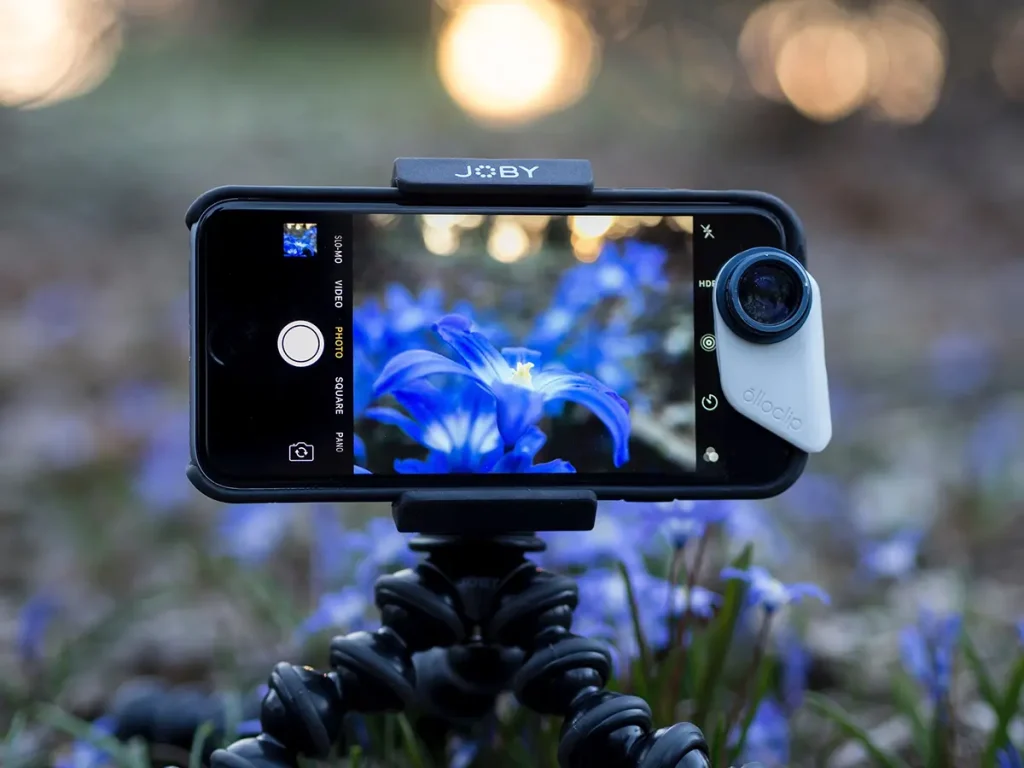
3_ Tripod: For steadiness in dimly lit areas
4_ For managing lighting, use a reflector or diffuser. A smartphone with macro mode is ideal for taking fast, on-the-go photos.
Camera settings for beautiful flower photos
Let’s go over the technical basics before getting into the creative concepts. To get clear, colorful photos, you must adjust your camera’s settings.
Aperture (f-stop)
This is the most crucial spot for your flower shooting. A shallow depth of field produced by a wide aperture (low f-number, such as f/2.8 or f/4) can blur the backdrop and highlight your flower. It’s perfect for close-ups. A narrower aperture (higher f-number, such as f/8 to f/16) is a preferable option for focusing on a bouquet or a cluster of flowers.
Shutter Speed
Flowers are vulnerable to wind and might be fragile. Your best bet for preventing motion blur is a fast shutter speed (1/200th of a second or faster). You can use a slower shutter speed if the blossom is motionless and you’re using a tripod.
ISO
For the best image quality and to reduce digital noise, keep your ISO as low as possible (ISO 100–200). In poor light, only increase it if required.
Creative flower photography ideas
This is where flower photography becomes more experimental and visually creative. By changing lighting, perspective, focus, or composition, even ordinary flowers can produce unique and artistic images.
Photographers looking for more atmospheric and visually expressive floral compositions can also explore different artistic flower photography ideas using blur, reflections, soft light, and abstract floral details
Give Careful Consideration to Every Detail by using Macro Flower photography
Macro flower photography focuses on revealing small details often overlooked, such as pollen, petal textures, water droplets, and delicate color transitions. A dedicated macro lens can capture details that are difficult to notice with the naked eye.
Focus Stacking
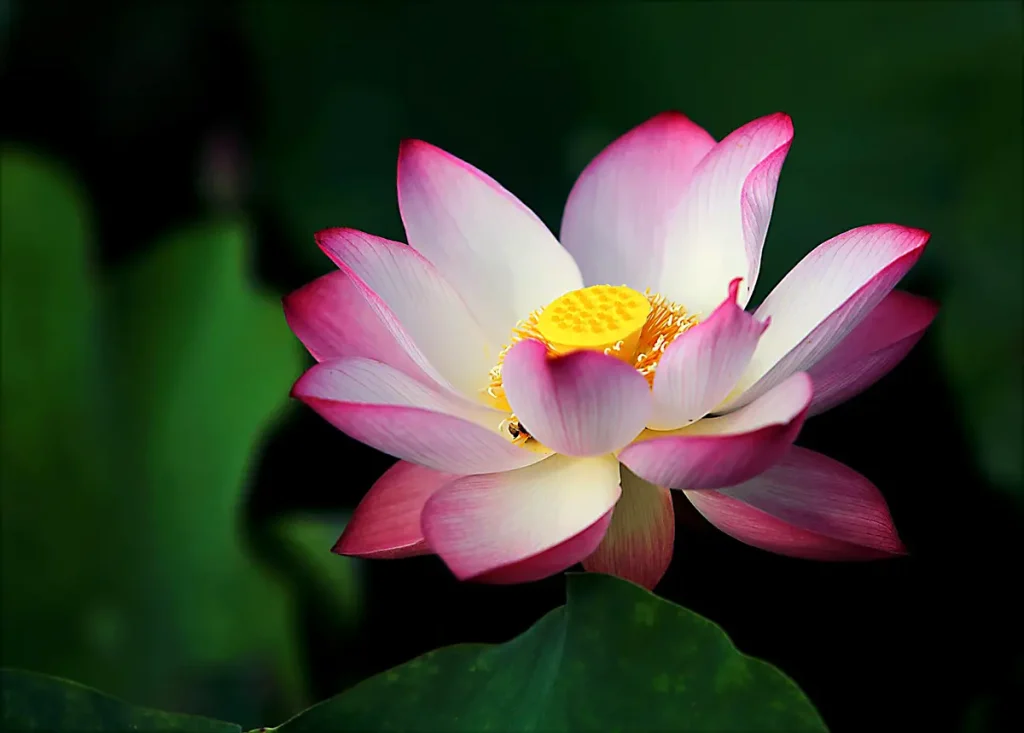
Try focus stacking if you want every detail of the bloom to be in crisp focus, even at high magnification. This method entails taking several pictures with various focal points, then combining them in post-production.
Using Textures
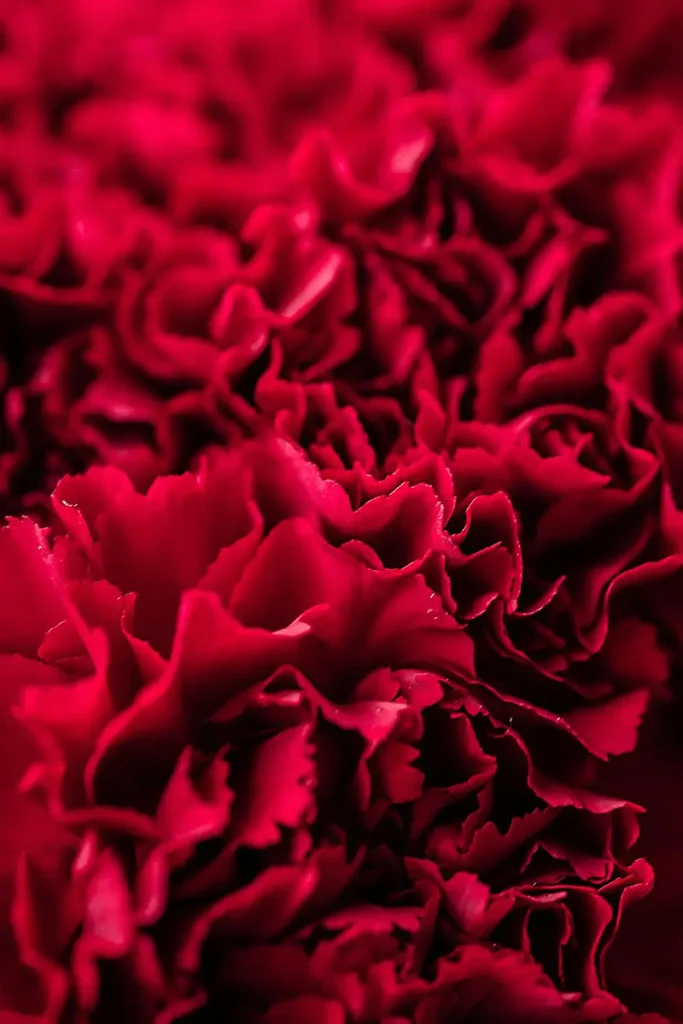
Highlighting the distinctive textures of petals, the complex patterns of stamen, or even small water drops is ideal for macro photography.
Perfect flowers are not always the most interesting subjects. Wilted petals, damaged leaves, or aging flowers can sometimes create stronger textures, unusual shapes, and a more emotional visual atmosphere.
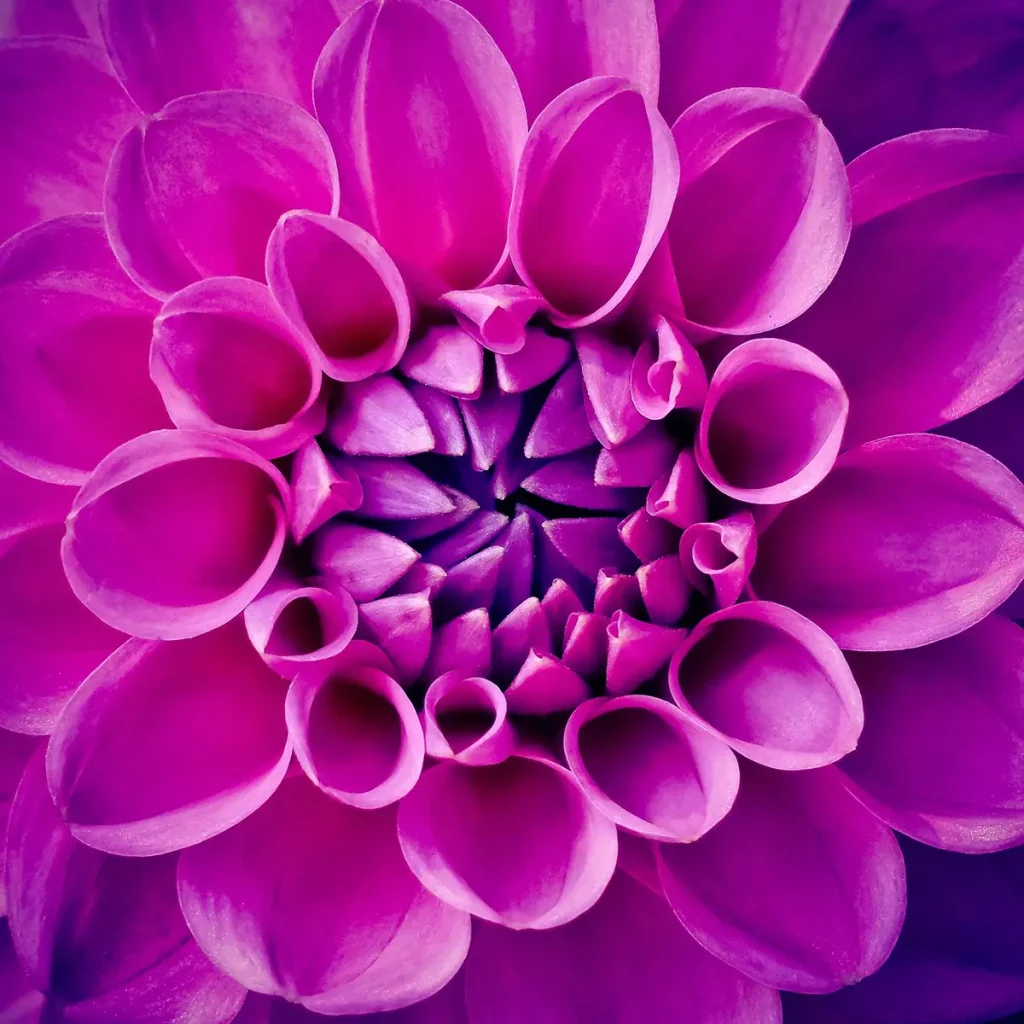
Discover the Magic of Light
A basic flower can be transformed into a work of art with the proper lighting.
Among the many ways of interpreting flowers, shadows offer a quieter visual language. Explore how light and darkness work together in Flowers in Shadow.
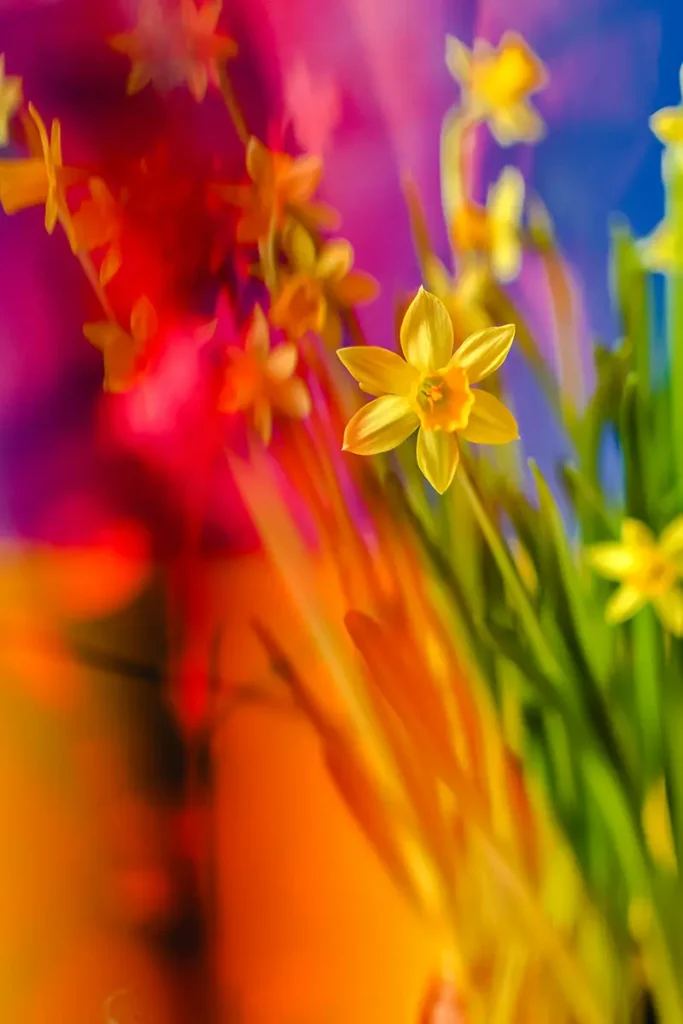
Golden Hour
Shortly after sunrise or before sunset, the golden hour creates soft, warm lighting that gives flower photographs a calm and atmospheric appearance.
Flowers can be interpreted through many different visual qualities, from light and shadow to color, space, and tonal subtlety. For a closer look at how softness can shape the way flowers are perceived, explore Finding Softness in Flower Photography.
Backlight
Placing the light source behind the flower can create glowing petals and soft outlines around the subject. Backlighting is especially effective for translucent flowers and close-up floral photography.
Light can change the way a flower is perceived, revealing some forms while concealing others and shaping the mood and structure of the photograph. To explore this relationship more closely, read Seeing Flowers Through Light.
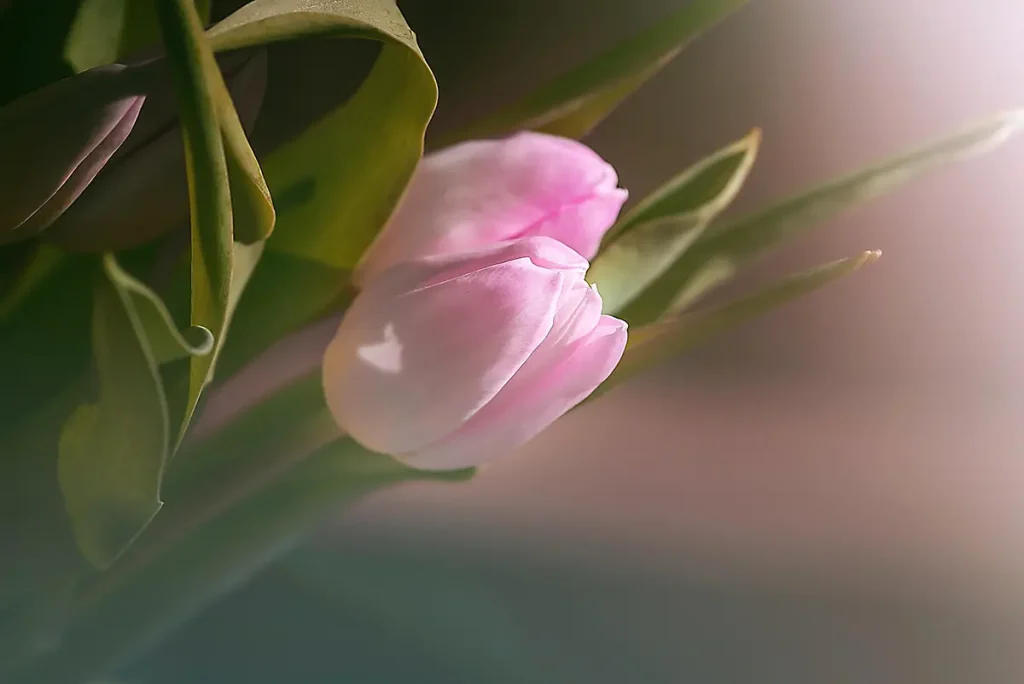
Overcast Days
Cloudy weather creates soft and even lighting conditions that reduce harsh shadows and strong highlights. This natural diffused light is often ideal for detailed flower photography.
Perspective & Composition
Composition and perspective can dramatically influence the visual impact of flower photography. Instead of photographing flowers only from eye level, try lower angles, side views, or overhead compositions to reveal different shapes, patterns, and spatial relationships.
Rule of Thirds
For a more dynamic and captivating composition, arrange your flower or a significant portion of it along the grid lines or where they meet.
Leading Lines in Flower Images
Curved stems, flower petals, and natural plant lines can guide the viewer’s eyes through the image and create smoother visual movement within the composition.
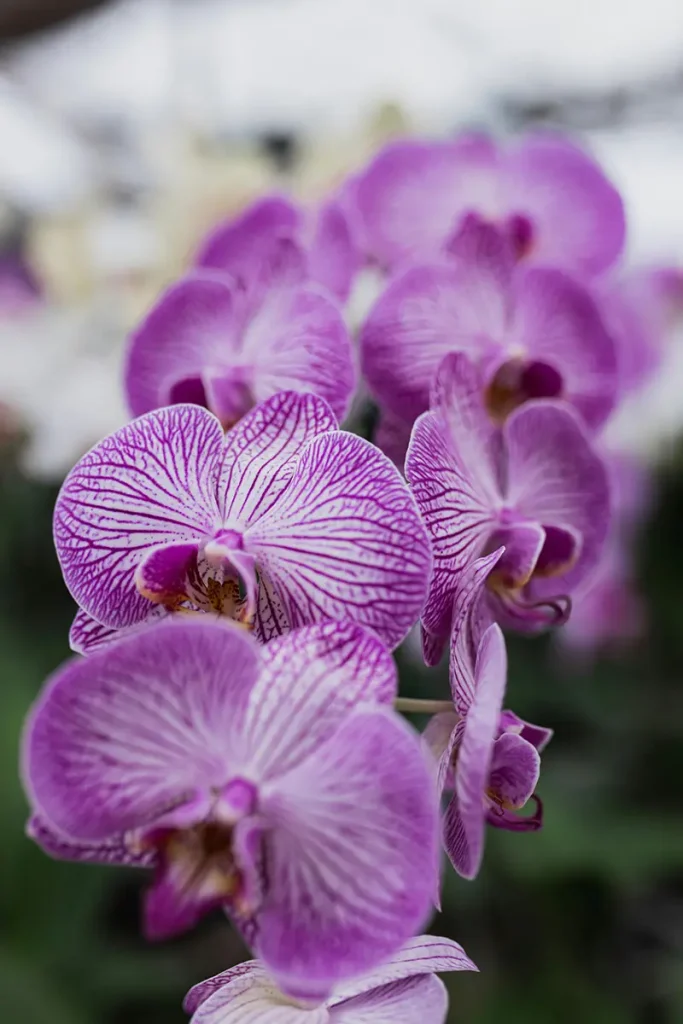
Shoot Through Flowers
Photographing through nearby flowers or leaves can create soft foreground blur and add more depth, atmosphere, and layering to the composition.
Creative Flower Photography Techniques
These simple techniques can add more creativity, atmosphere, and visual variety to flower photography.
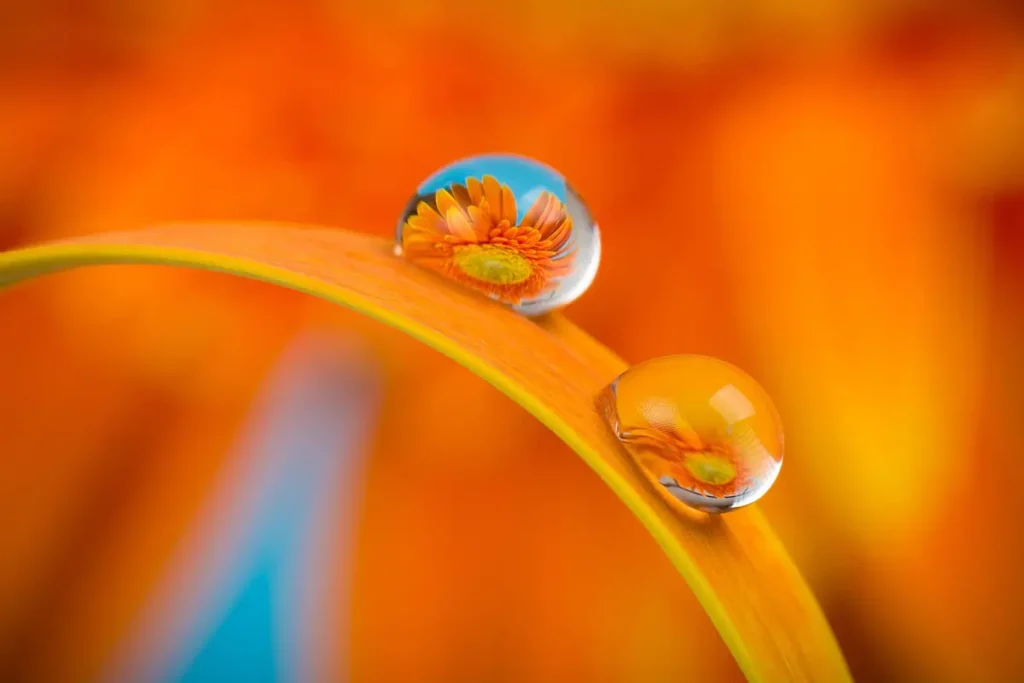
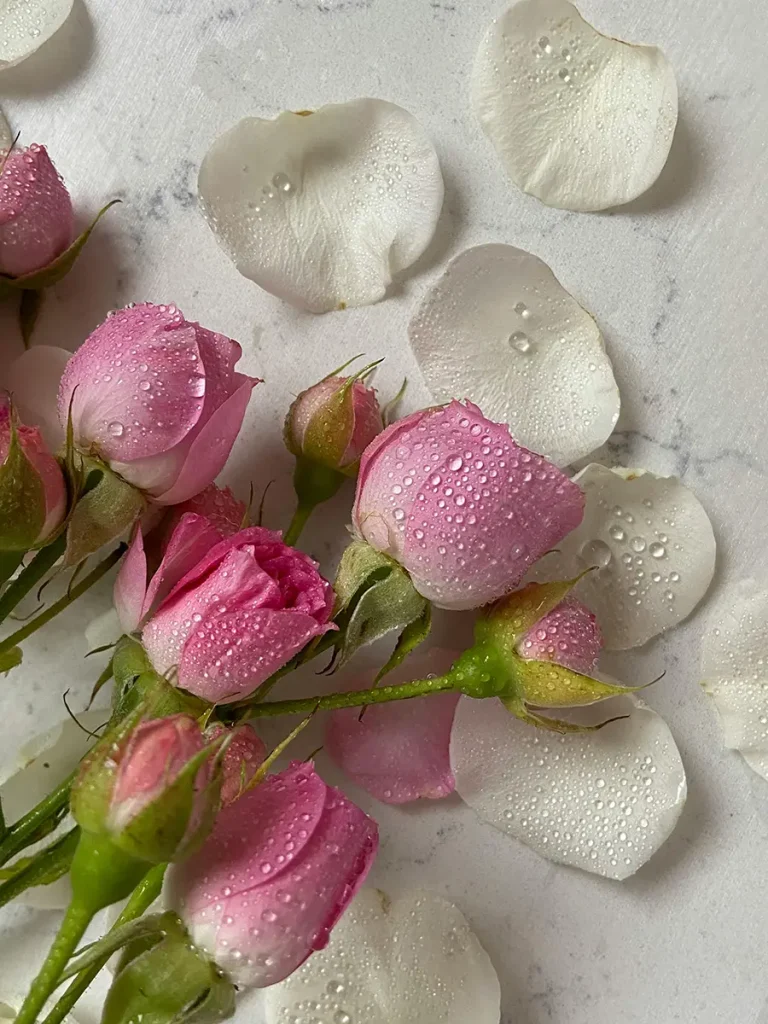
Water Droplets
To give your petals a new, dewy appearance, use a spray bottle. Add a small amount of glycerin to water to create bigger, more unified drops.
Use a Reflector
Light can be reflected back onto your subject using a professional reflector or a simple piece of white card, filling up shadows and enhancing color vibrancy.
Intentional Camera Movement
Intentional camera movement can create soft abstract effects by combining motion with slower shutter speeds. This technique often produces painterly flower images with flowing colors and blurred shapes.
Simple and Clean Backgrounds
One of the biggest distractions can be a busy background. Your lovely bloom will continue to be the undeniable center point with a simple, clean background. Always pay attention to what’s behind your subject when you’re photographing. To eliminate distracting features, use a wide aperture. If you’re in a studio, think about using black velvet or a solid-colored backdrop. Creative methods are always the best way to create artistic flower photo galleries.
Flower Photography Ideas to Try at Home or in Nature
To learn how to Capture Stunning Floral Portraits.
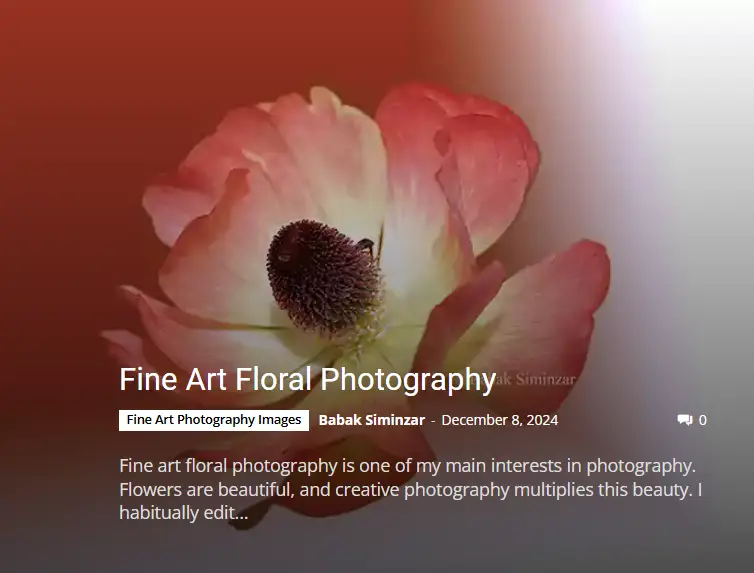
Look at beautiful floral images in fine art photography in this gallery.
Single Bloom Focus
To make your subject stand out, use a wide aperture (such as f/2.8) to isolate a single flower and create a blurry background.
Floral arrangements in a flat lay
For a striking, symmetrical image, arrange several flowers on a level surface and shoot from above.
Silhouette at Sunset
To capture the flower’s silhouette against a vibrant sky, place it between your camera and the setting sun.
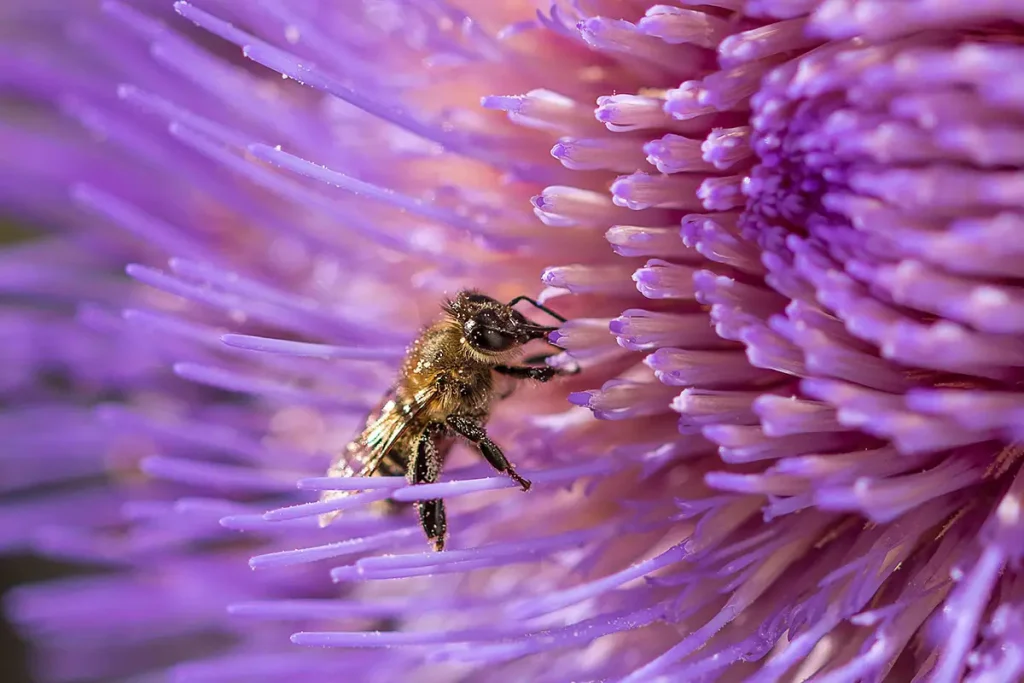
Insects on Flowers
Take pictures of bees, butterflies, or ladybugs visiting flowers to create compositions that are lively and full of narrative.
Reflection in Water
For a mirrored appearance, shoot flowers next to motionless water or let them float in a bowl.
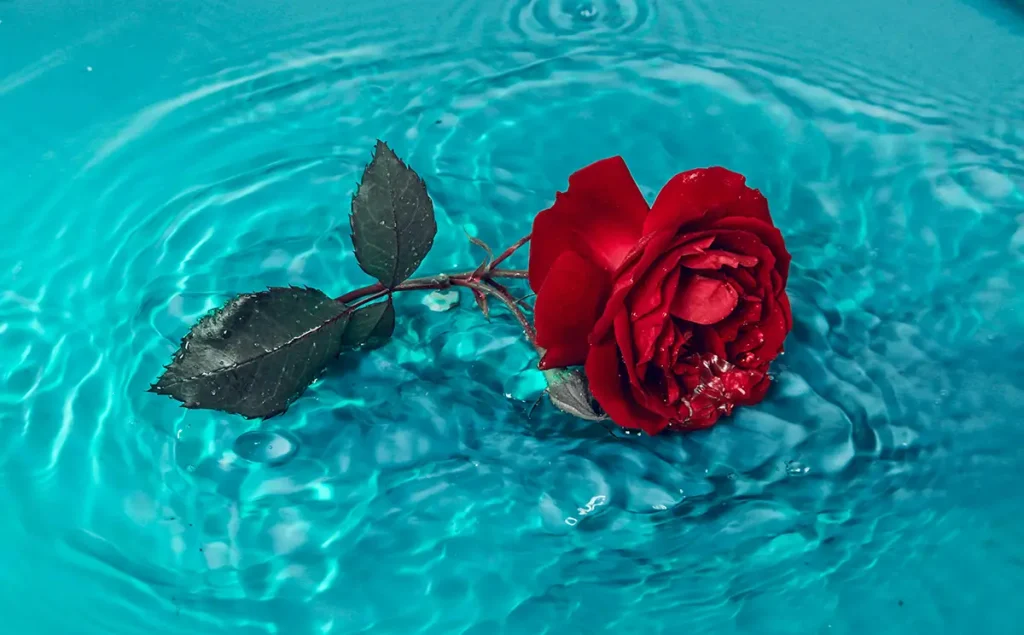
Underwater Flower Photos
For dreamy distortion effects, try putting flowers in a clear container with water in it.
Wide-Angle Garden View
To photograph a whole flower bed or garden scene, use a wide-angle lens.
Shadow Play
For a creative twist, take pictures of flowers with intriguing shadows on a table or wall.
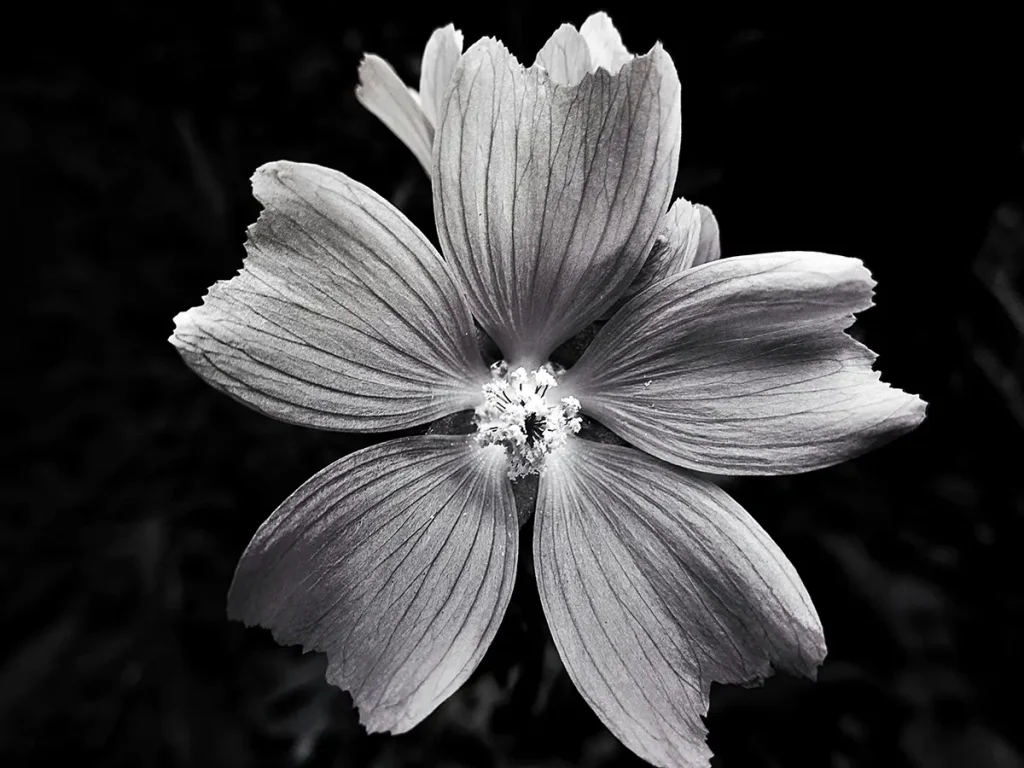
One of the Flower Photography Tips is using Monochrome Mood
To highlight shape and contrast, turn your flower shot into a black and white image.
Double Exposure Effect
For artistic expression, combine a picture of flowers with a texture or a scene.
Final Thoughts
Flower photography is an art form that encourages creativity, mindfulness, and a bond with nature. Whether you’re shooting a single bloom or a whole field of flowers, these flower photography ideas will help you build a stunning portfolio and develop your own unique style.
If you mix these creative ideas with the correct technical settings, you’ll be able to take stunning, unique flower shots.
Happy shooting!
