

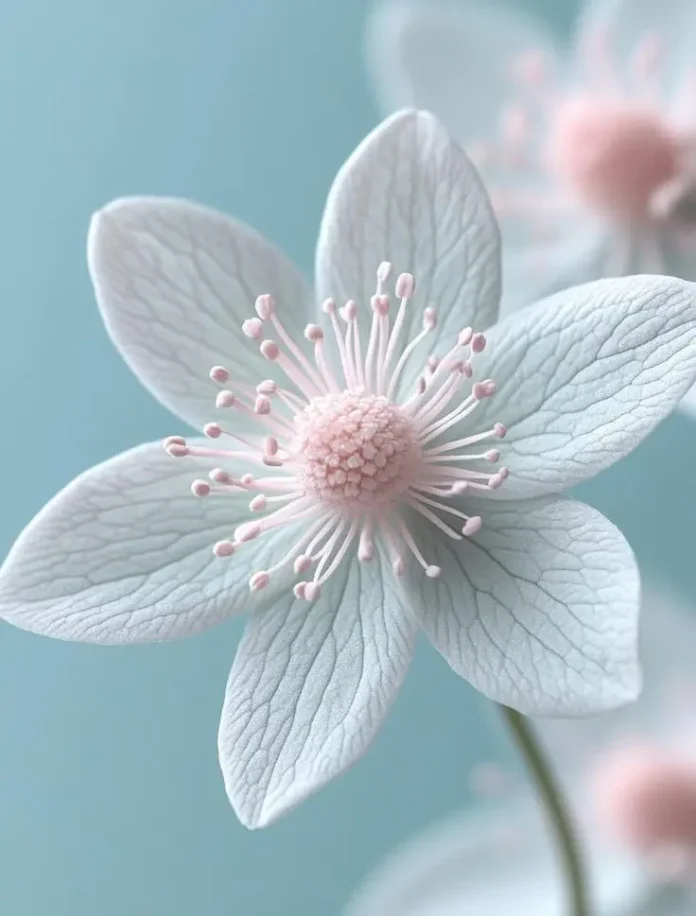
Flower photography is not always about documenting flowers with maximum sharpness and technical precision. In many situations, atmosphere, light, texture, blur, and composition become more important than perfect detail. Artistic flower photography often focuses on creating mood and visual emotion by simplifying the scene and drawing attention to color, shape, and light.
For photographers seeking broader creative inspiration, classic flower photography techniques can still help improve composition, lighting, and visual balance in floral images.
Topics
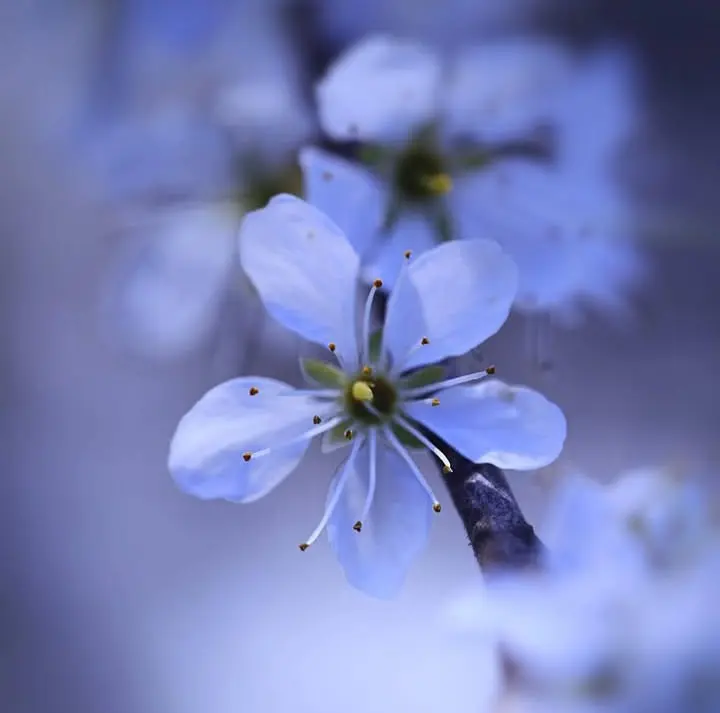
Using Soft Light and Background Blur
Soft morning light, cloudy weather, or shallow depth of field can simplify complex backgrounds and create calmer floral images. When background details gradually disappear into blur, flowers often become more expressive and visually isolated.
A single flower photographed against distant soft colors may create a stronger emotional atmosphere than a highly detailed scene with many distracting elements.
Flower in Foggy Morning Light
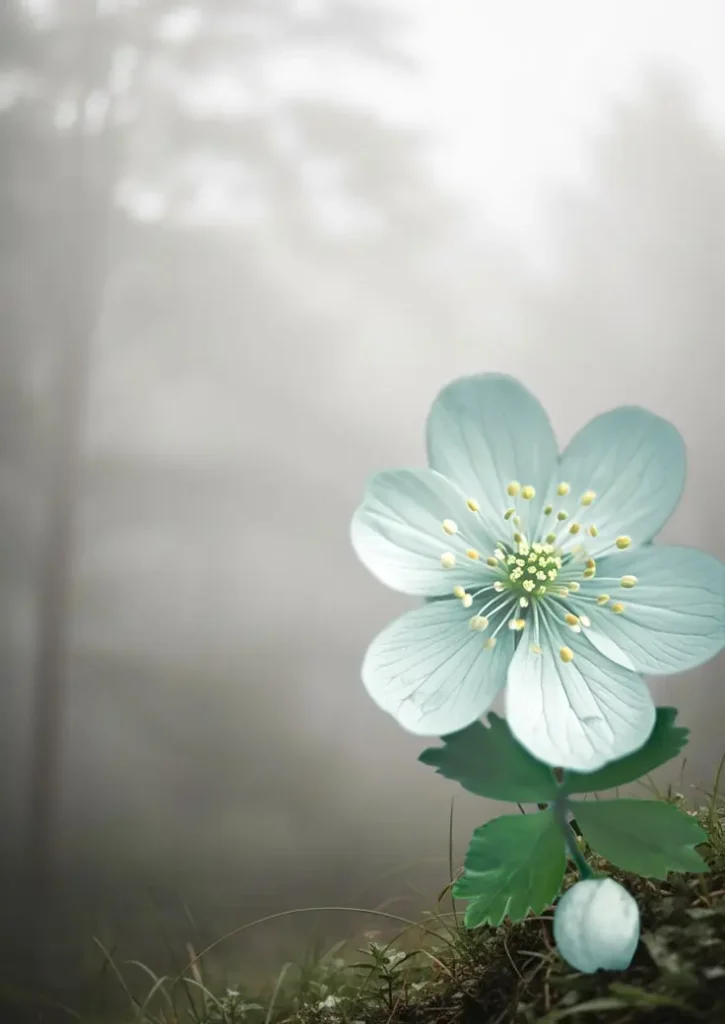
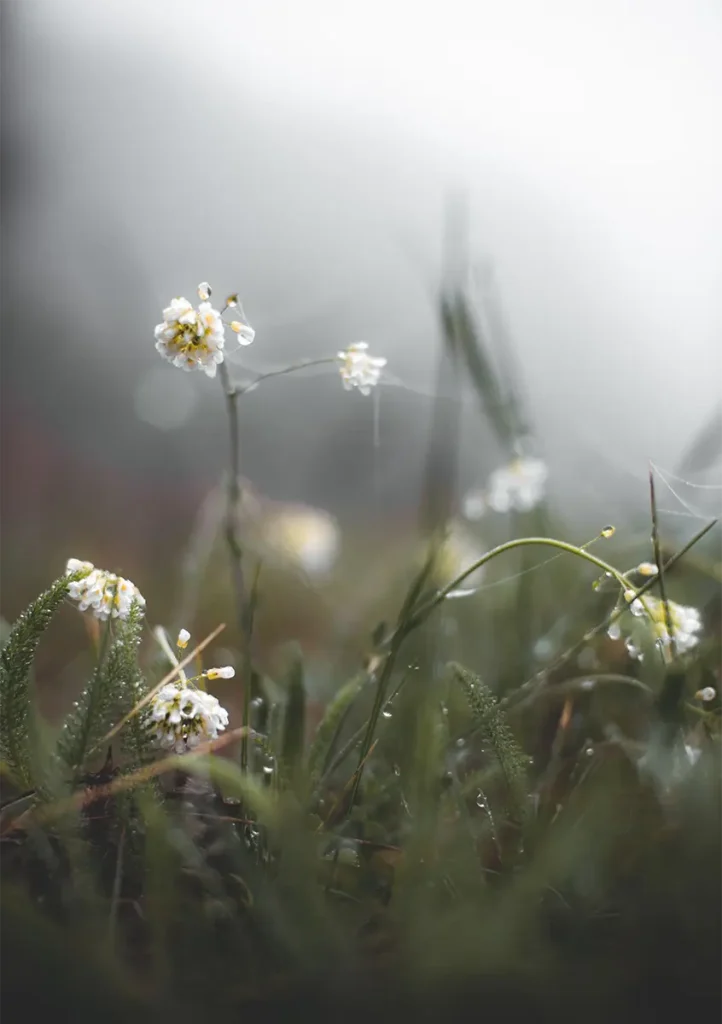
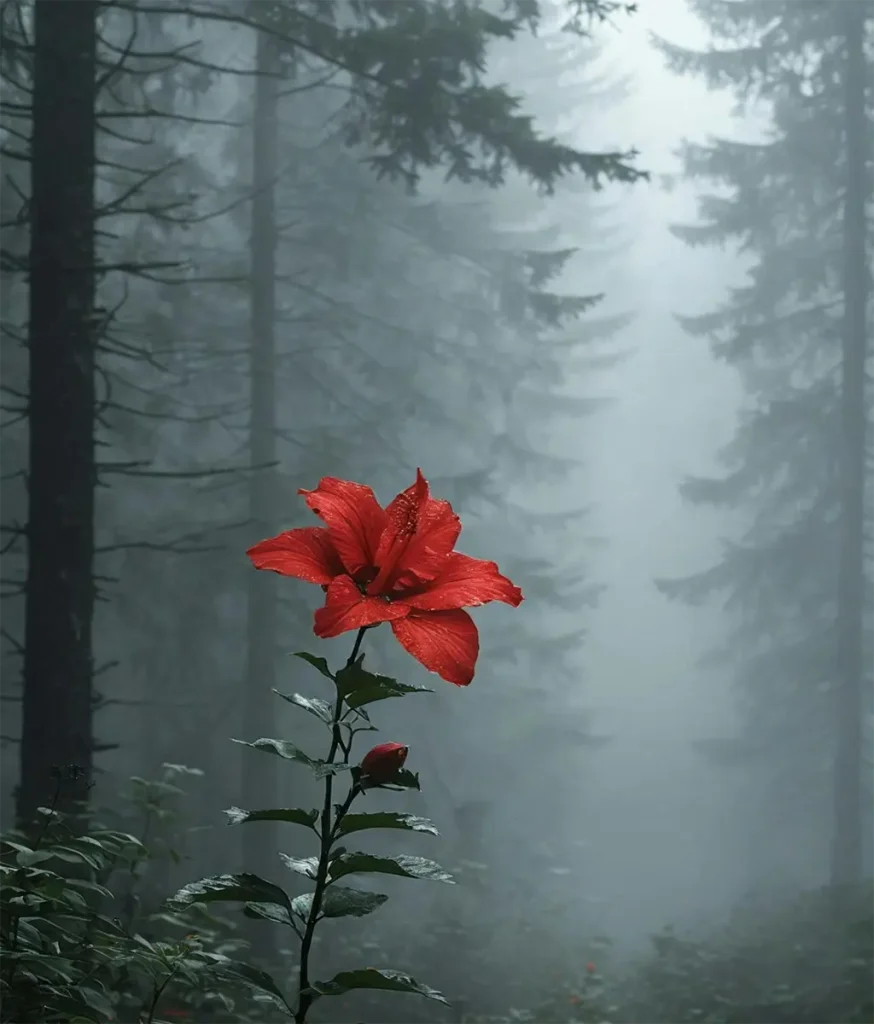
Single Flower with Creamy Blurred Background
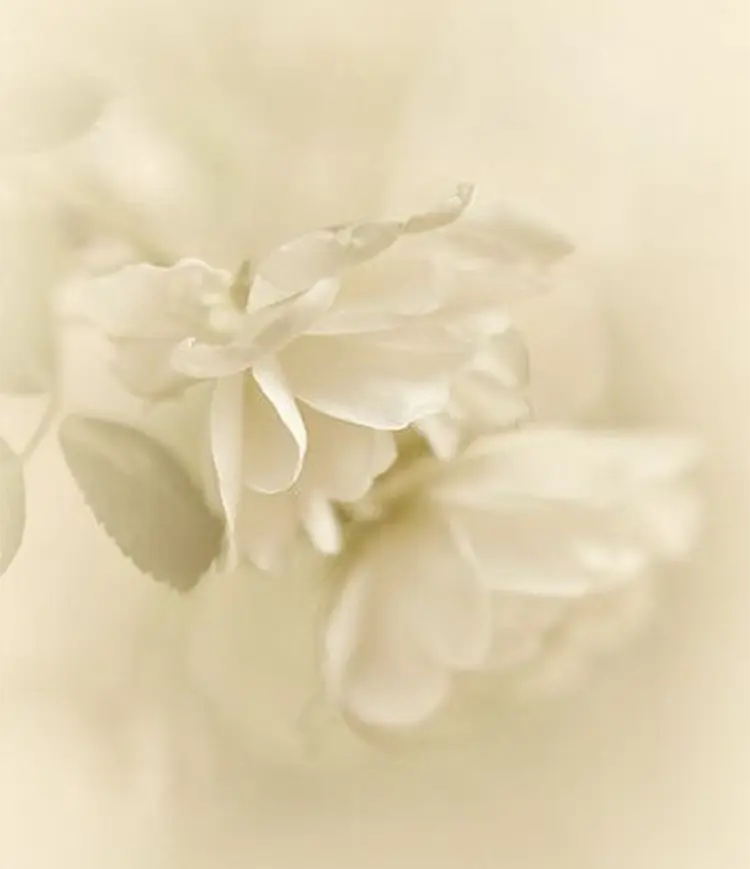
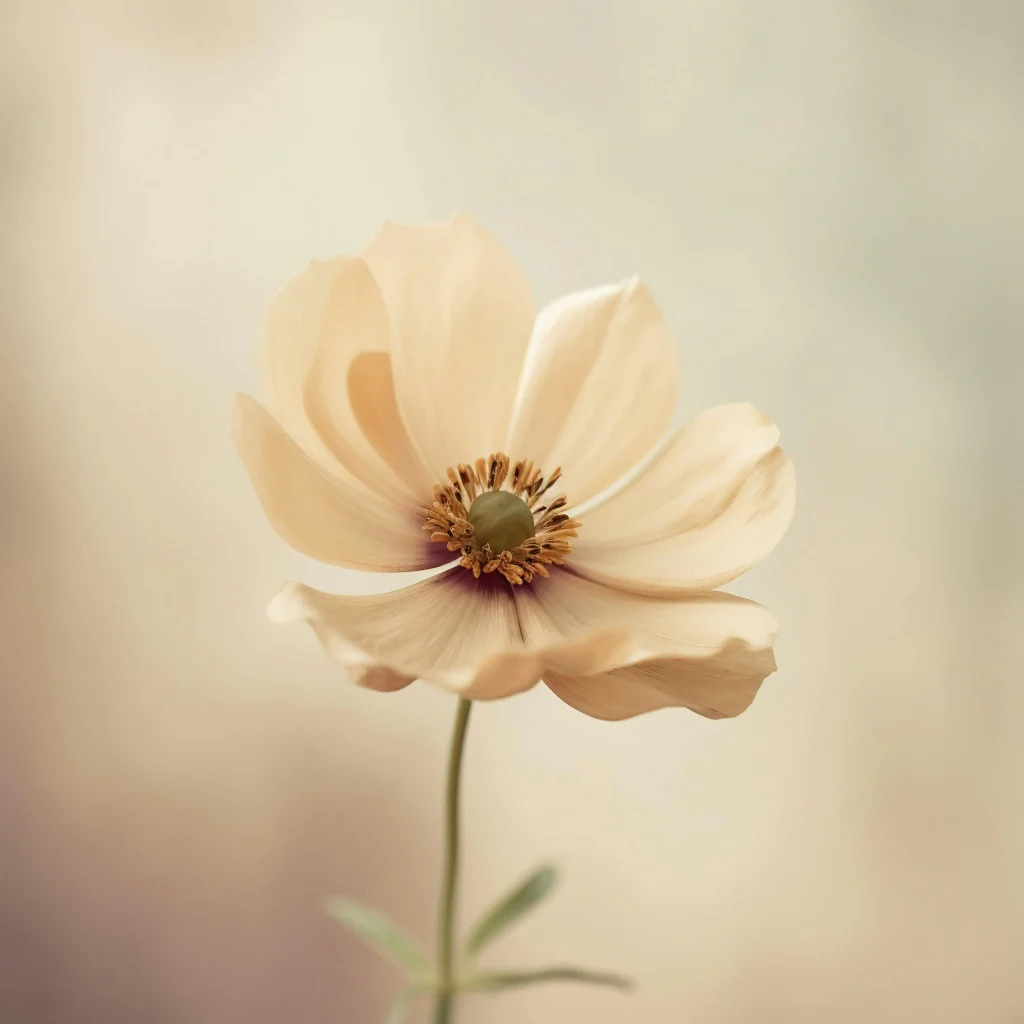
Pastel Floral Tones With Shallow Depth of Field
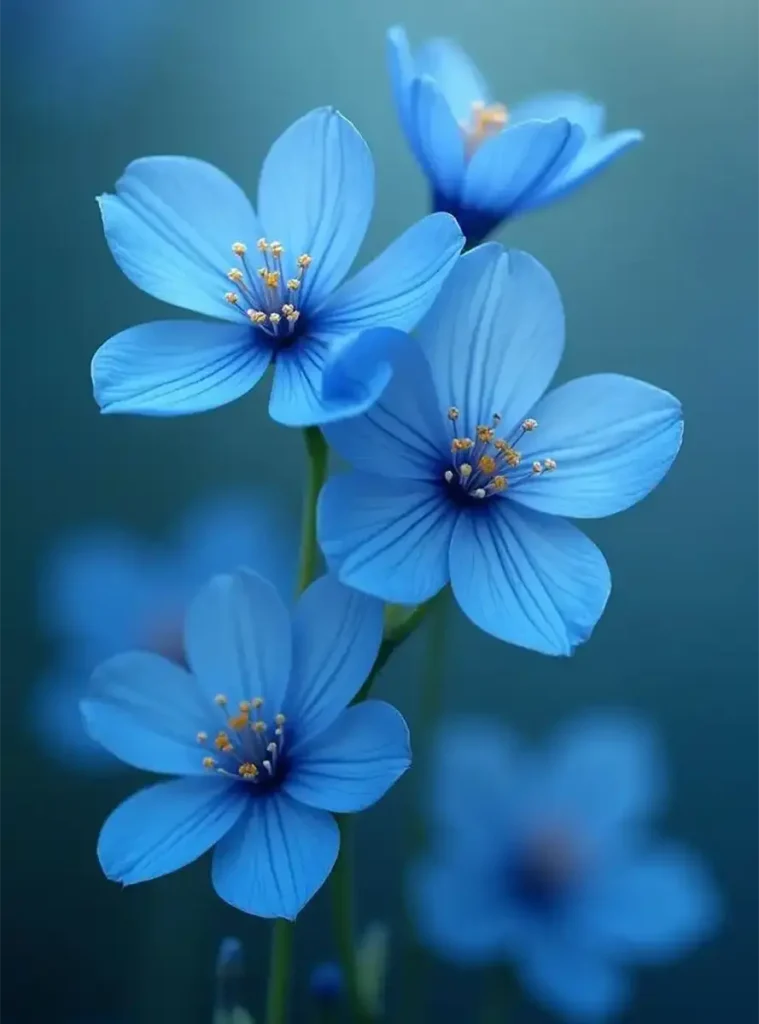
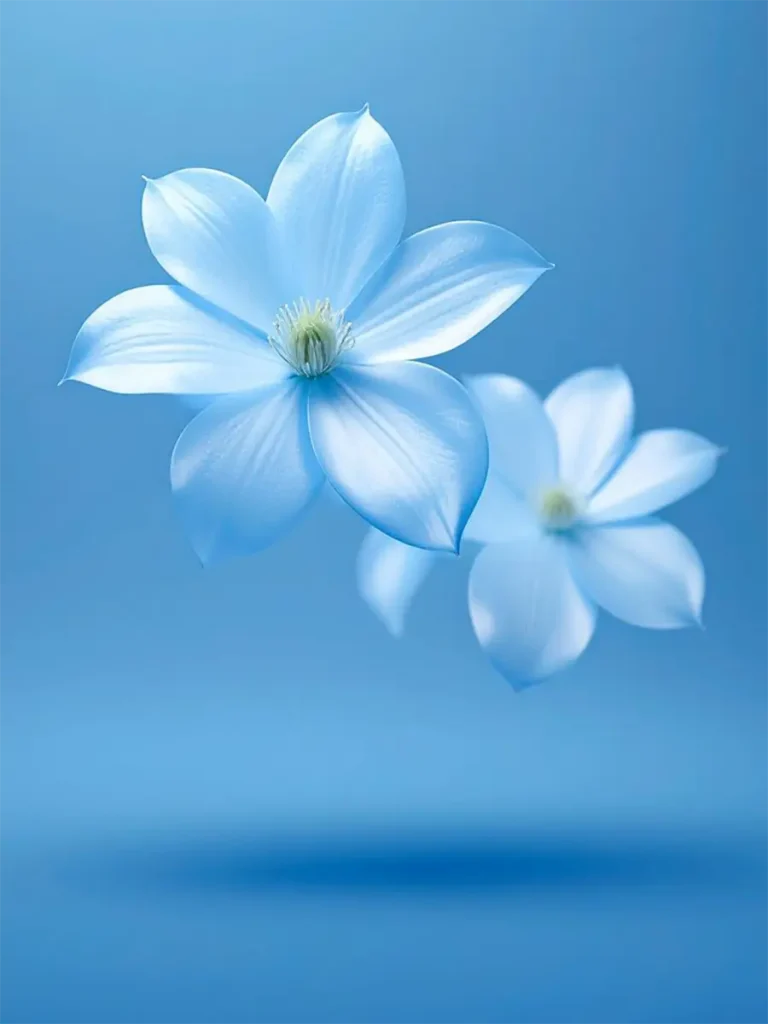
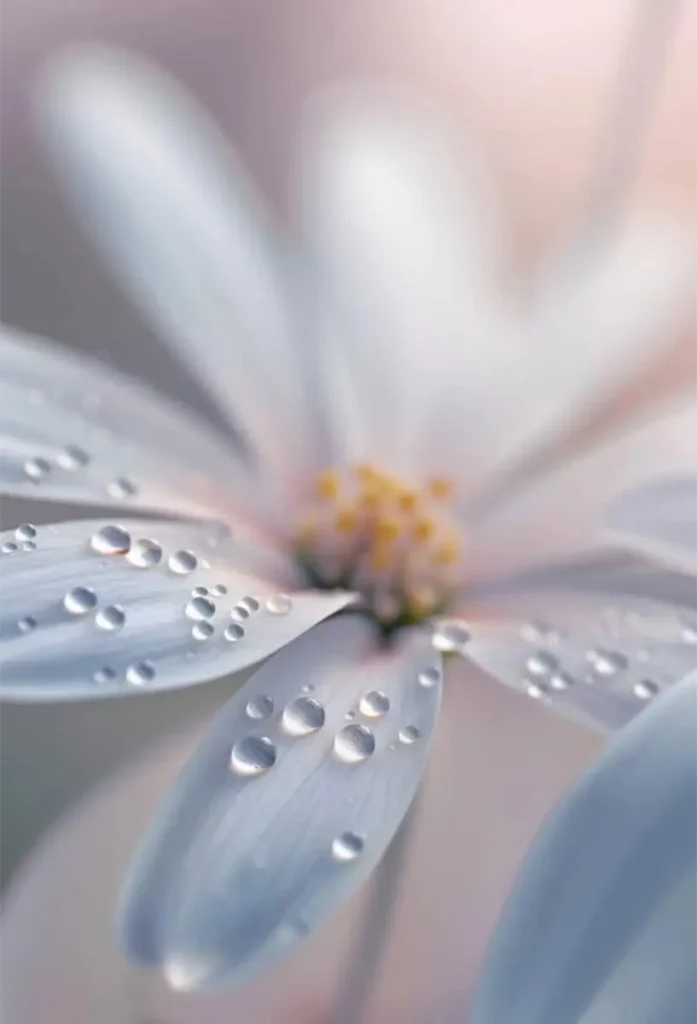
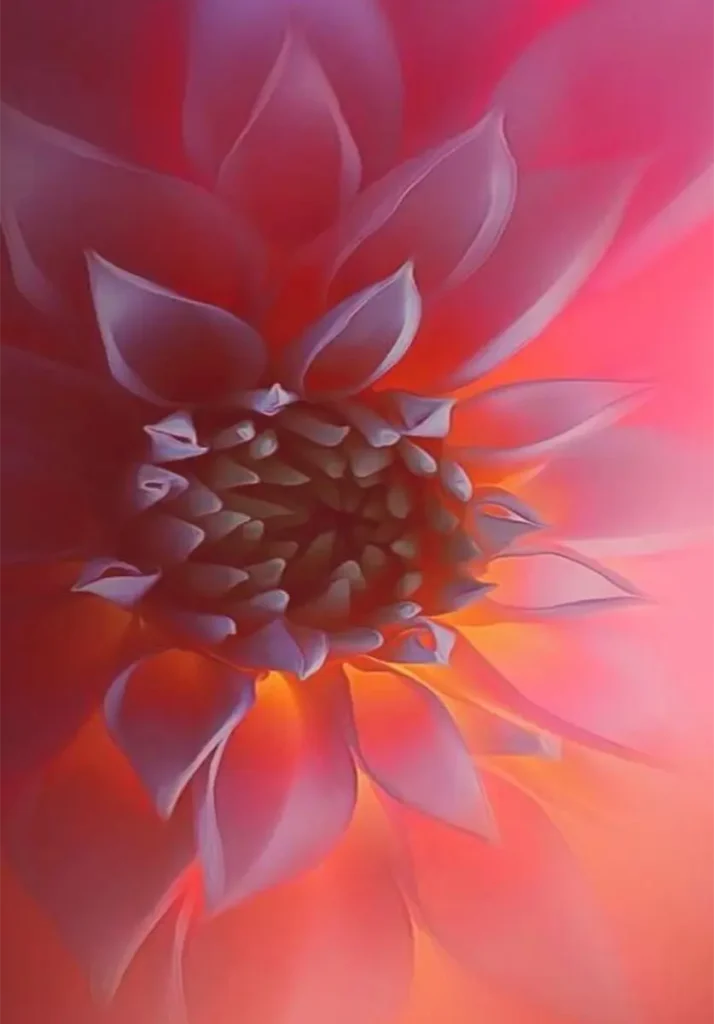
Looking for Abstract Floral Details
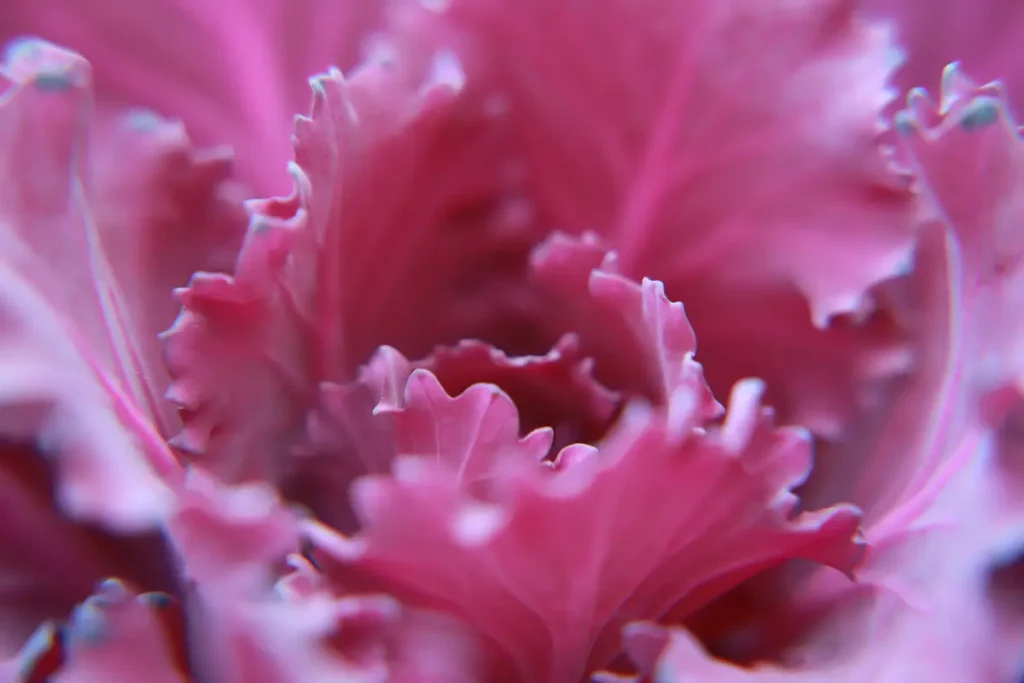
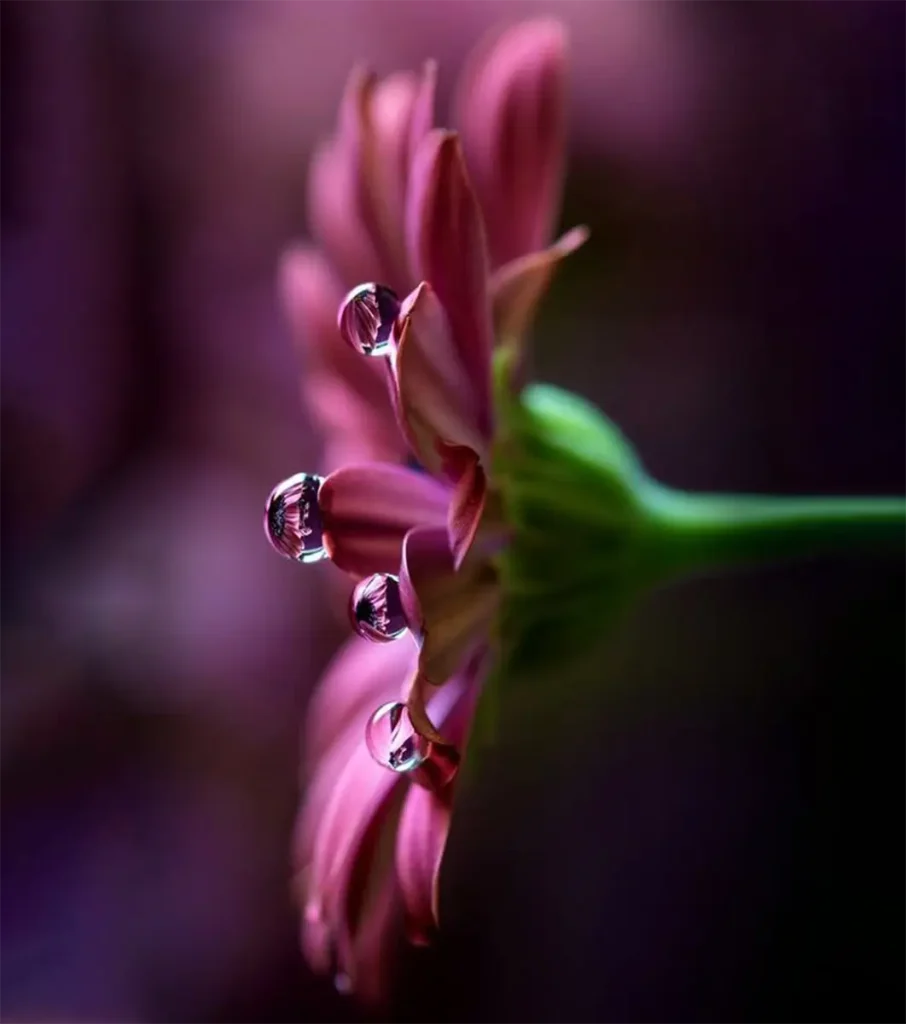
At very close distances, flower petals, textures, water droplets, and color transitions may gradually lose their recognizable form and begin to appear abstract. Curved petals, repeating shapes, and soft tonal changes can transform ordinary flowers into more experimental visual compositions.
Instead of photographing the entire flower, focusing on small details sometimes creates more artistic and visually unusual results.
Macro Flower Petal Texture
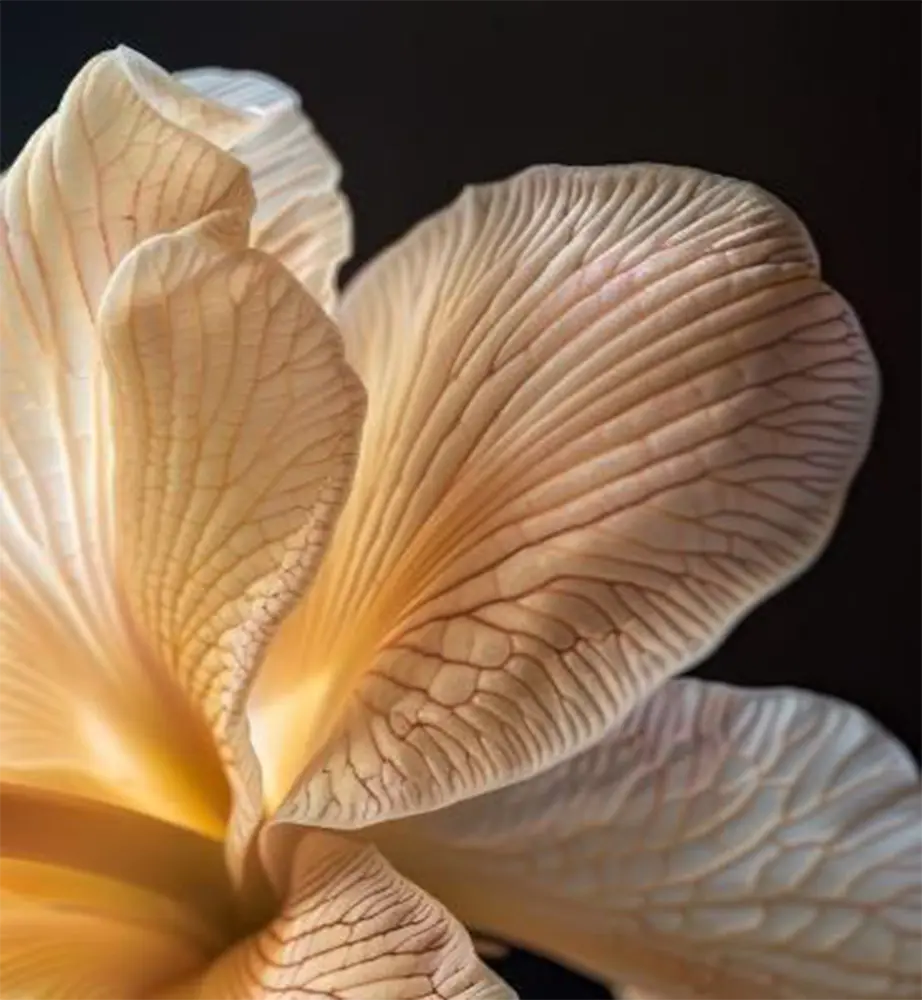
Abstract Floral Close-up
Water Droplets on Petals
Dark Backgrounds and Atmospheric Contrast
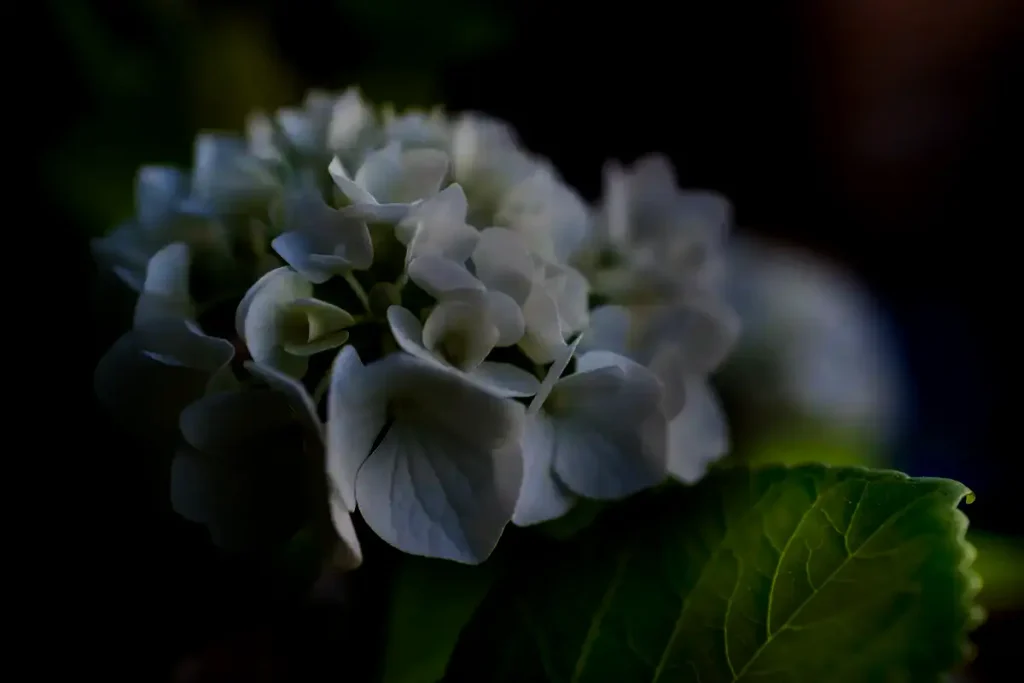
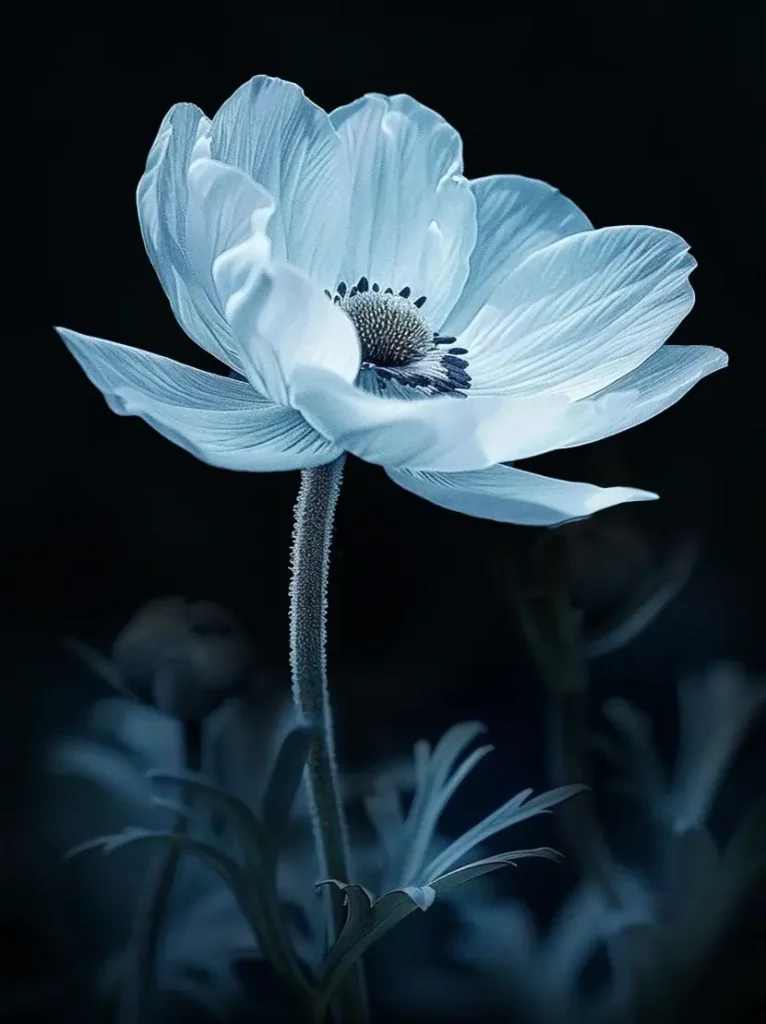
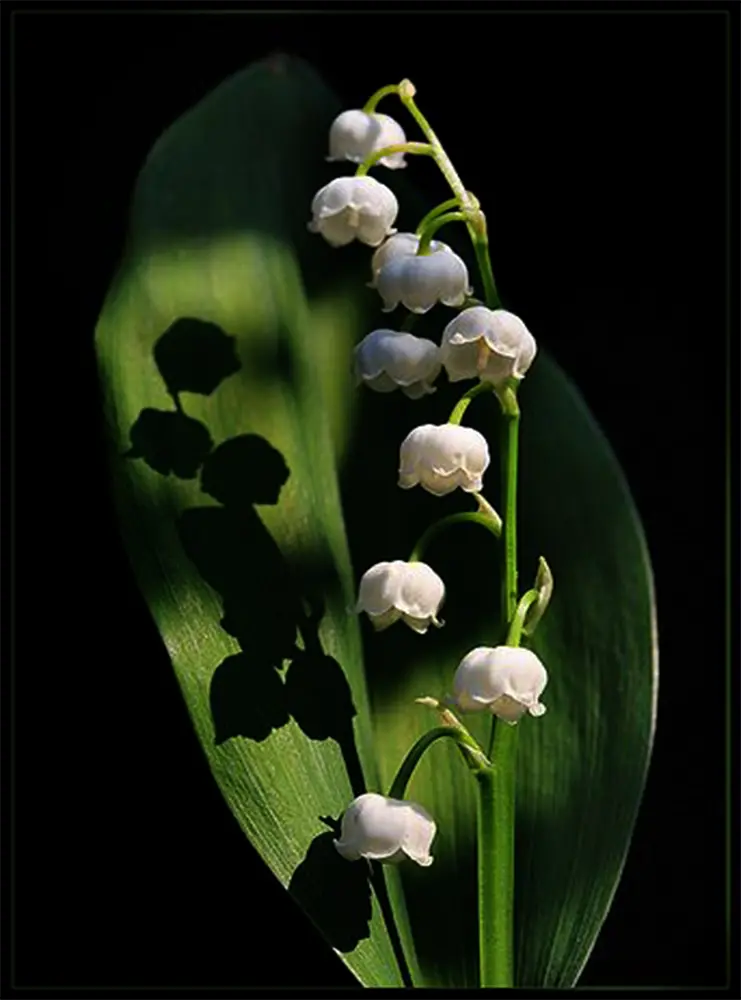
Dark or shadowy backgrounds can dramatically change the emotional atmosphere of flower photography. Strong contrast between illuminated petals and dark surroundings often creates more dramatic and fine art inspired floral compositions.
Low-key lighting, directional sunlight, or photographing flowers in shaded environments can all help produce deeper contrast and visual separation.
Dark Floral Photography
Flower against a Black Background
Dramatic Flower Lighting
Using Reflections and Water for Creative Effects
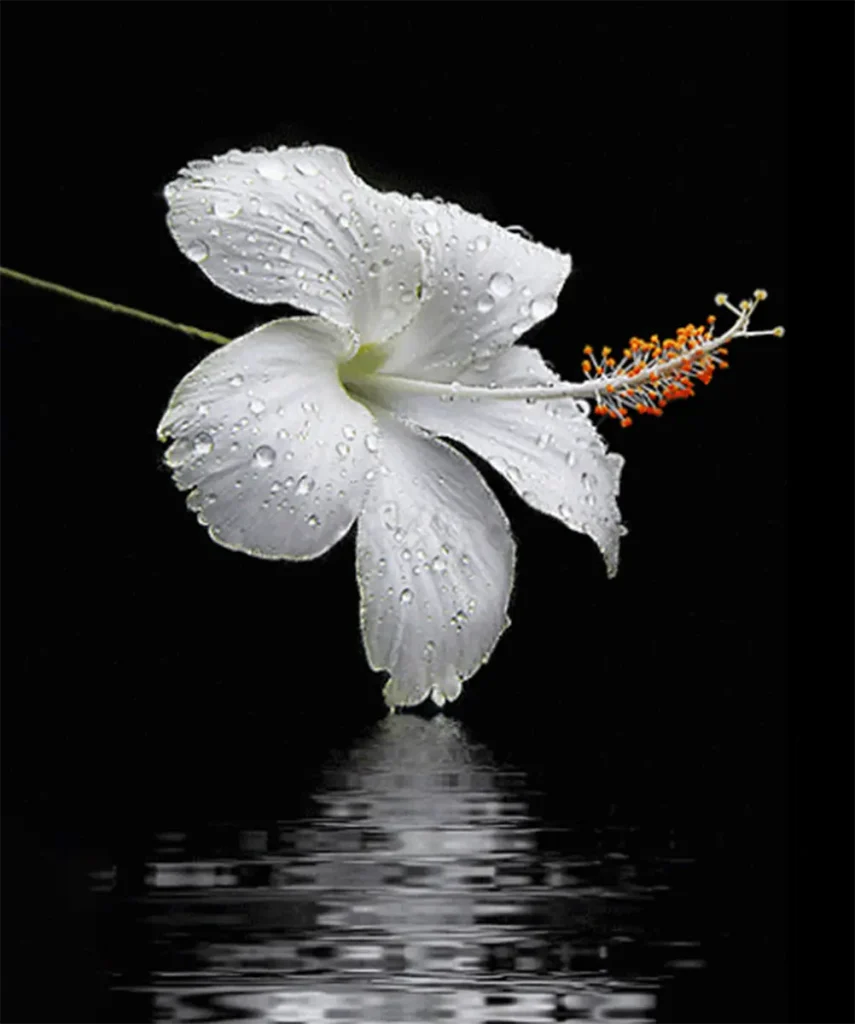
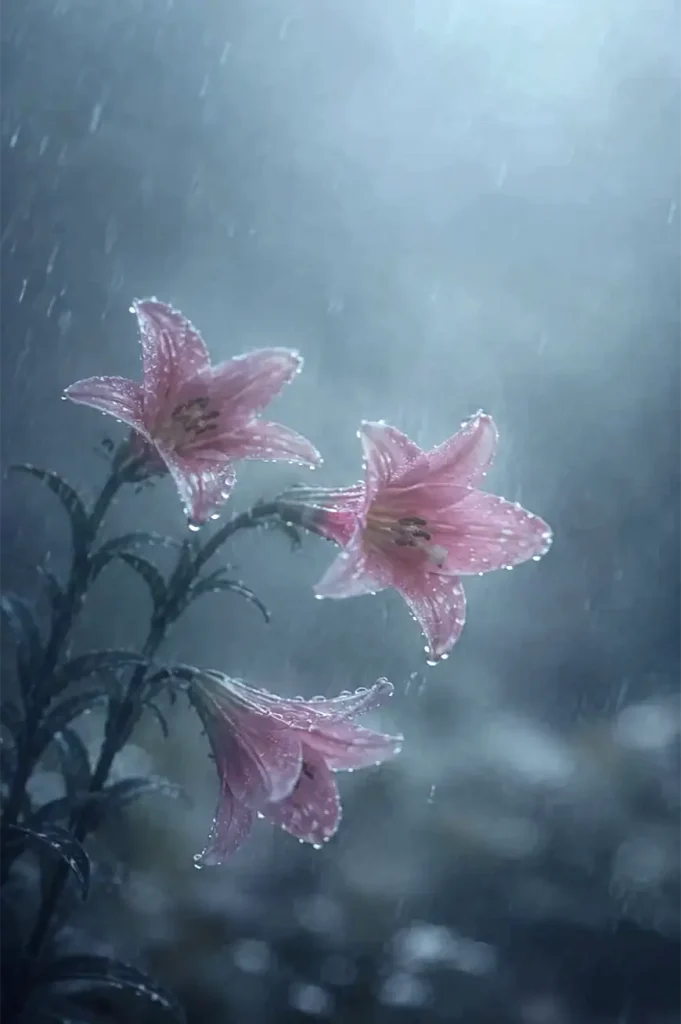
Reflections on glass, water, or wet surfaces can introduce distortion, symmetry, and visual ambiguity into flower photography. Rain, mist, condensation, or reflective surfaces often create opportunities for more experimental and atmospheric floral images.
Sometimes the reflection itself becomes more visually important than the flower.
Reflected Flower Photography
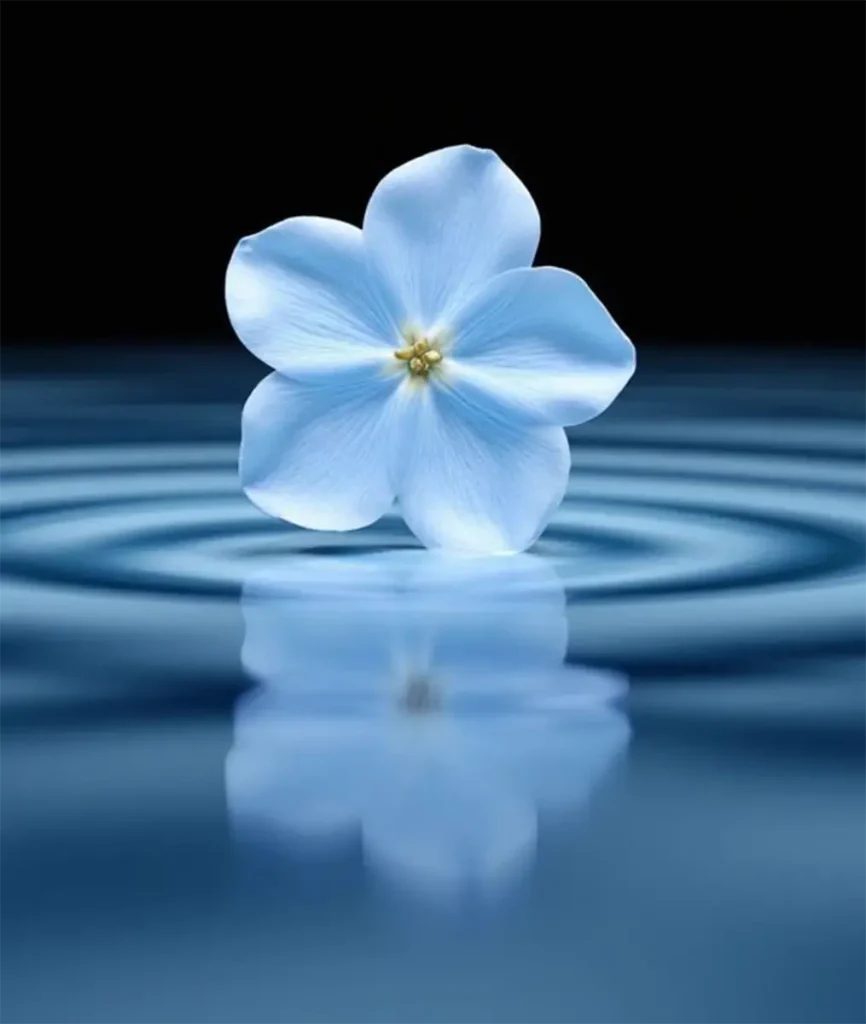
Flower Reflection in Water
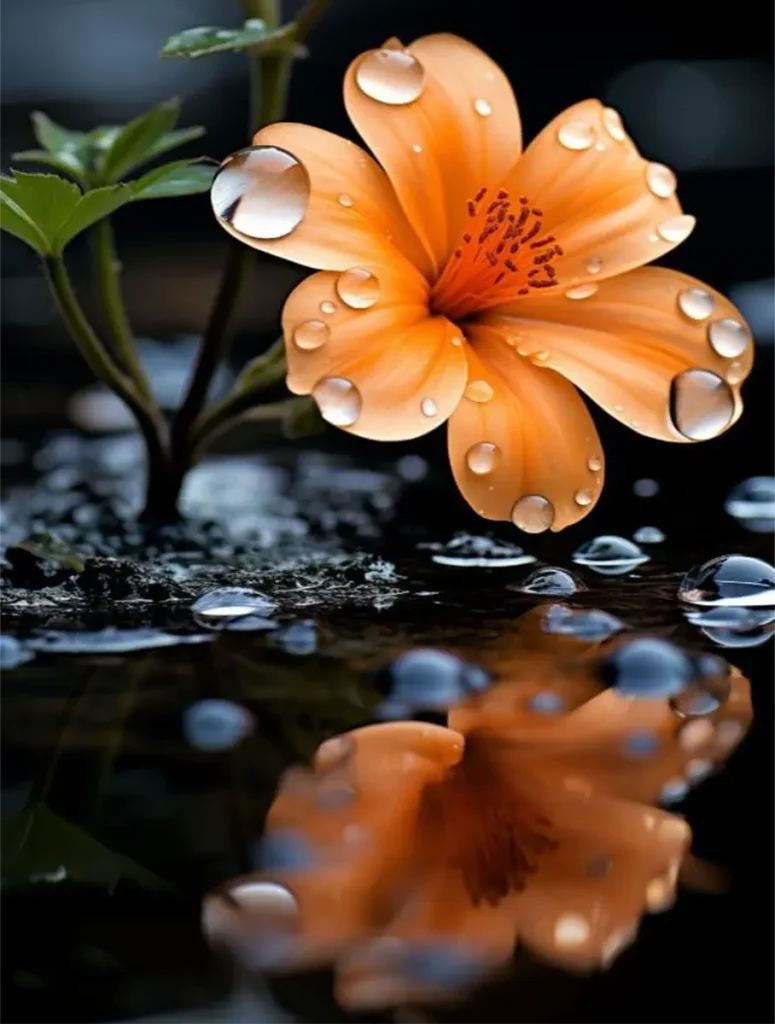
Rainy Floral Close-up
Conclusion
Artistic flower photography is often less about technical perfection and more about atmosphere, interpretation, and visual experimentation. Light, blur, texture, reflections, abstraction, and composition can all change the emotional impact of floral images in different ways.
Many photographers also explore similar visual approaches in artistic flower photography through minimal composition, soft atmosphere, and expressive floral details
