


With fisheye lens photography, you can create distorted images with a spherical composition that often feels more dynamic than ordinary shots. In this guide, we explore practical fisheye photography tips to help you use this lens creatively.
Topics
What Is a Fisheye Lens Used For?
When shooting straight ahead with a fisheye lens, the angle of view approaches 180 degrees, allowing both central subjects and surrounding elements to appear within the frame.
This type of photography is not suitable for every situation and can sometimes create cluttered compositions. However, in the right context, it produces highly engaging images.
The front of Fisheye lenses is more convex than that of regular lenses, which have an 8—to 15 mm focal length. Objects near the edges appear more distorted, while subjects placed at the center remain relatively less affected.
Fisheye lenses can be used indoors, like in a room, or outdoors when shooting a landscape.
Practical Fisheye Photography Tips
One of the most common uses of fisheye lenses is in architectural photography. In tight indoor spaces, the wide field of view helps capture more of the environment, while outdoor shots can produce unusual perspectives.
Fisheye lenses are often used in fine art landscape photography and street photography, although they cannot fully replace standard lenses.
Make a change in the horizon line with the help of distortion
In landscape photography with a fisheye lens, the horizon line can be intentionally curved to create a more dynamic composition. Although the line is unrealistic, it may seem extraordinary depending on the image’s composition.
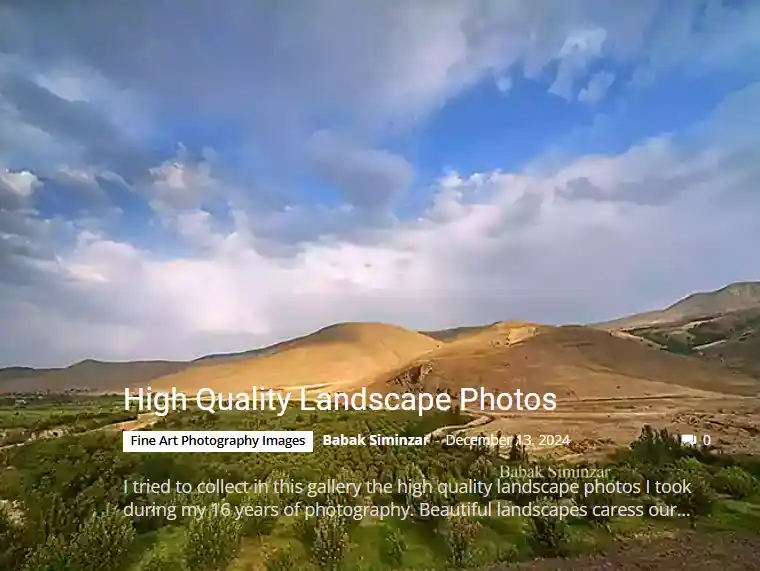
Please take a look at the Fine Art Landscape Photos Gallery to see more images
One of the fisheye photography tips is to try placing the horizon line around the lens to make it curved. Objects placed at the edge of the lens are more curved than those placed at the center.
This approach can also be explored further in landscape photography, where composition and perspective play a central role.
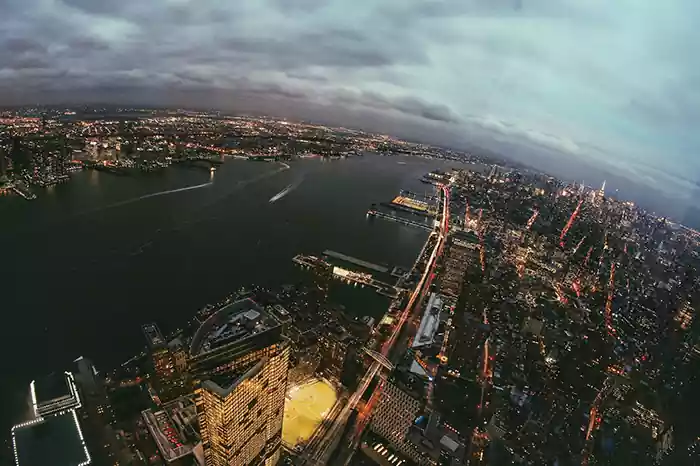

The use of the Fisheye lens in architectural photography
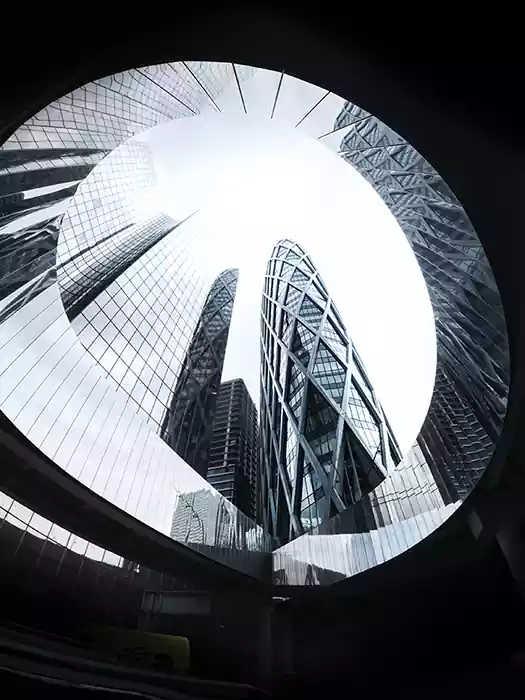
Architectural photography is the best example of using a Fisheye lens. Distortion changes the actual image, but the result is fascinating. The Fisheye lens is used in both indoor and outdoor photography.
Finding the right shooting position is essential. Small changes in angle can significantly affect the level of distortion and composition.
Using a fisheye lens in symmetrical interiors can enhance visual impact and create striking compositions.
Fisheye portrait photography tips
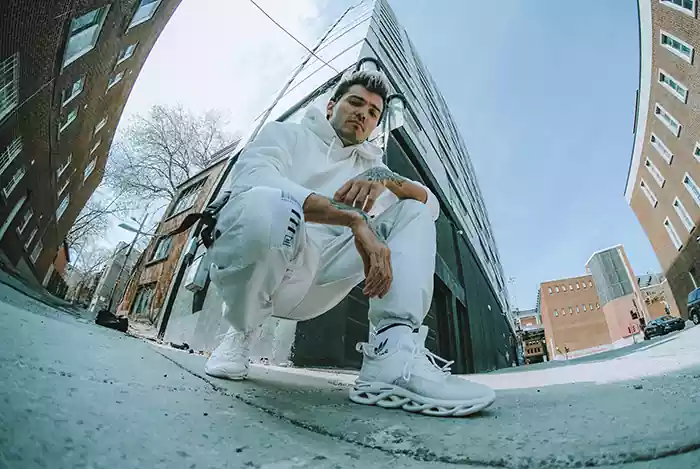
In portrait photography, placing the subject at the center reduces distortion and keeps facial features more natural.
Meanwhile, distortion increases toward the edges, creating a more experimental and unconventional portrait.
Conclusion
Although fisheye photography introduces distortion, it can produce compelling results in the right situations. Practice will give you experience shooting with a fisheye lens. Keep the subject you want to change the least in the center of the lens, and keep that one cluttered on the sides.
Sources
digital-photography-school.com

Download this tutorial PDF for free: Take Beautiful Photos with Fisheye Photography Tips PDF
