

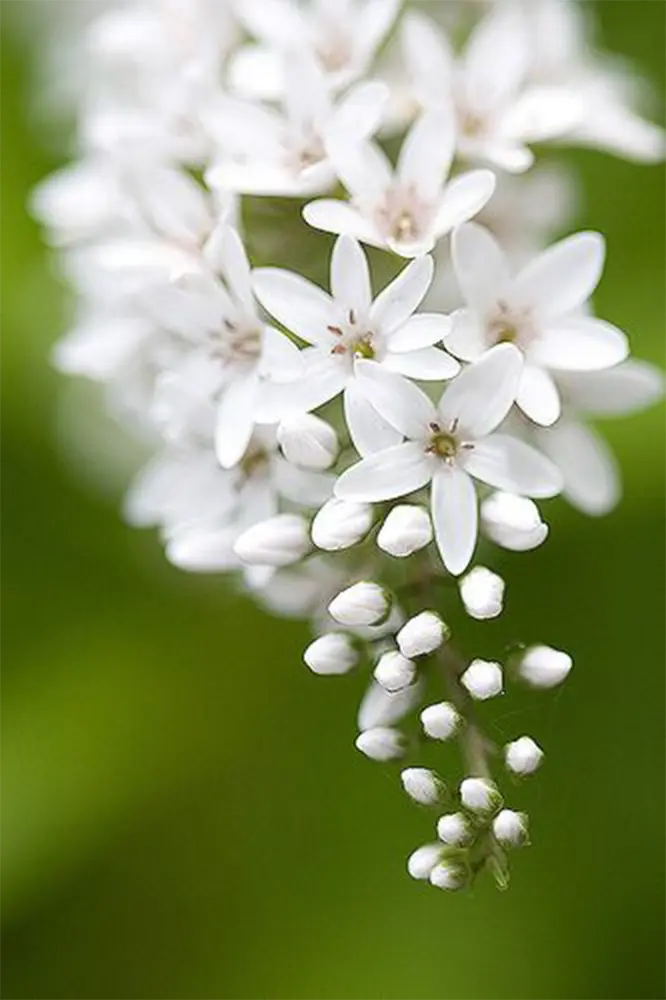
Not every flower photograph needs vibrant colors or bright sunlight to capture attention. In many situations, softer light, deeper shadows, mist, rain, or muted backgrounds create images that feel quieter, more emotional, and visually distinctive. Rather than emphasizing technical perfection, moody flower photography explores atmosphere, contrast, and the relationship between light and darkness.
Many of these scenes appear naturally during overcast mornings, rainy weather, or beneath dense tree canopies where direct sunlight rarely reaches the flowers. These changing environmental conditions simplify the background, soften distracting details, and encourage viewers to focus on shape, texture, and subtle tonal transitions instead of strong color alone.
Photographers who want to build a broader understanding of floral composition and natural lighting may also benefit from exploring flower photography techniques before experimenting with more atmospheric visual styles.
Topics
Looking Beyond Bright Colors
Moody flower photography is often misunderstood as simply photographing flowers against dark backgrounds. In reality, mood is created by the relationship between light, color, atmosphere, and visual simplicity. A flower growing in fog, standing alone beneath forest trees, or surrounded by fading evening light may appear far more expressive than one photographed under harsh midday sunlight.
Muted colors, softer contrast, and gentle tonal transitions encourage viewers to slow down and observe smaller visual details. Instead of immediately attracting attention through brightness, these images gradually reveal texture, shape, and atmosphere.
Many photographers discover that reducing visual intensity allows emotional qualities to become more noticeable. Quiet compositions often communicate more effectively than scenes filled with vibrant colors and competing elements.
Using Shadows as Part of the Composition
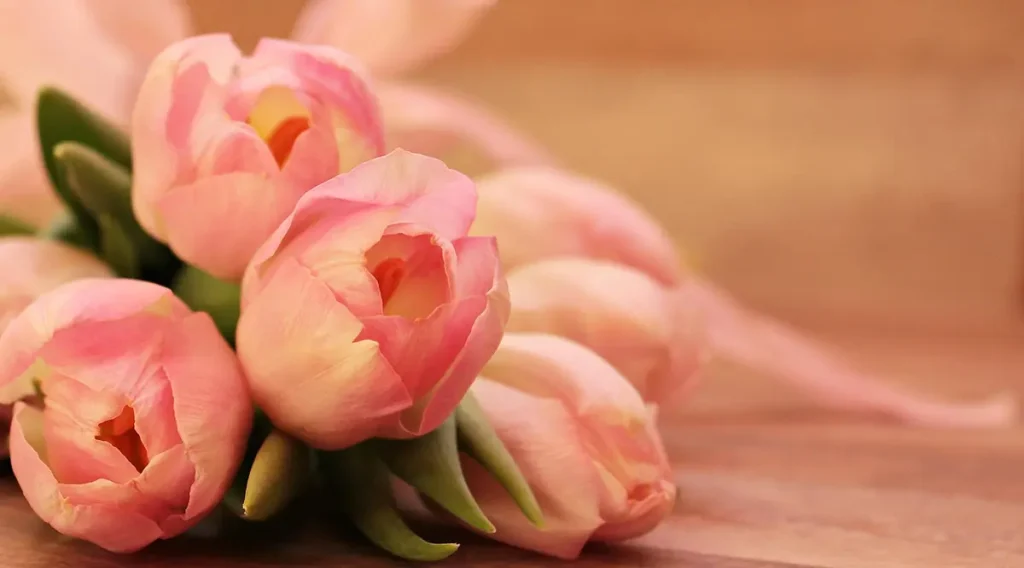
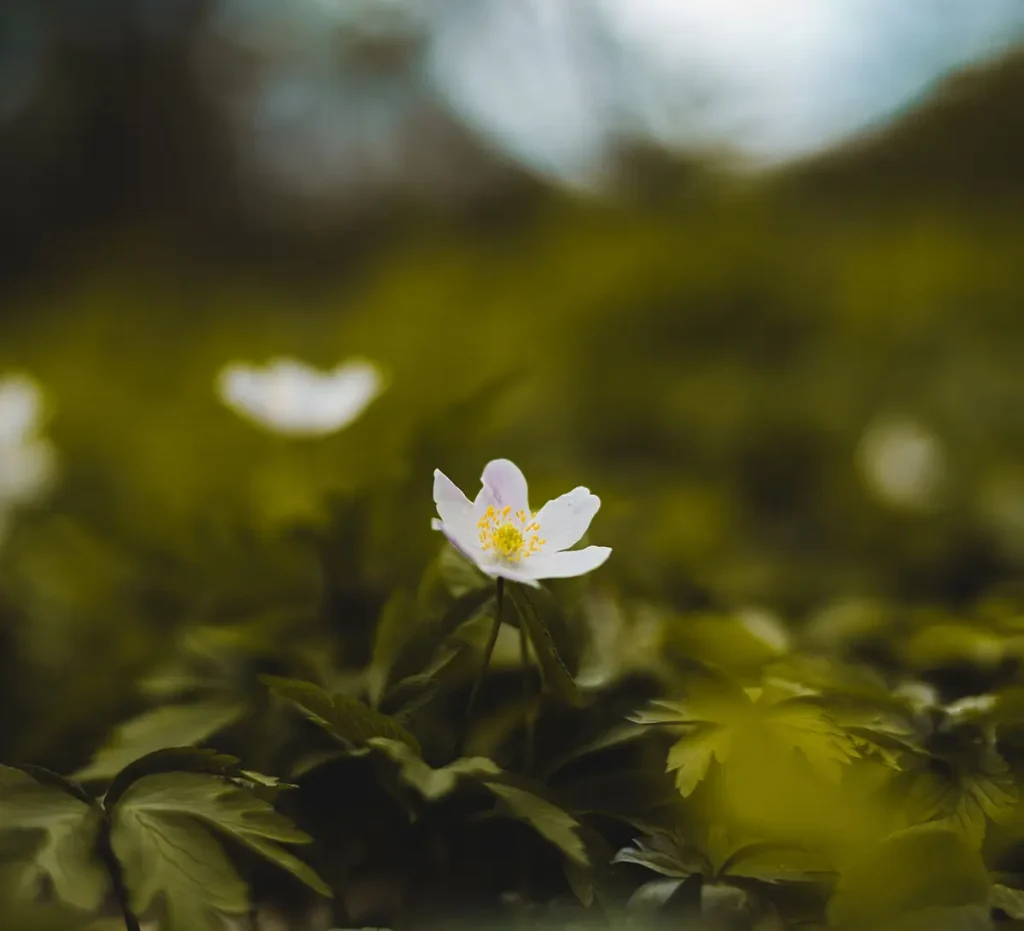
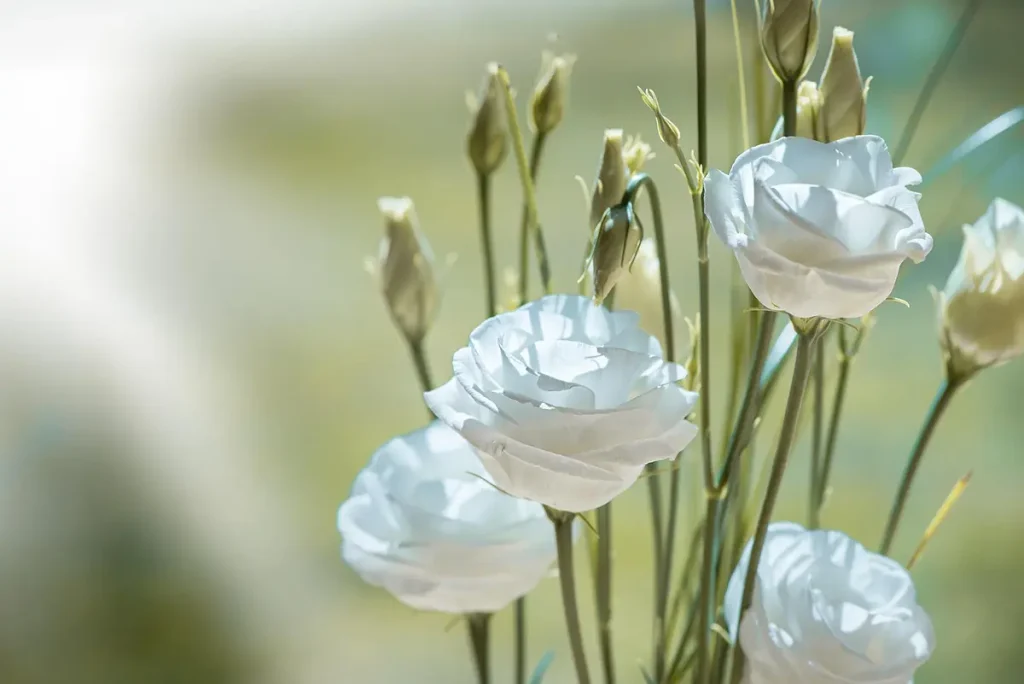
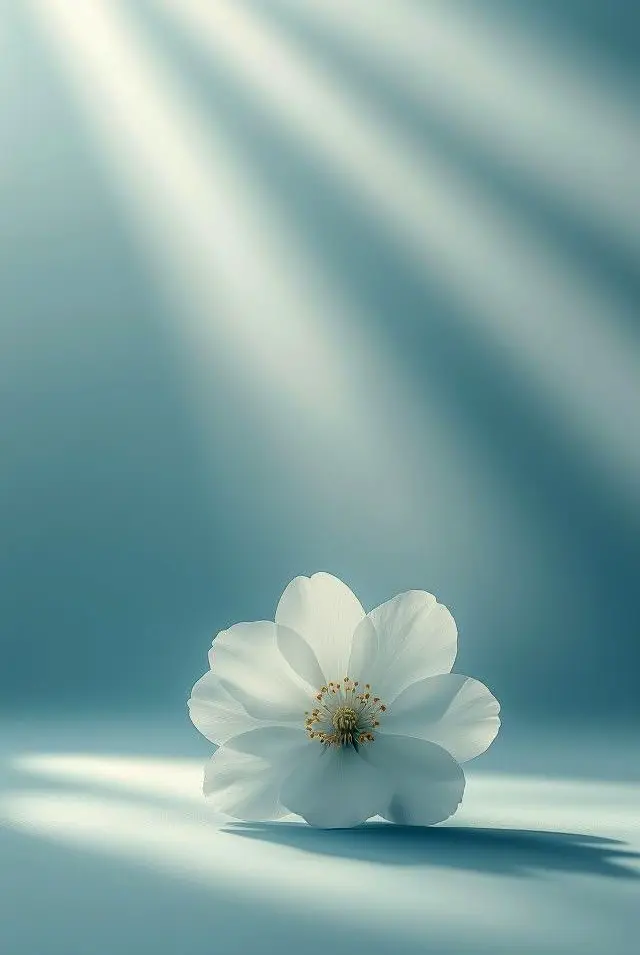
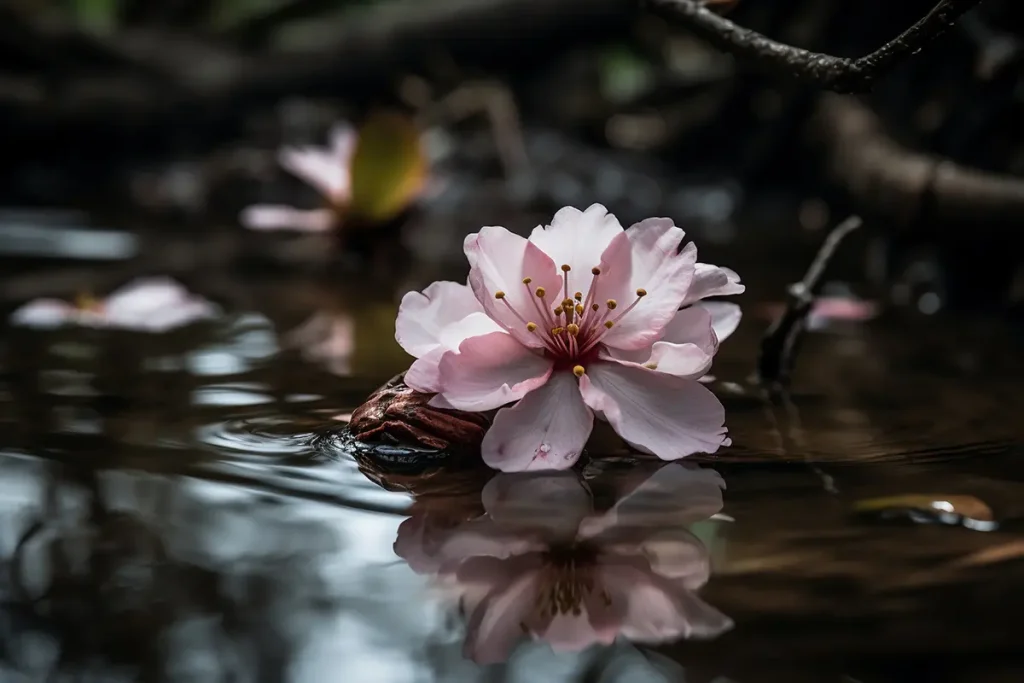
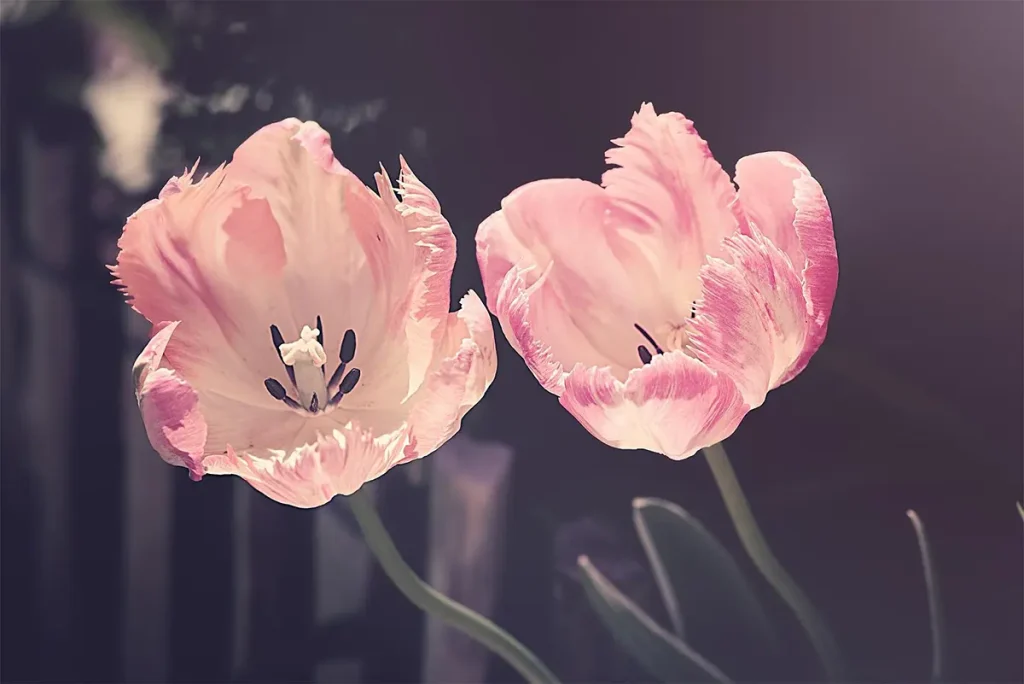
Shadows do not simply hide visual information; they shape the emotional character of a photograph. In moody flower photography, darker areas often become as important as the illuminated petals themselves. Instead of filling every part of the frame with detail, shadows create space, simplify the composition, and guide the viewer’s attention toward the brightest elements.
This approach does not require photographing at night or inside a studio. Dense vegetation, cloudy skies, shaded gardens, or flowers growing beneath trees frequently provide naturally balanced low-light environments. Small changes in camera position can dramatically alter how surrounding shadows interact with the flower.
When combined with shallow depth of field, darker backgrounds gradually dissolve into soft tonal layers, making even ordinary flowers appear more isolated and visually expressive.
Looking for Mood in Natural Weather
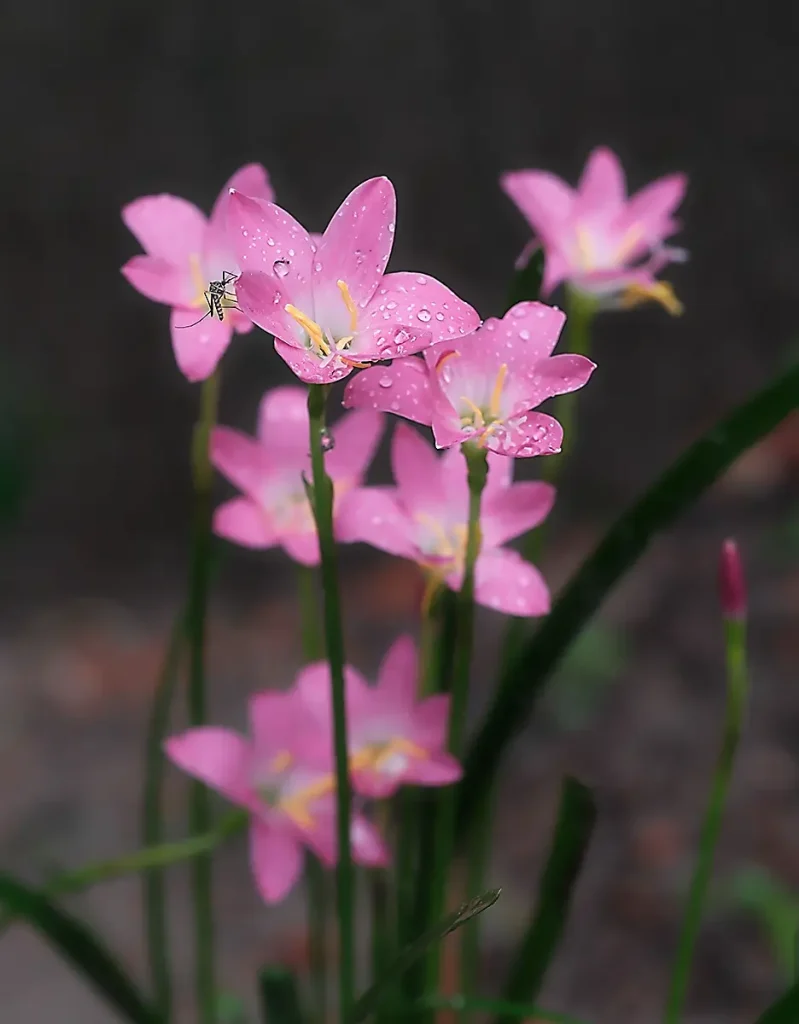
Many photographers associate moody flower photography with heavy editing or controlled studio lighting. However, some of the strongest atmospheric images appear naturally during changing weather conditions. Mist, light rain, damp vegetation, and overcast skies reduce visual intensity while introducing softer transitions between colors and textures.
Rather than waiting for perfect sunshine, photographers can learn to recognize quieter moments in nature. A flower surrounded by morning fog, delicate water droplets after rainfall, or soft diffused light beneath thick clouds often creates a stronger emotional impression than bright conditions with harsh contrast.
Instead of treating poor weather as a limitation, many photographers begin to see it as an opportunity for discovering calmer floral compositions.
Simplifying the Scene
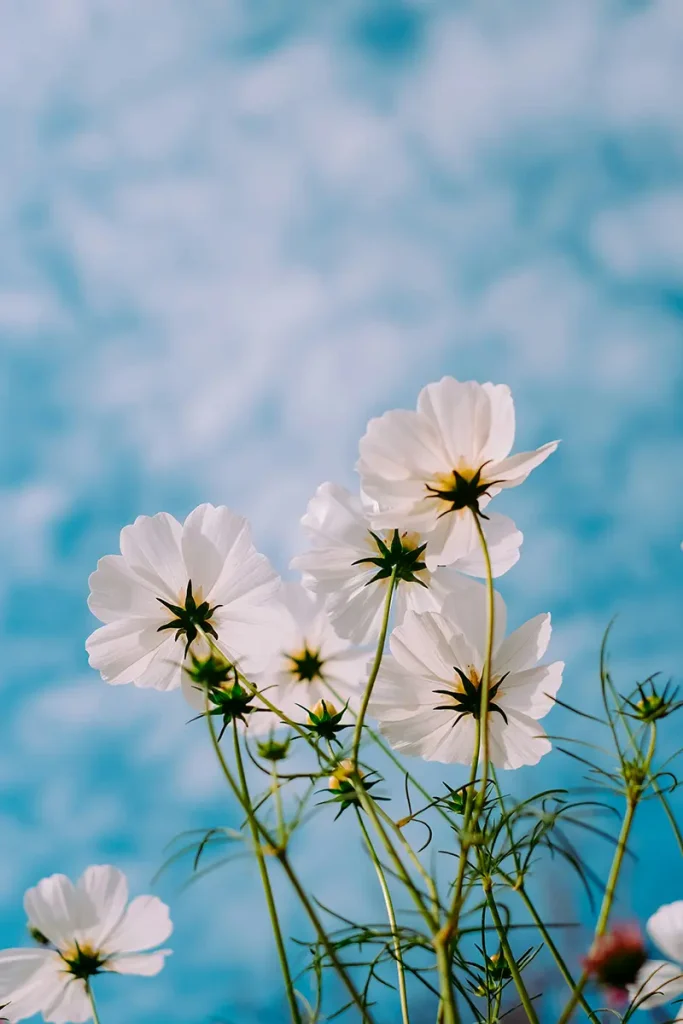
Mood is often strengthened by removing unnecessary visual information rather than adding more elements to the frame. A busy background filled with bright colors, intersecting stems, or distracting highlights may reduce the emotional impact of an otherwise beautiful flower.
Changing the camera position by only a few centimeters, choosing a wider aperture, or allowing distant foliage to dissolve into blur can completely transform the atmosphere of the image. The subject becomes easier to observe because fewer competing elements remain inside the composition.
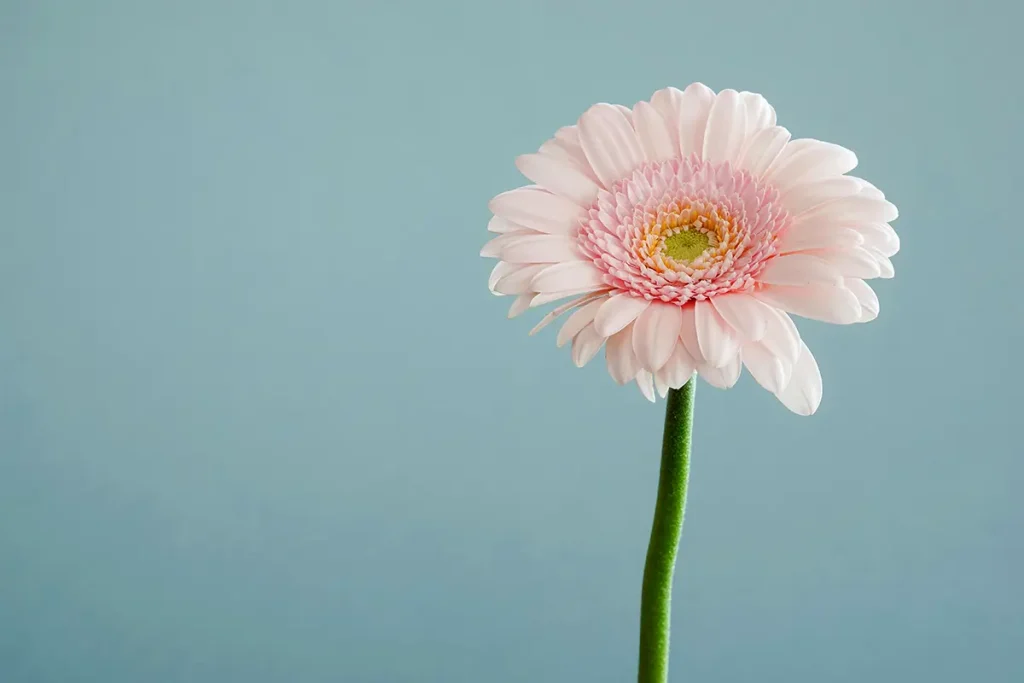
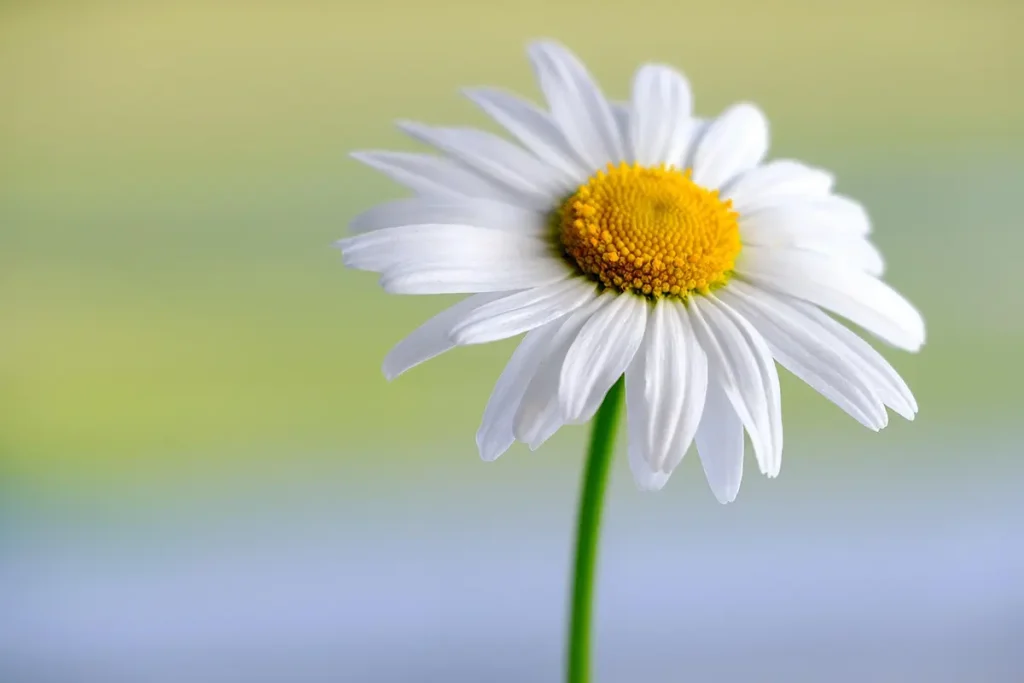
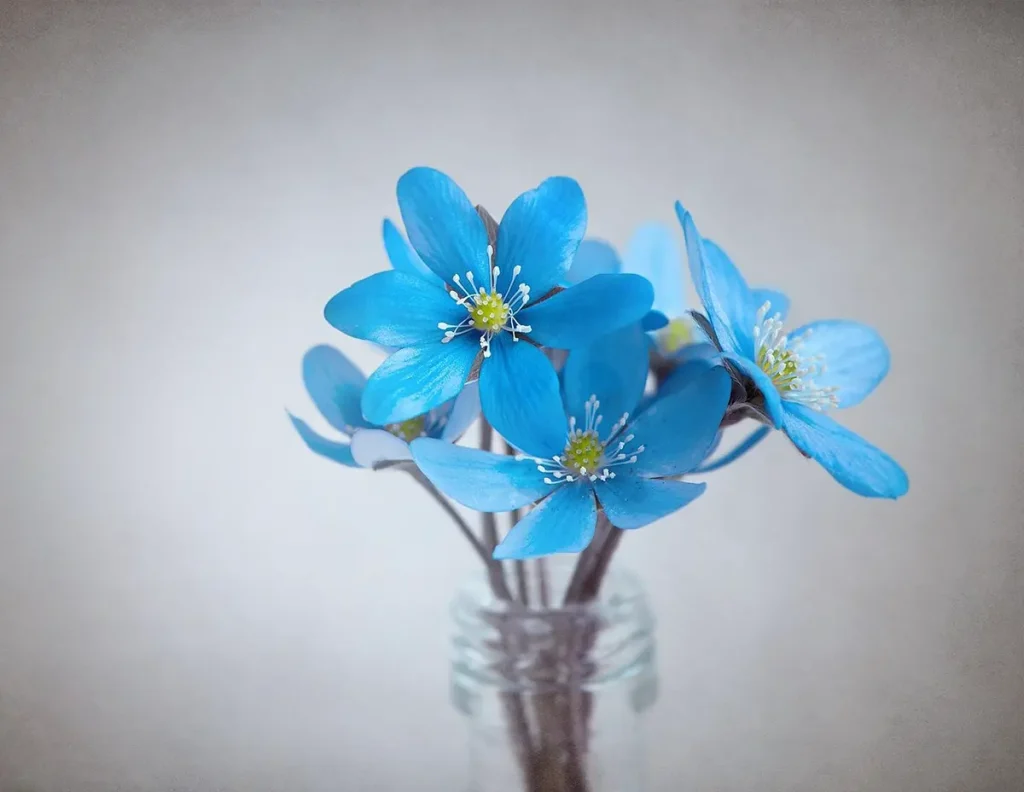
Many atmospheric flower photographs rely on visual restraint. Simplicity allows texture, light, and subtle color relationships to become the primary subjects instead of visual complexity.
Developing Your Own Visual Style
Mood is not created by copying a particular editing style or searching for darker colors. It gradually develops through observation and repeated attention to light, weather, background relationships, and the emotional character of different flowers.
Some photographers are naturally drawn to quiet woodland scenes, while others discover atmospheric images beside rivers, after rainfall, or during the first hours of daylight. Over time, these visual preferences begin to shape a recognizable photographic style.
Rather than trying to reproduce someone else’s work, it is often more rewarding to recognize the environmental conditions that consistently attract your own attention. Personal style grows from repeated observation rather than from repeating identical techniques.
Looking for more inspiration? Browse our Flower Photography category to explore articles on creative flower photography ideas, artistic styles, and practical techniques
Finding Atmosphere in Ordinary Places
One of the most rewarding aspects of moody flower photography is that dramatic locations are rarely necessary. A quiet woodland path, a shaded garden, the edge of a river, or even a single flower growing beneath surrounding vegetation can all become visually compelling under the right conditions.
Atmosphere is often discovered rather than created. Changes in weather, softer natural light, mist, fading daylight, or gentle rain constantly reshape familiar scenes without altering the flowers themselves. Learning to recognize these temporary moments gradually becomes more valuable than searching for unusual subjects.
Many memorable floral photographs are made because photographers return repeatedly to the same locations and notice how light, moisture, and seasonal changes transform the mood over time.
Conclusion
Moody flower photography is not defined by darkness alone. It emerges through the relationship between atmosphere, light, weather, texture, and visual simplicity. Instead of pursuing technical perfection, many photographers discover that quieter scenes often communicate more emotion than brighter or more colorful compositions.
As observation becomes more intentional, flowers begin to reveal subtle qualities that are easily overlooked in stronger light. Fog, rain, shadows, muted colors, and gentle background blur all contribute to images that feel calmer, more intimate, and visually distinctive.
Rather than following a fixed formula, developing a personal sensitivity to these changing conditions allows each photographer to interpret flowers in a more individual way.
Photographers interested in exploring this visual approach further can continue with artistic flower photography, where atmosphere, composition, and expressive floral interpretation become the central focus.
