

Introduction
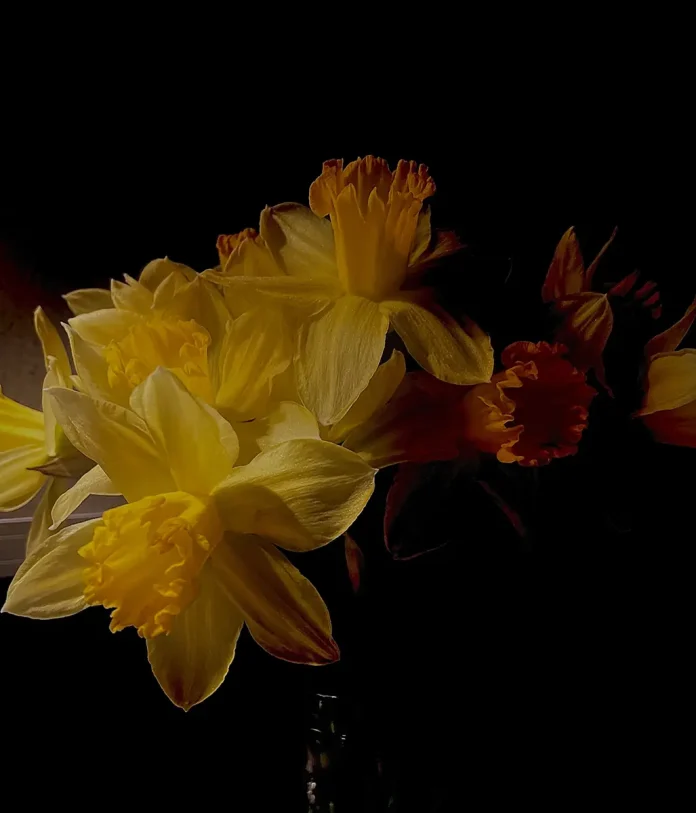
Most flower photographs are made in open light where colors appear vivid and every detail is clearly visible. Yet many of nature’s quieter moments exist beyond direct sunlight. Beneath tree canopies, beside old stone walls, or along shaded woodland paths, flowers often receive only fragments of light. Instead of diminishing their beauty, these shadows reshape the entire visual experience.
Flowers in shadow invite photographers to slow down. Rather than relying on bright colors or dramatic locations, attention shifts toward subtle contrast, gentle transitions, and the relationship between illuminated petals and the darker environment surrounding them.
Learning to recognize these moments expands the way flowers are photographed. Instead of searching only for perfect weather, photographers begin noticing opportunities hidden within ordinary light.
Photographers seeking a broader understanding of composition, natural light, and floral subjects may also enjoy exploring Flower Photography, which introduces different approaches to photographing flowers before developing more personal visual styles.
Topics
When Shadows Become Part of the Subject
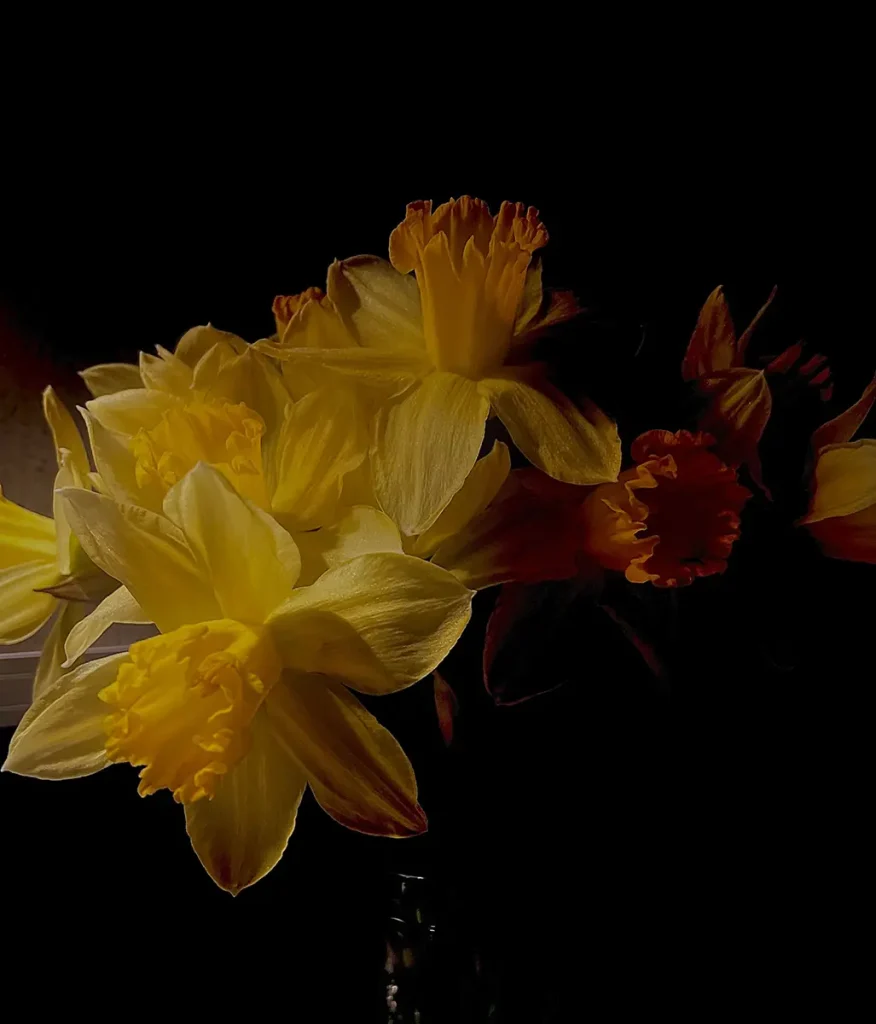
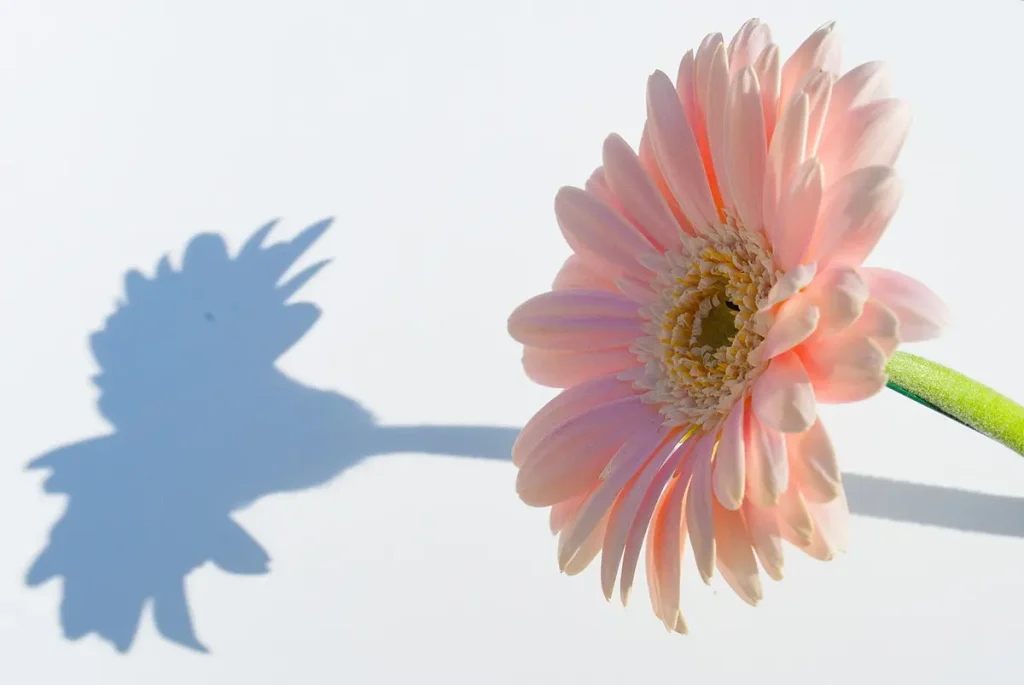
Shadows are often treated as something to avoid. They hide detail, reduce color intensity, and create stronger tonal differences across the frame. Yet these same characteristics can transform an ordinary flower into a more thoughtful composition.
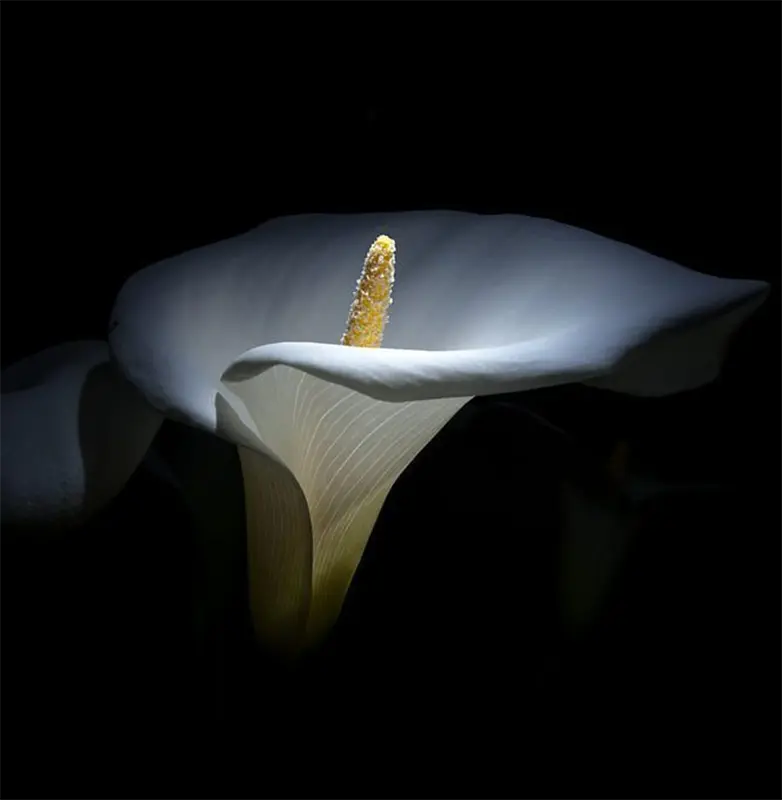
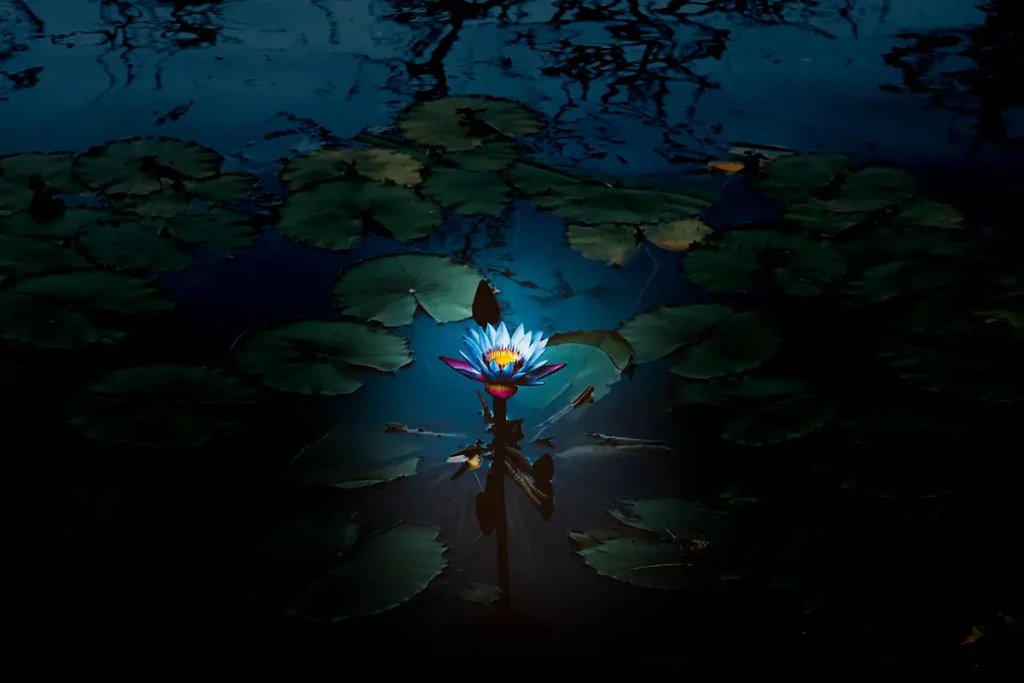
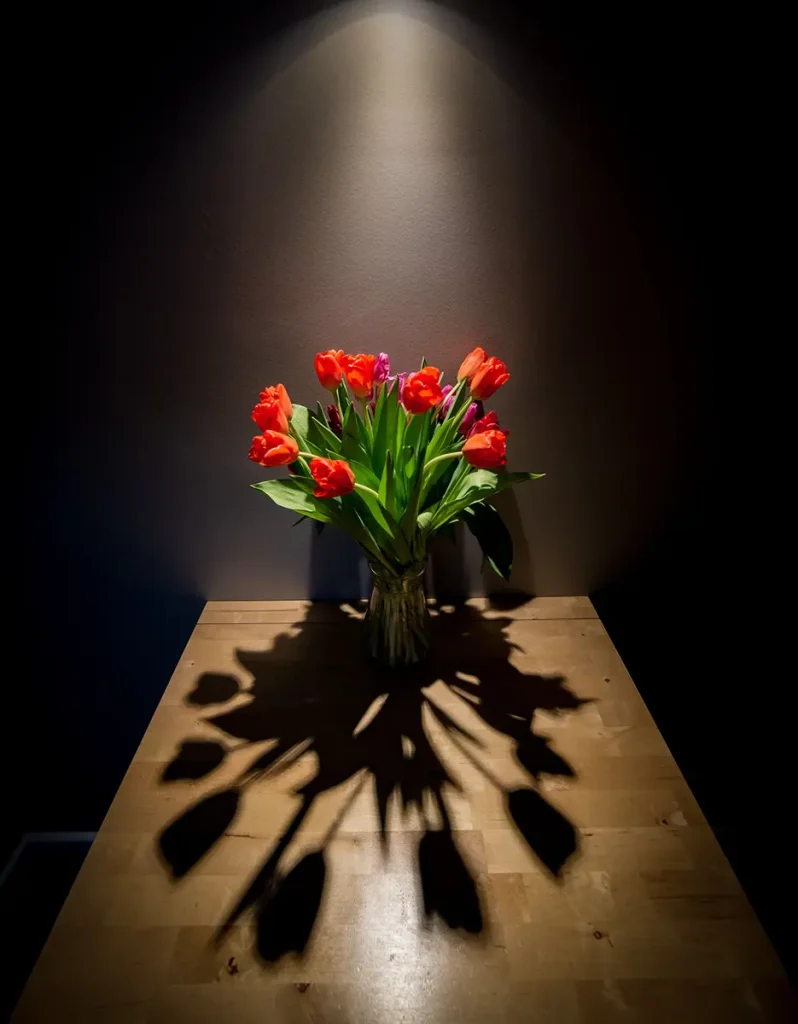
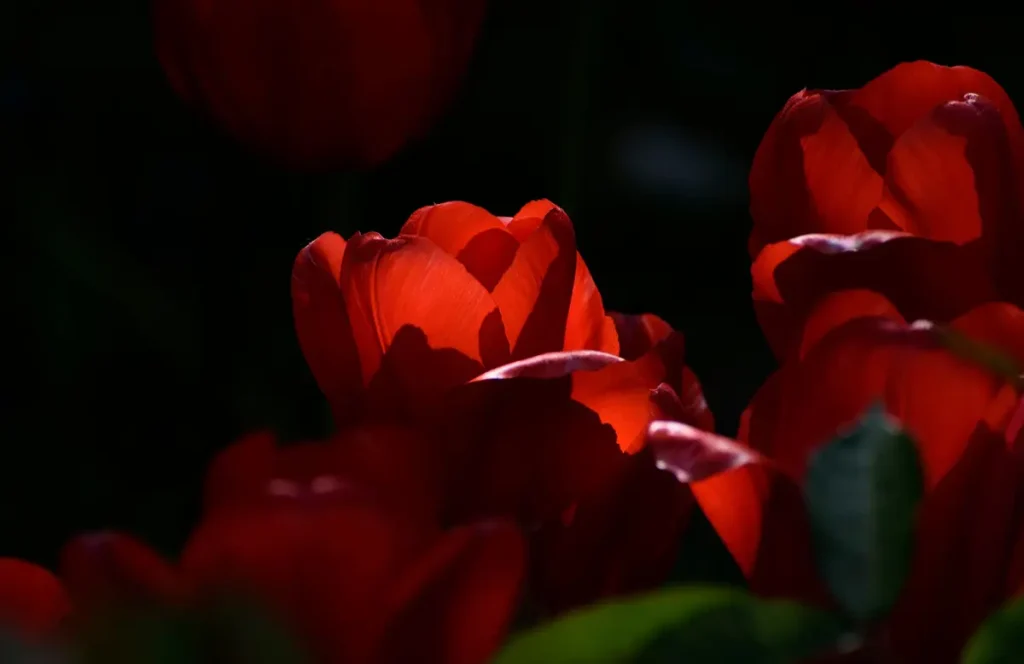
Instead of revealing every petal equally, partial light directs attention toward selected areas of the flower. The surrounding darkness becomes part of the visual story rather than empty space. In many cases, the viewer spends more time exploring the photograph because not everything is immediately visible.
This slower visual experience is one reason shadowed floral images often feel calmer than brightly illuminated scenes.
Discovering Light Instead of Chasing It
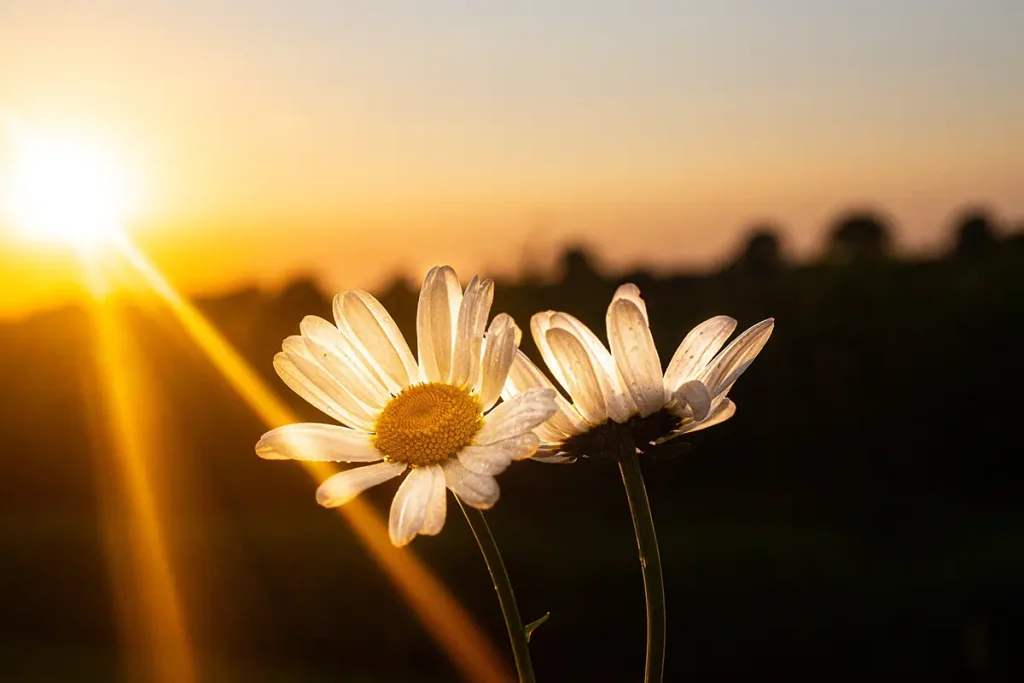
Many photographers instinctively move toward brighter locations. However, flowers growing just beyond direct sunlight often offer richer visual possibilities. A narrow beam of morning light crossing a shaded garden may create stronger separation than photographing the same flower entirely in sunlight.
Observing how light changes throughout the day becomes more important than searching for spectacular locations. A familiar garden visited in the early morning, during cloudy weather, or after light rain may reveal completely different relationships between brightness and shadow.
Rather than asking where to find beautiful flowers, photographers gradually begin asking where light quietly interacts with them.
This change in observation often leads to photographs that feel more personal because they depend on patience rather than dramatic scenery.
Seeing Layers of Light
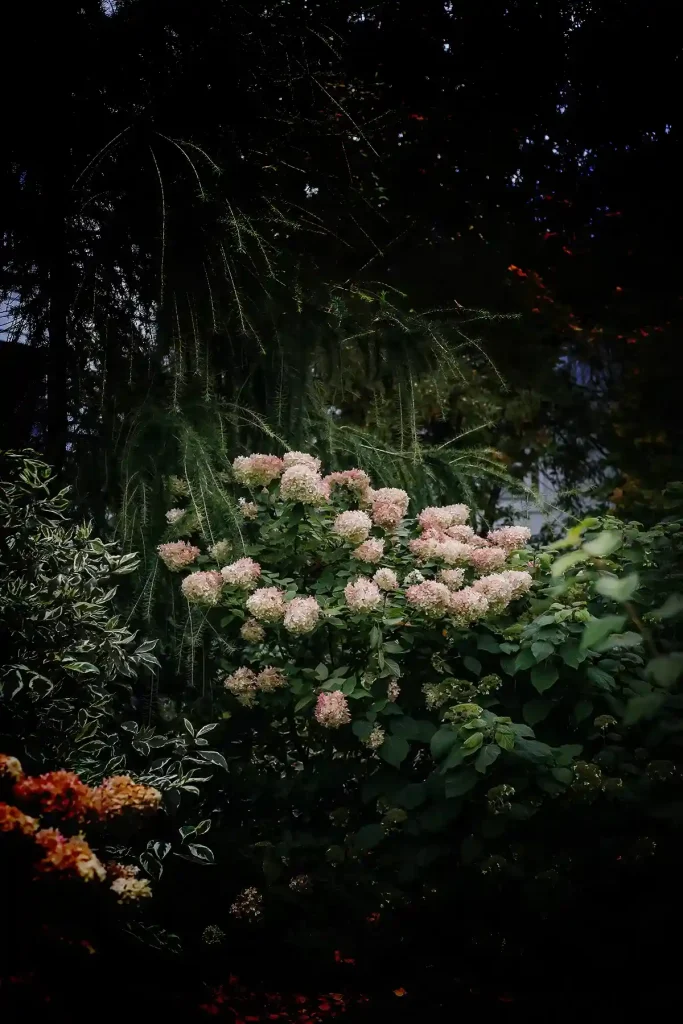
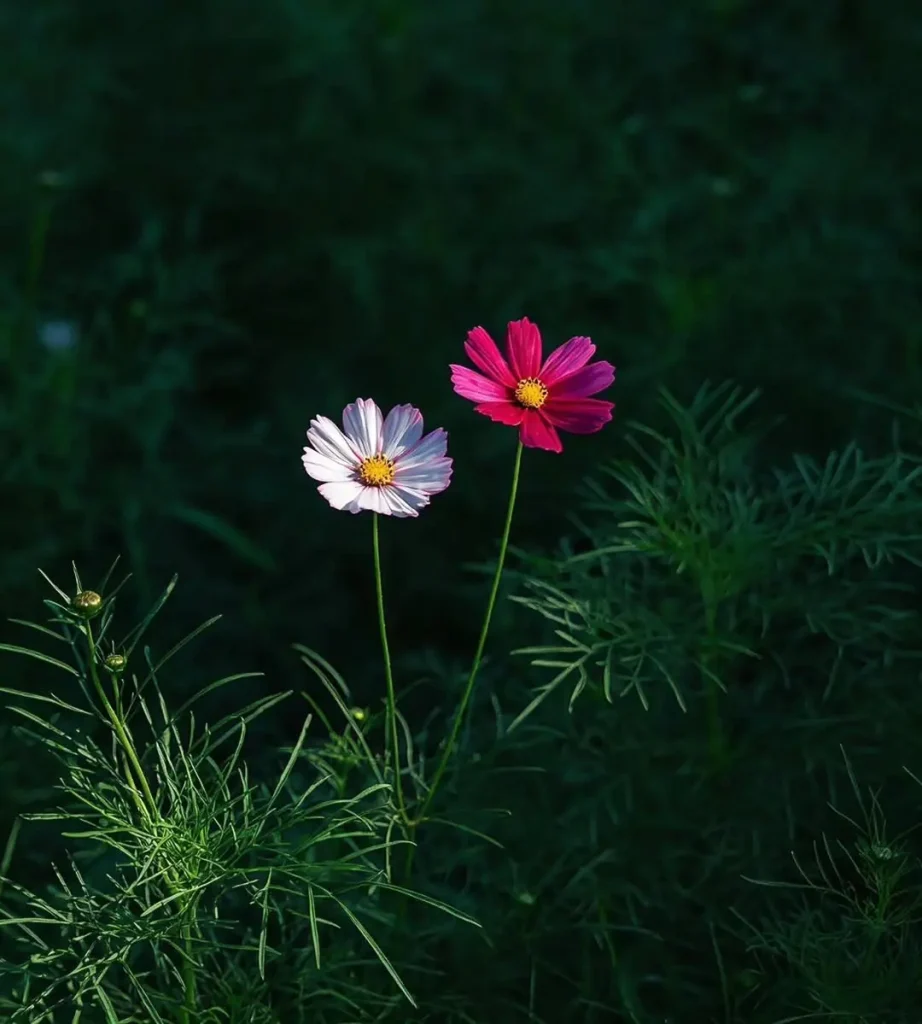
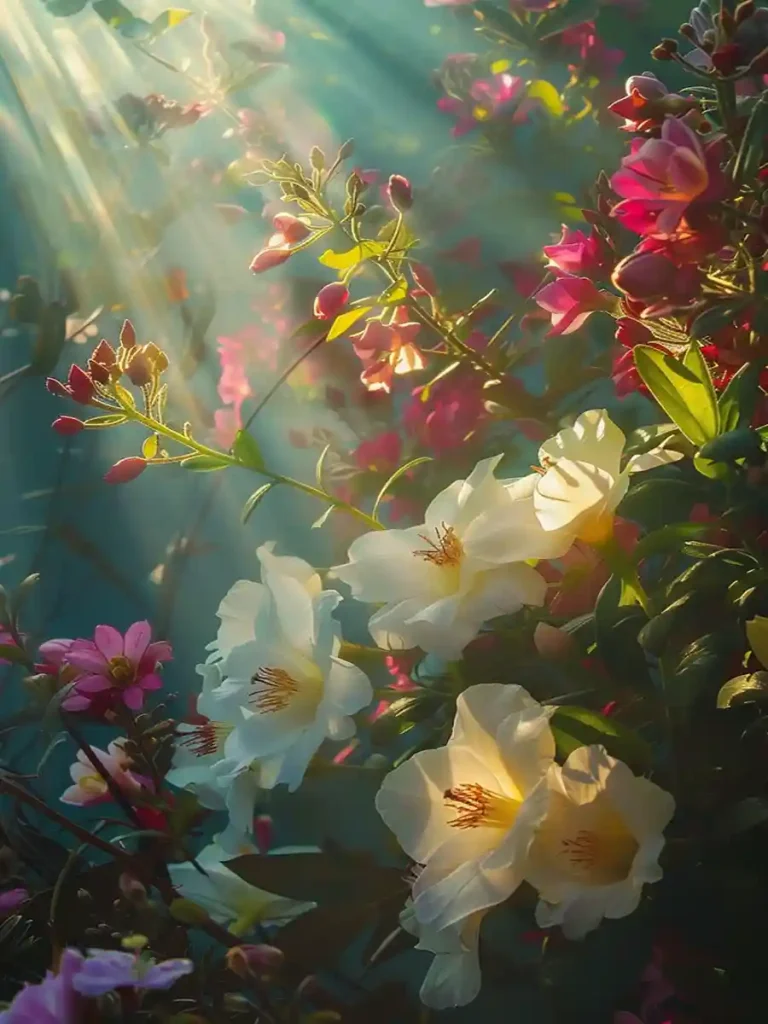
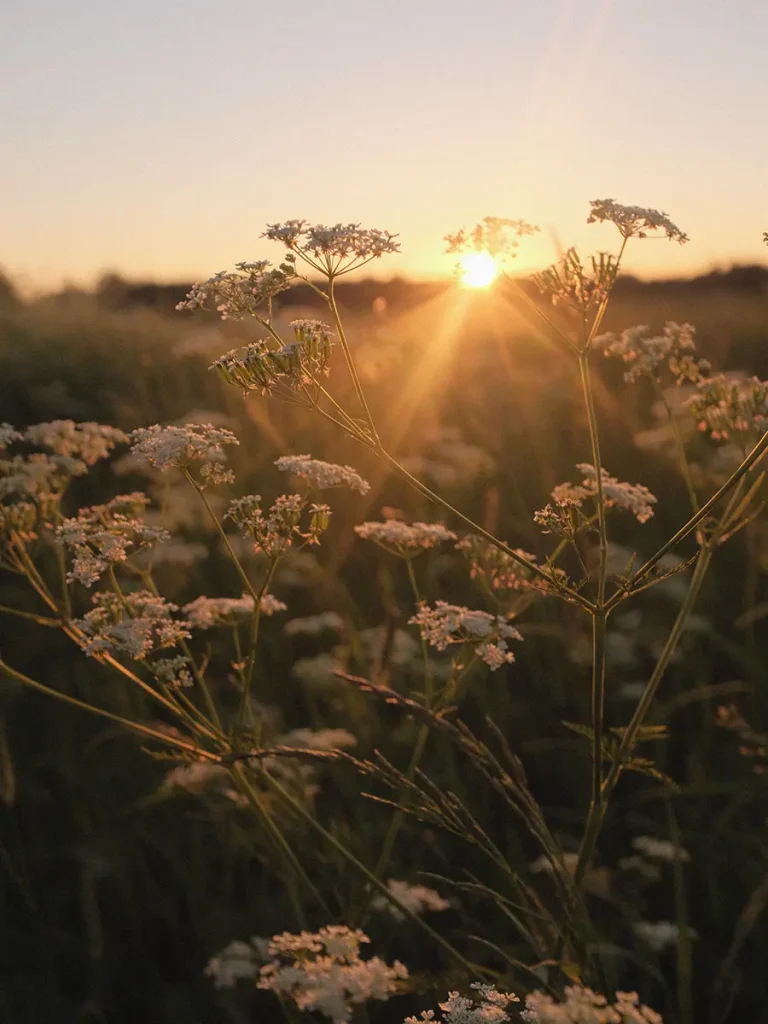
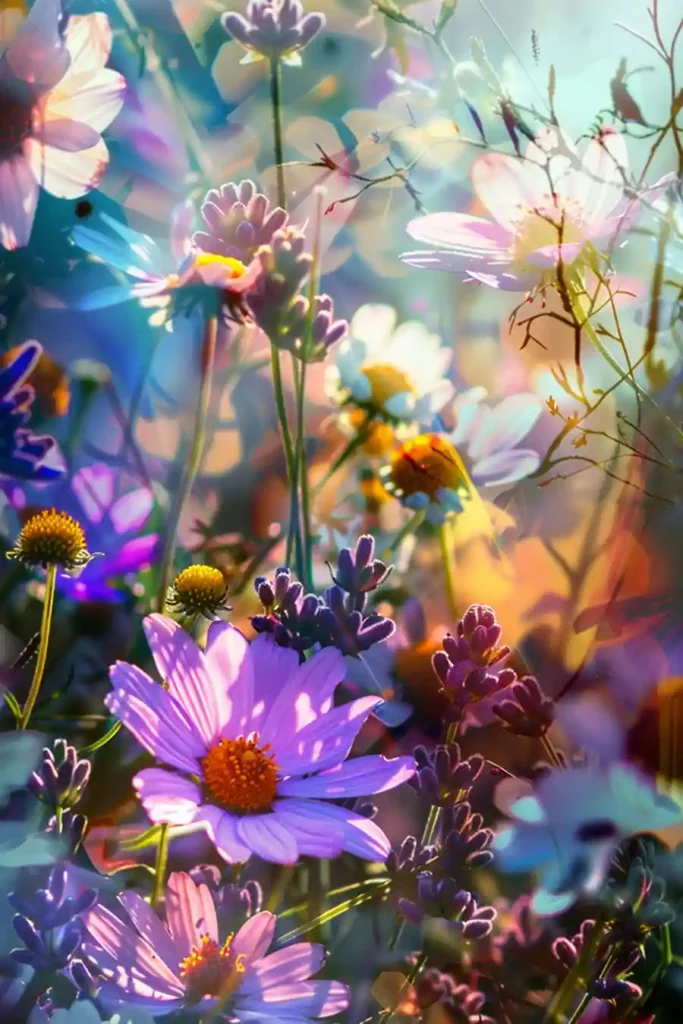
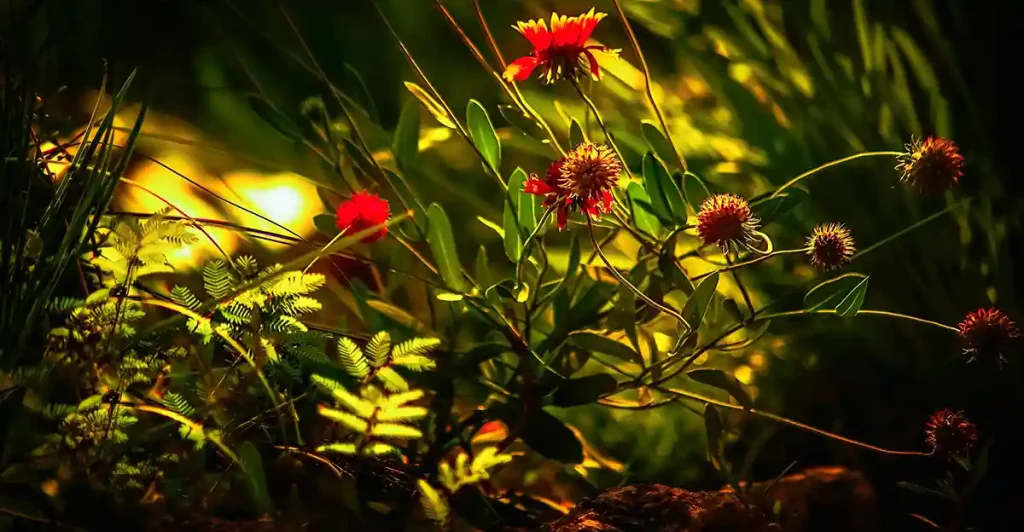
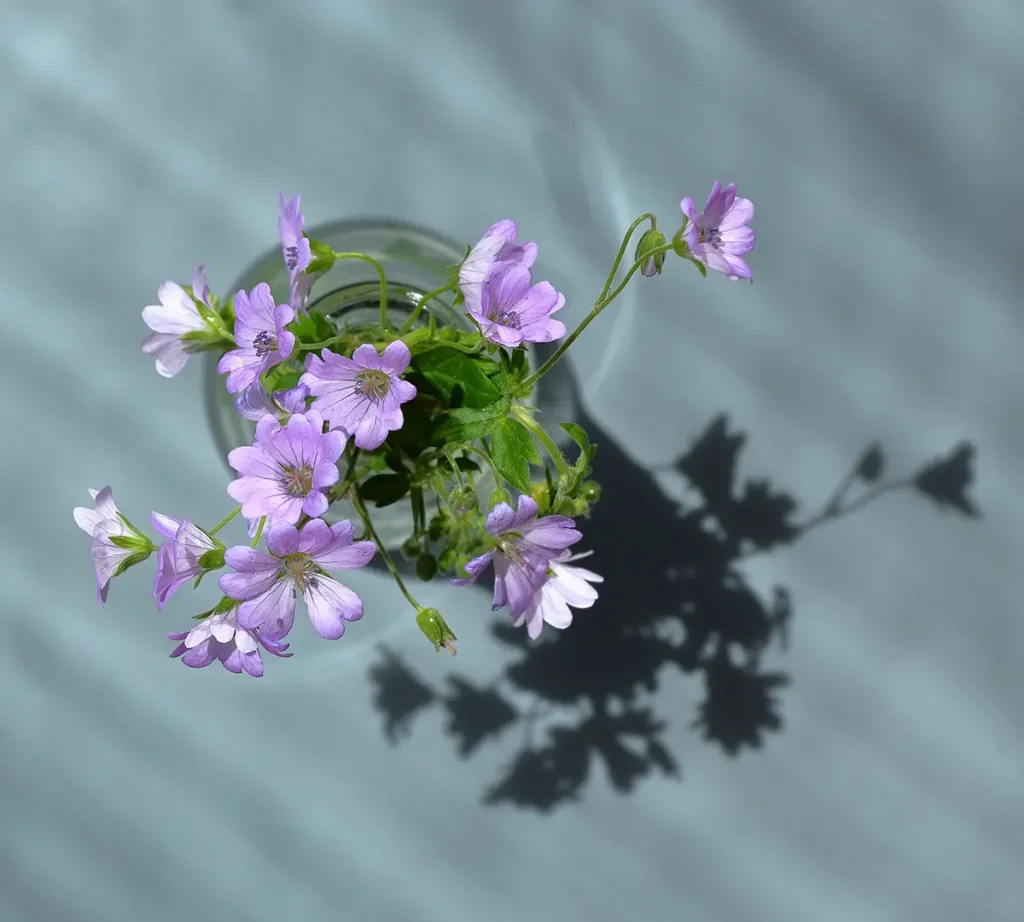
Flowers growing in shaded environments rarely receive light evenly. Leaves, branches, grass, and surrounding vegetation constantly interrupt the sunlight, creating delicate layers of brightness and shadow across the scene. These changing patterns often become more visually interesting than continuous illumination.
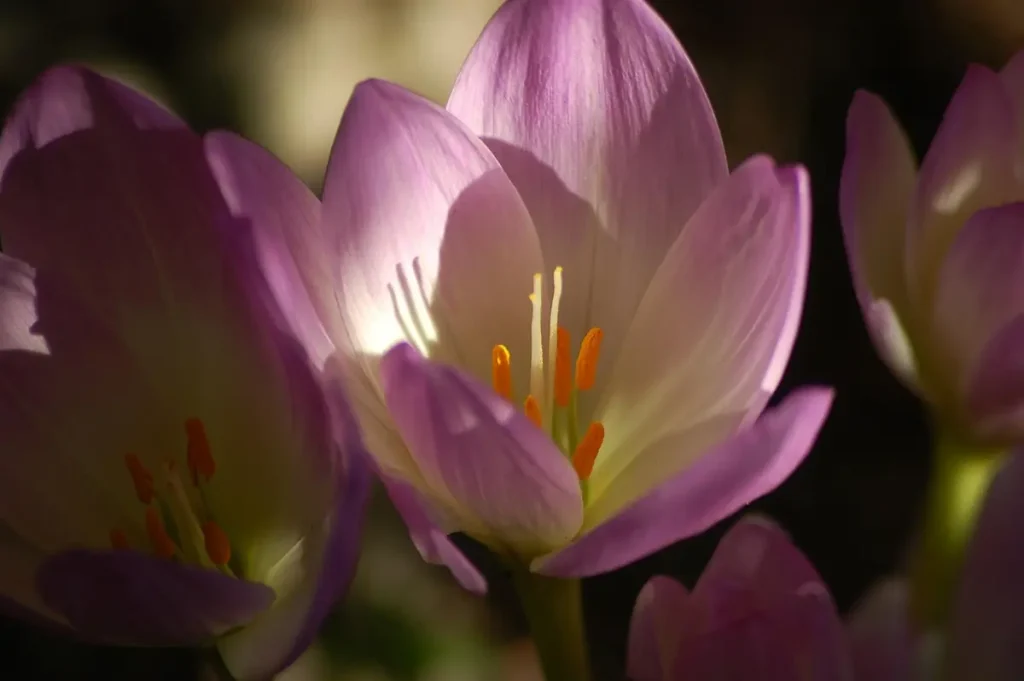
Instead of searching for perfectly lit flowers, photographers can begin observing how light travels through the environment. A narrow opening between leaves may illuminate only a single petal, while the rest of the flower gradually disappears into softer tones. These subtle differences encourage viewers to explore the image rather than understand it immediately.
The most expressive compositions often emerge from these small variations rather than dramatic lighting conditions.
Allowing Shadows to Simplify the Scene
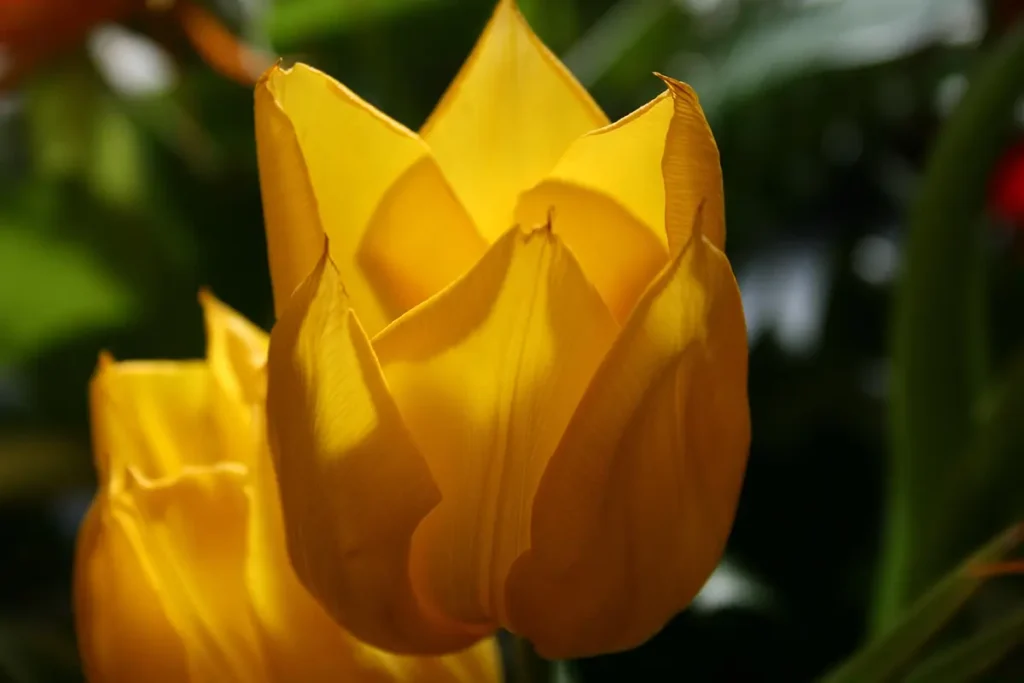
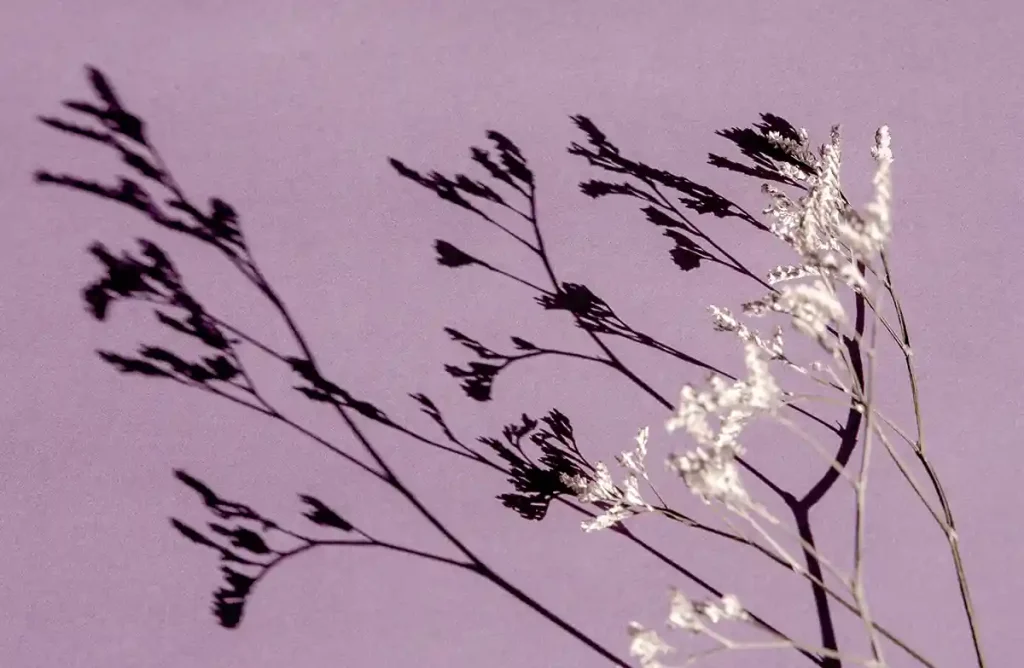
Shadows do more than reduce brightness. They quietly remove unnecessary visual information. Busy foliage, overlapping stems, and distracting textures become less dominant as darker areas merge into a calmer background.
This natural simplification allows the flower to remain visually connected to its surroundings without competing against every surrounding detail. Rather than separating the subject artificially, shadows help organize the composition in a way that feels both natural and intentional.
Many photographers discover that the strongest floral images are created not by adding visual elements, but by allowing light and shadow to decide what remains visible.
Photographers interested in exploring how atmosphere, light, and composition work together can continue with Artistic Flower Photography, in which these visual relationships are the central focus.
Returning to the Same Place
Flowers do not need to change for photographs to become different. The changing position of the sun, passing clouds, morning mist, or seasonal foliage continuously reshape the light falling across familiar subjects.
Returning to the same location allows photographers to notice these quiet transformations. A flower photographed beneath deep summer foliage may appear entirely different when autumn light begins passing through thinner branches. Likewise, soft rain or humid air can subtly reduce contrast and create gentler tonal transitions.
Over time, photographers begin to recognize that meaningful images often come from repeated observation rather than constant travel. The landscape remains familiar, but the light never repeats itself.
Similar observations can also be found in Moody Flower Photography, where weather, atmosphere, and subdued light create a quieter emotional character.
Quiet Moments Often Create the Strongest Images
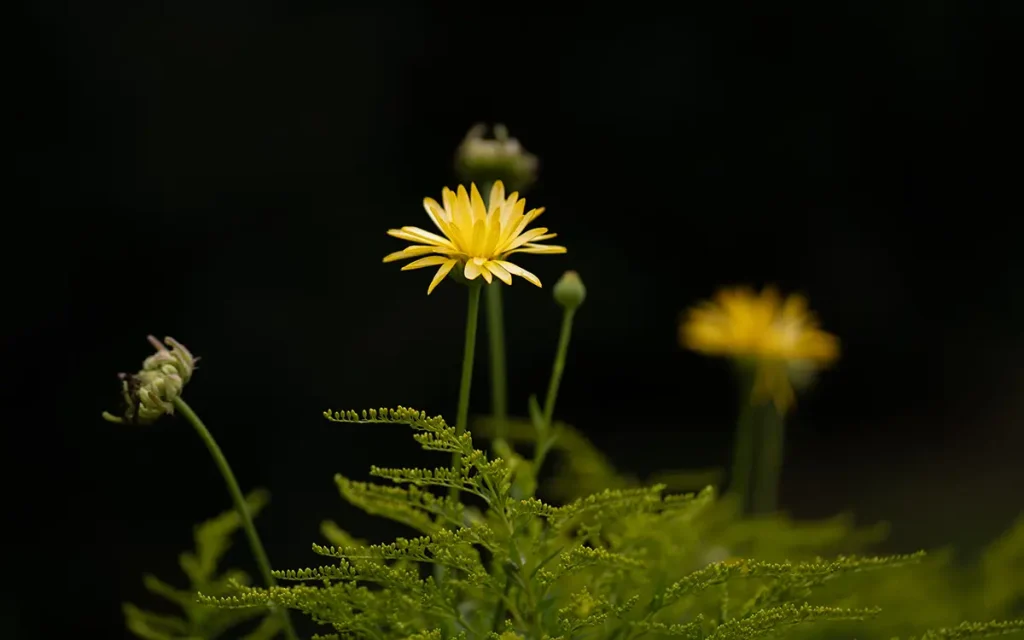
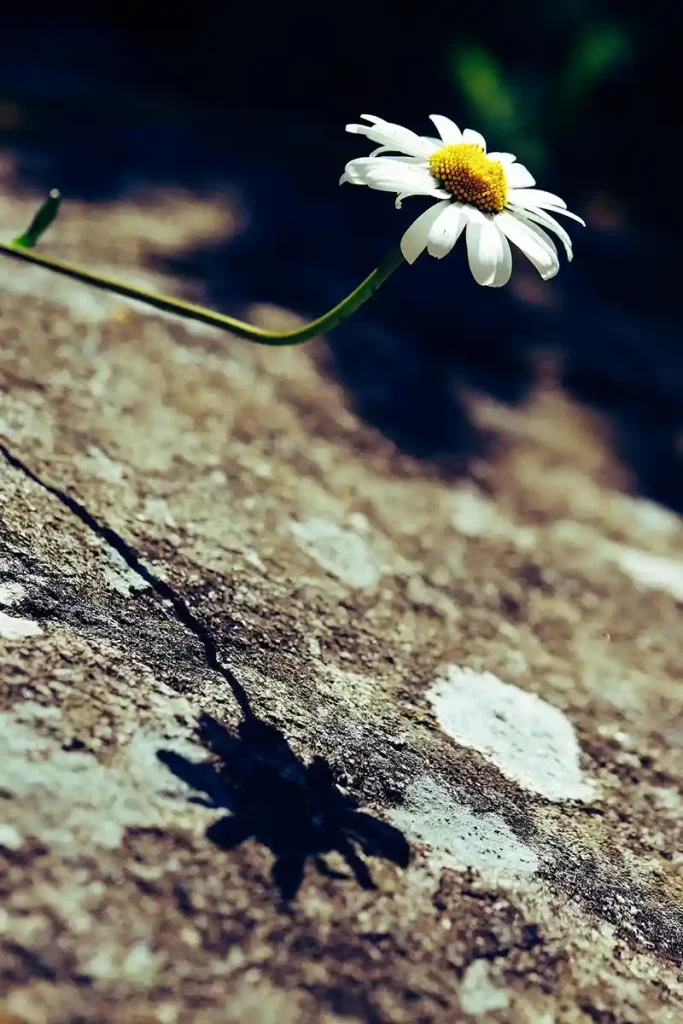
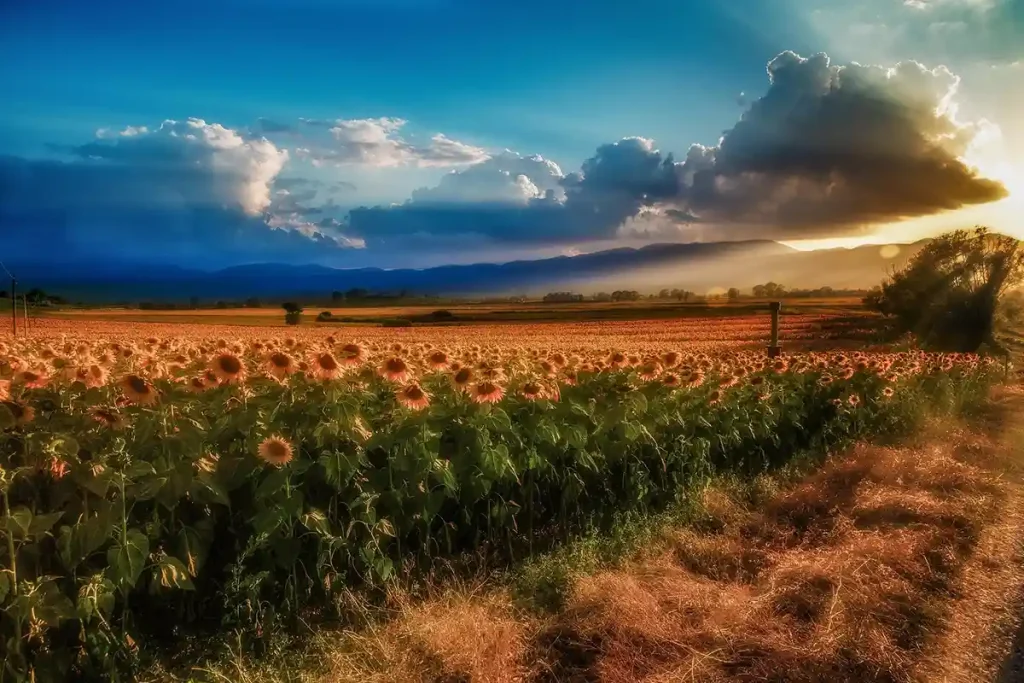
Photographing flowers in shadow is not about making every image darker. It is about recognizing moments when light becomes more selective. A single illuminated petal surrounded by gentle darkness often communicates more than an entire field photographed under bright midday sun.
These quieter scenes encourage slower observation. Instead of immediately revealing every detail, they invite viewers to discover relationships between light, texture, depth, and atmosphere over time. The photograph becomes less descriptive and more interpretive.
Many memorable floral photographs succeed because they preserve this sense of quiet discovery rather than trying to explain everything within a single frame.
Every floral subject can be interpreted in different ways through light, color, atmosphere, and composition. Explore our Flower Photography collection to discover more visual interpretations and creative perspectives on photographing flowers
Conclusion
Flowers growing in shadow reveal a different side of nature. Instead of depending on vivid color or dramatic locations, they encourage photographers to observe subtle changes in light, atmosphere, and visual balance. These quieter conditions often simplify the scene while strengthening its emotional character.
Developing this way of seeing does not require unusual equipment or rare locations. It grows through patience, repeated observation, and a willingness to photograph familiar flowers under changing natural conditions. As attention shifts from technical perfection toward visual relationships, even ordinary scenes begin to offer new photographic possibilities.
