

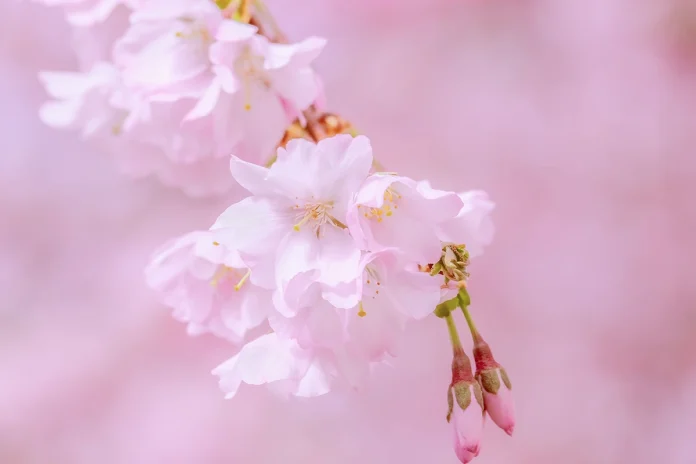
Flowers are often photographed for their vibrant colors, intricate patterns, and striking details. Yet some of the most memorable floral images attract attention for an entirely different reason. They feel gentle rather than dramatic, quiet rather than energetic, and inviting rather than overwhelming. This visual softness rarely comes from a single technique. Instead, it develops through the relationship between light, atmosphere, color, texture, and careful observation.
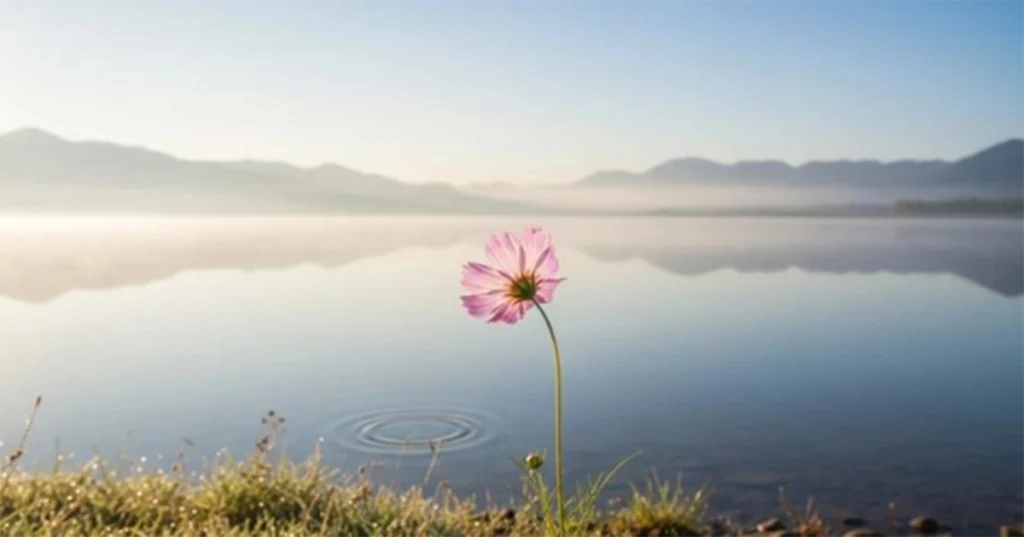
Softness is not the absence of detail. It is the way different elements work together without competing for attention. Morning mist, diffused light, creamy backgrounds, delicate petals, and gradual tonal transitions all contribute to photographs that feel balanced and visually calm.
Rather than searching for extraordinary flowers, photographers often discover softness by observing ordinary subjects under changing natural conditions.
Photographers wishing to explore broader ideas about composition, light, and floral subjects may also find useful inspiration in Flower Photography, where different approaches to photographing flowers are introduced before developing a more personal visual language.
Topics
Softness Begins Before the Photograph
Many photographers associate softness with editing, filters, or shallow depth of field. While these techniques may contribute to the final appearance, softness usually begins much earlier—at the moment a scene is observed.
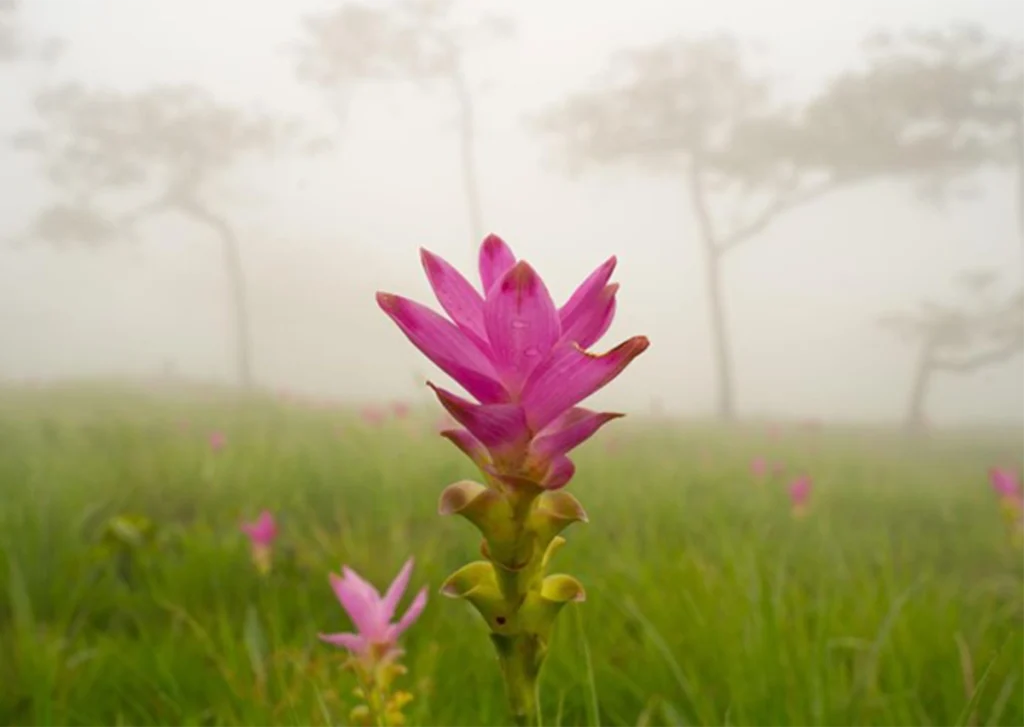
A flower growing beneath thin morning clouds may appear softer than the same flower photographed under direct sunlight. Likewise, flowers surrounded by gently blurred vegetation often feel calmer than subjects isolated against empty backgrounds. These visual qualities exist naturally before the camera is ever raised.
Learning to recognize these conditions gradually changes the way photographers explore gardens, forests, and meadows. Instead of searching only for colorful flowers, attention shifts toward the quality of light and the atmosphere surrounding the subject.
Looking Beyond Sharpness
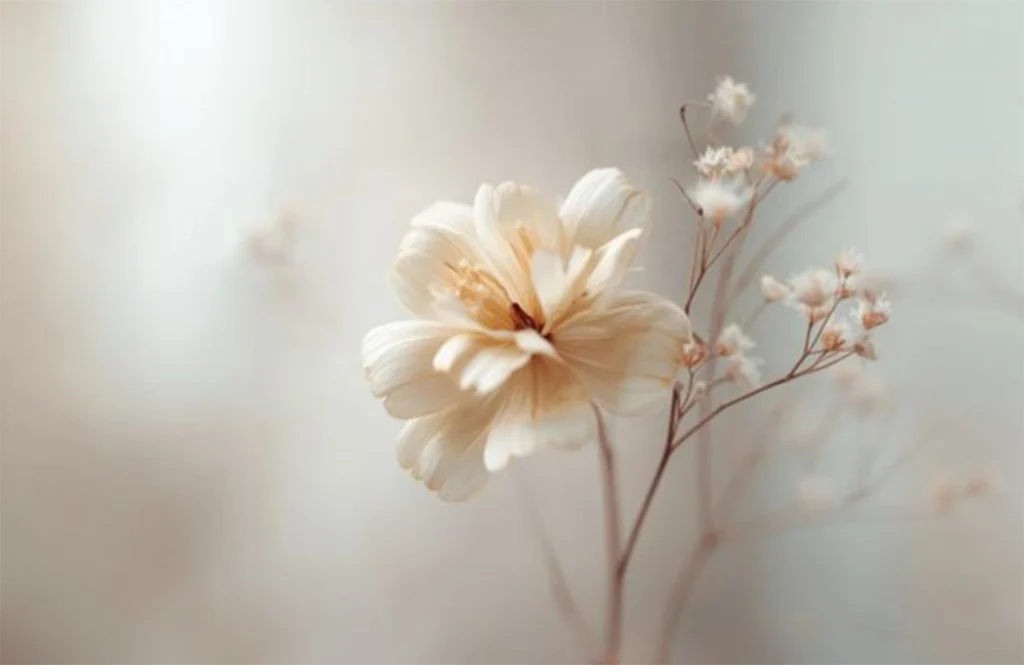
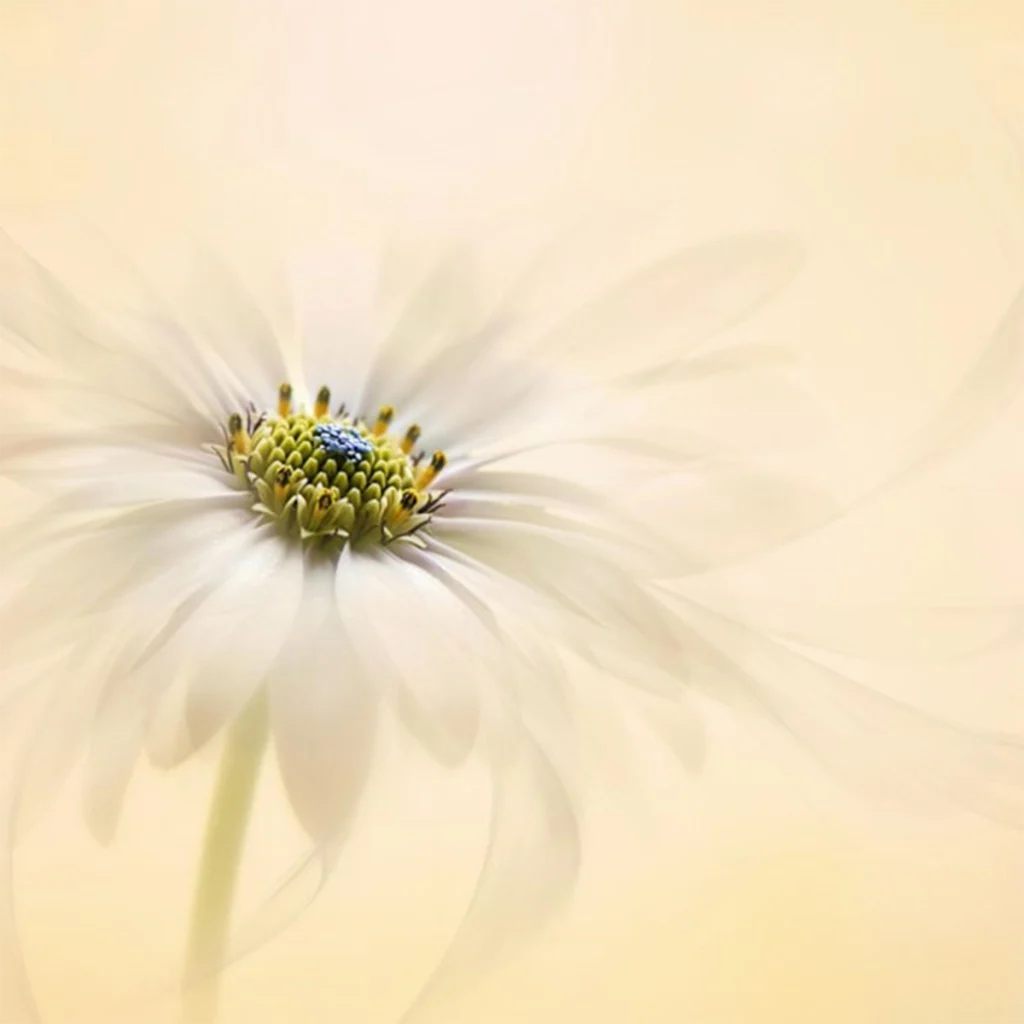
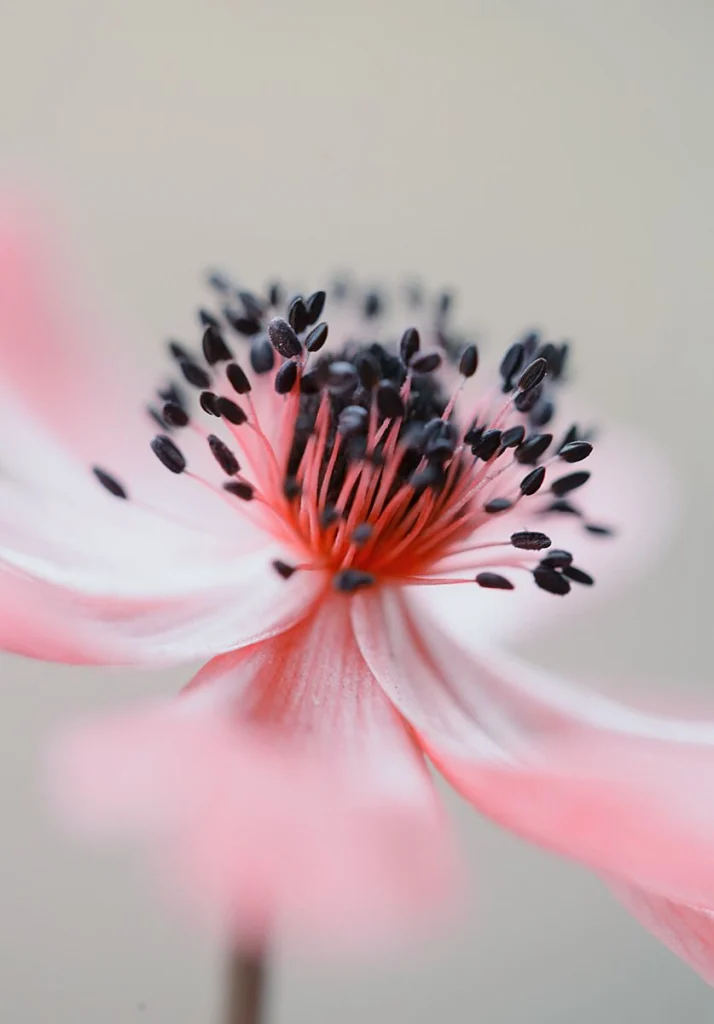
Sharp detail is valuable, but it is not always the strongest visual element in a flower photograph. Some images become more expressive when attention shifts away from absolute clarity and toward atmosphere, gentle transitions, and visual balance.
Small changes in background distance, natural mist, or softly illuminated petals may encourage viewers to experience the photograph as a whole rather than focusing only on individual details. The eye begins to move naturally through the composition instead of stopping at the sharpest point.
Softness does not reduce visual interest. Instead, it changes the way that interest is experienced.
Gentle Color Relationships
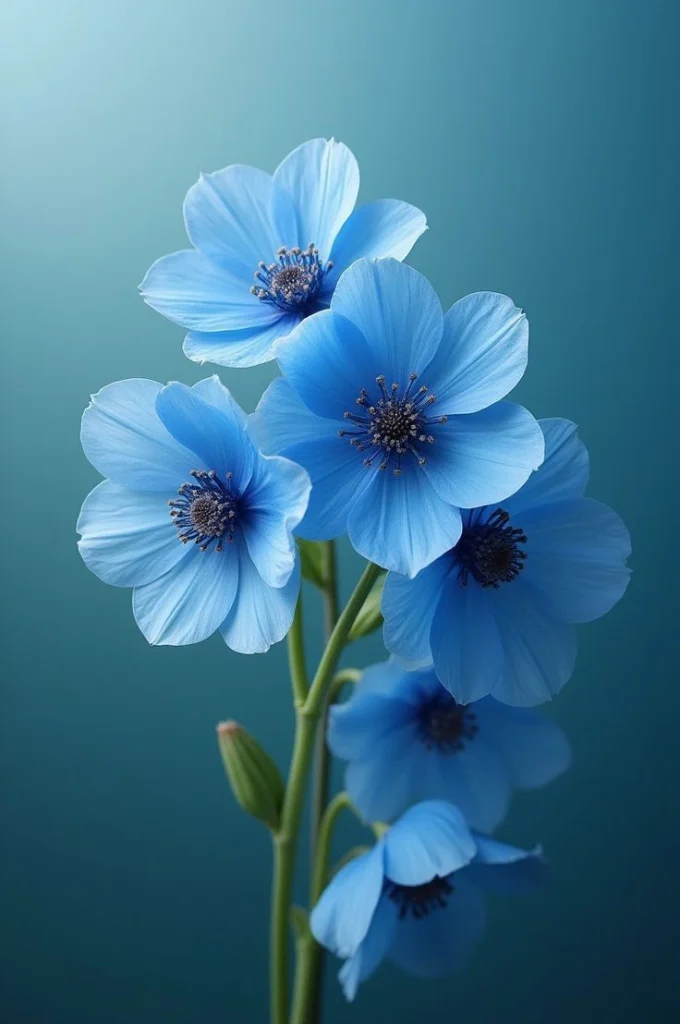
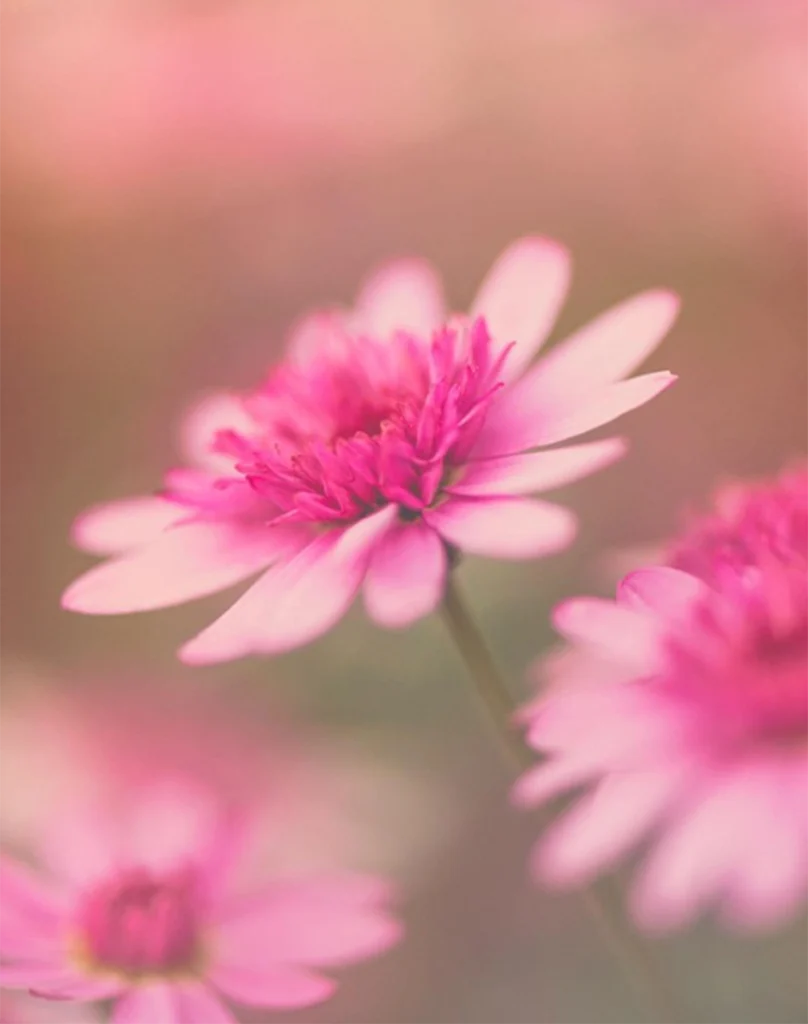
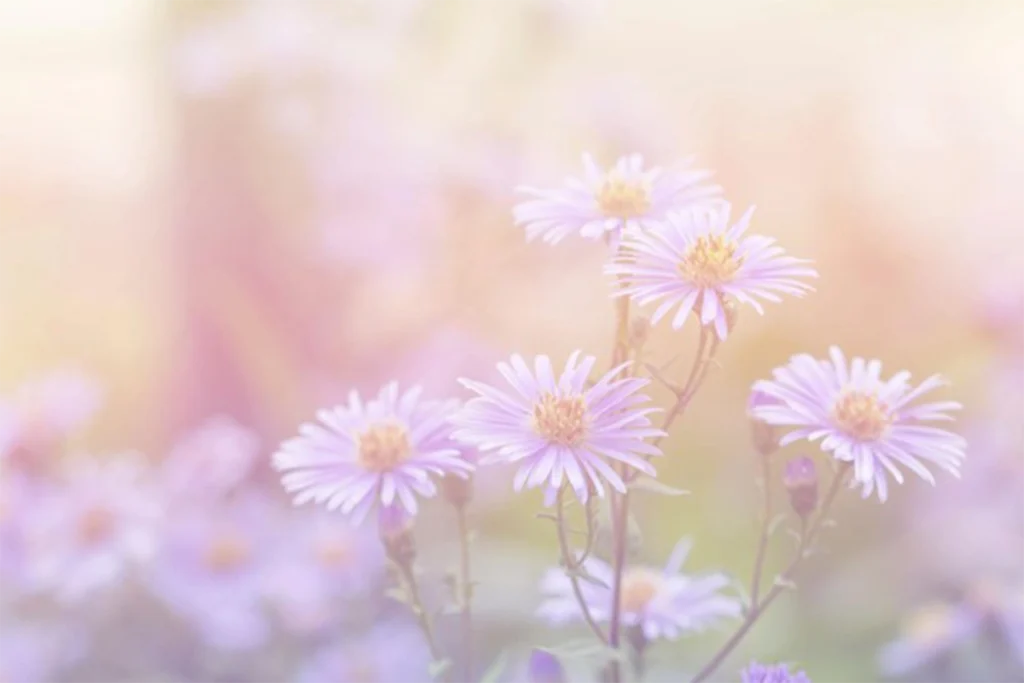
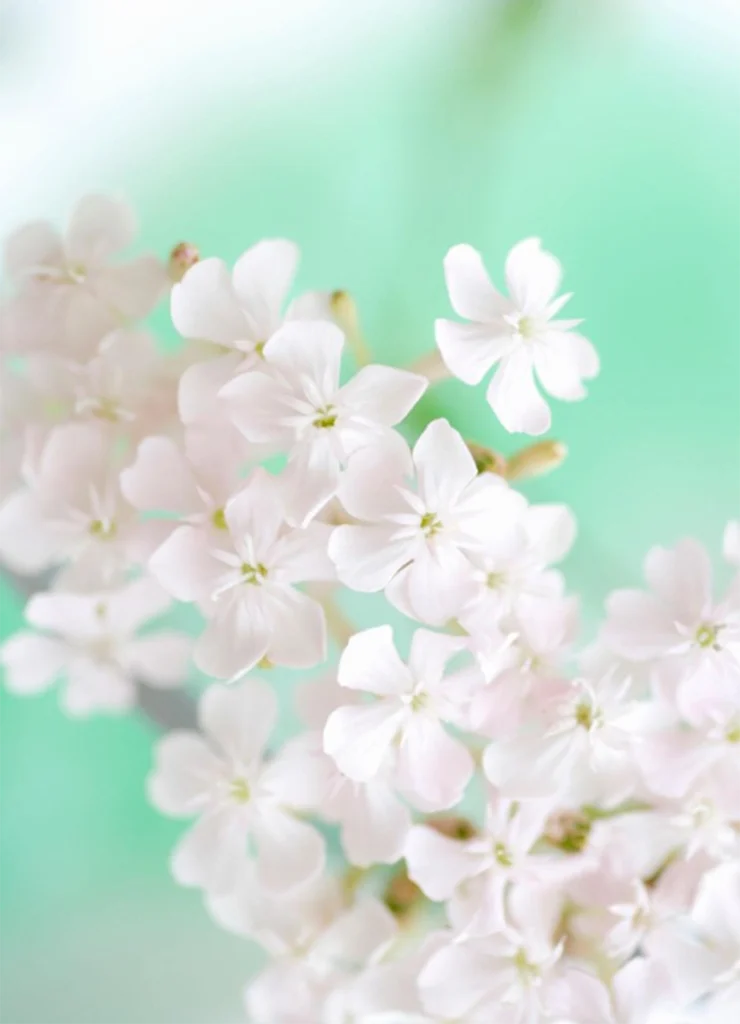
Softness is often influenced as much by color as by light. Flowers photographed against muted greens, pale creams, light grays, or softly blended backgrounds usually create a calmer visual experience than scenes dominated by strong complementary colors.
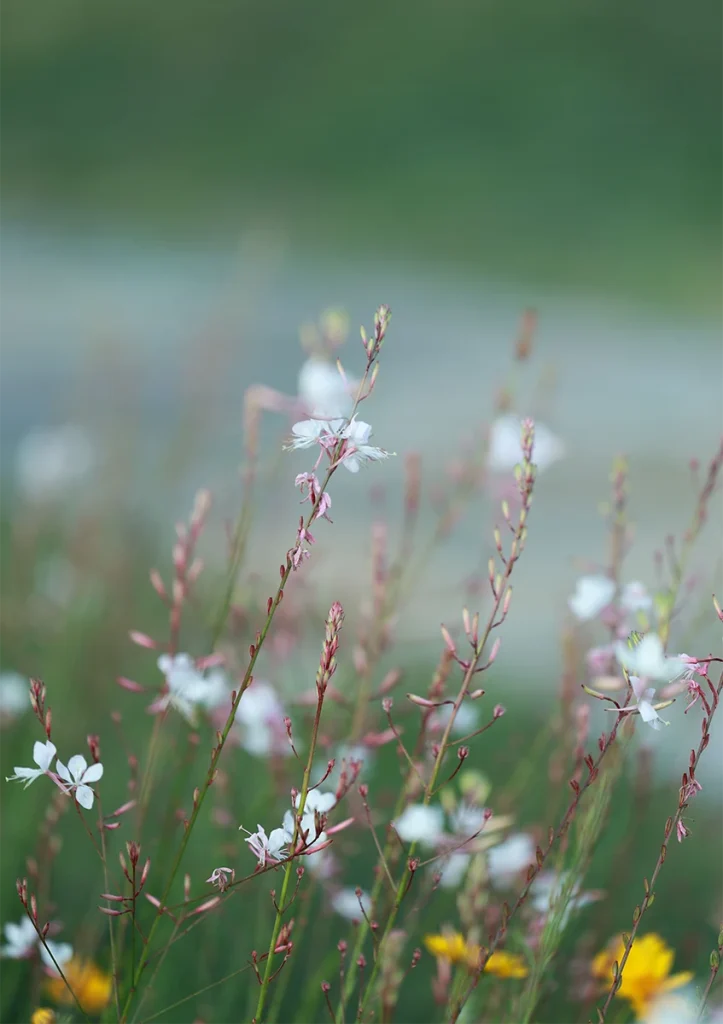
Rather than asking whether a flower is colorful enough, photographers can begin observing whether surrounding colors support or compete with the subject. Sometimes a pale wildflower surrounded by subdued vegetation produces a more balanced composition than a brighter flower growing within visually crowded surroundings.
These quiet color relationships allow the flower to remain visually connected to its environment while still attracting attention.
Letting Space Become Part of the Composition
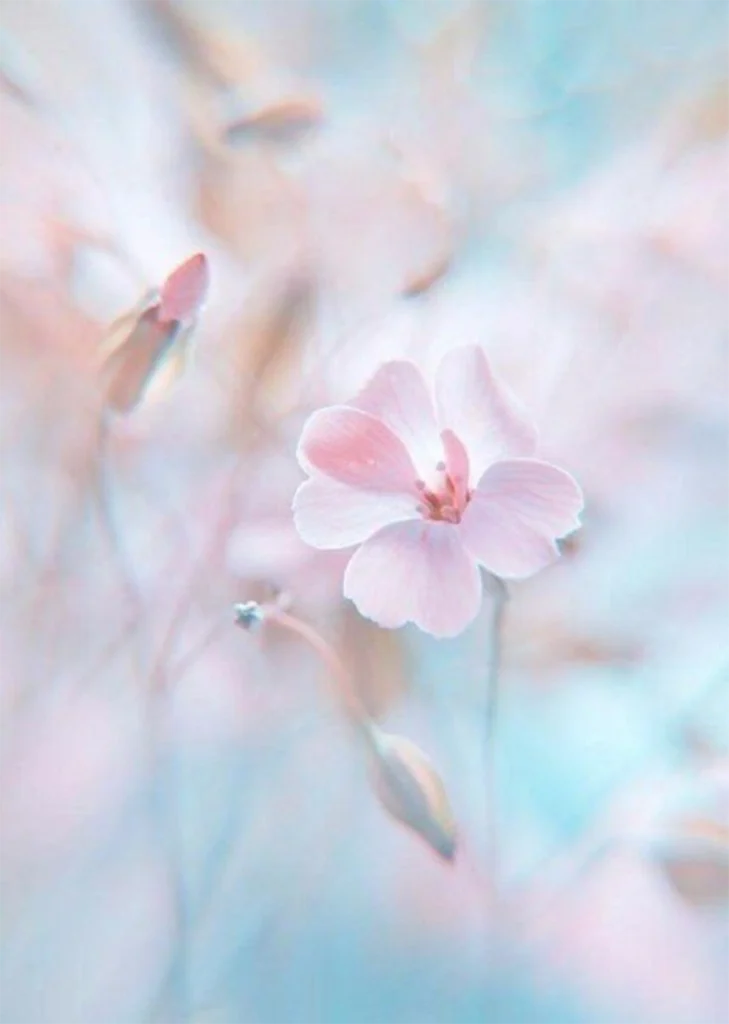
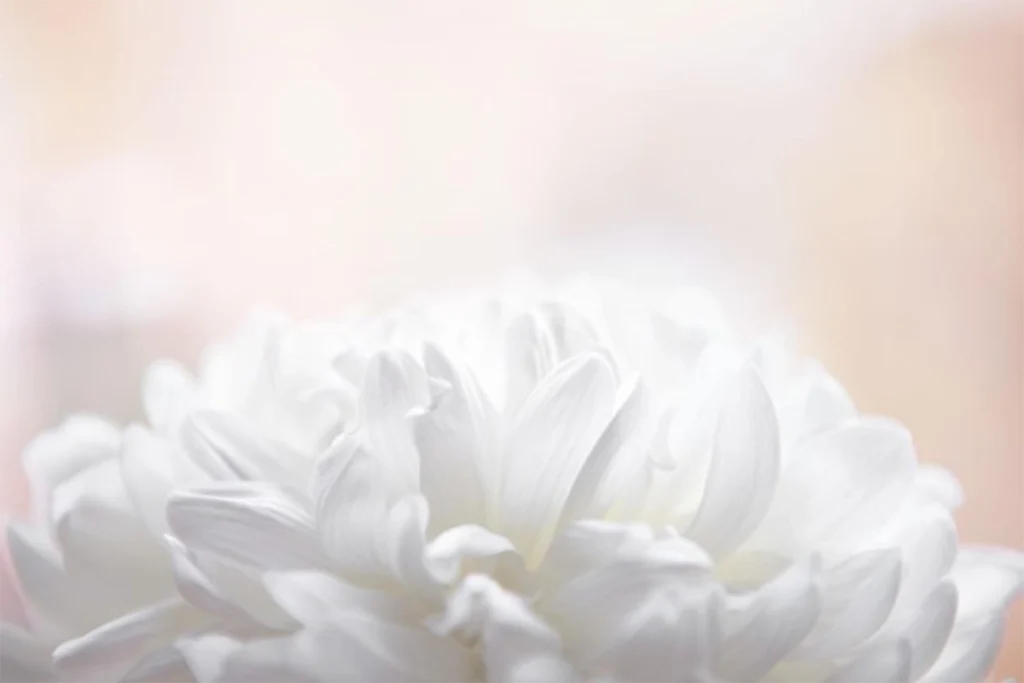
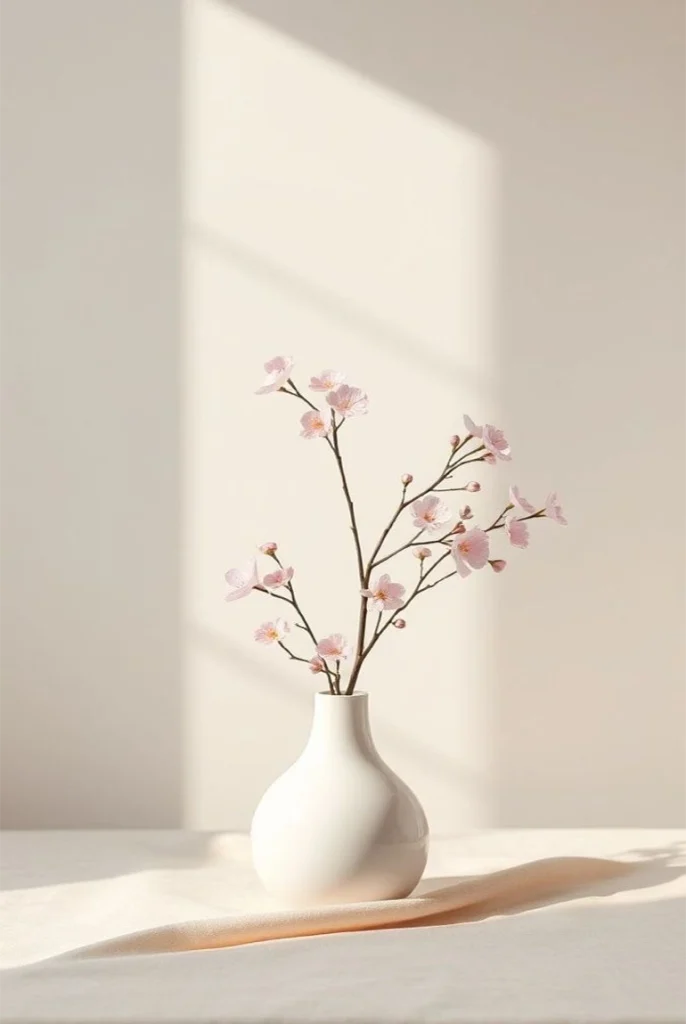
Softness is not created only by the flower itself. Empty space, blurred backgrounds, and gentle transitions all contribute to the overall atmosphere. When every part of the frame demands attention, the composition often feels visually busy. Allowing surrounding space to remain quiet gives the flower room to breathe.
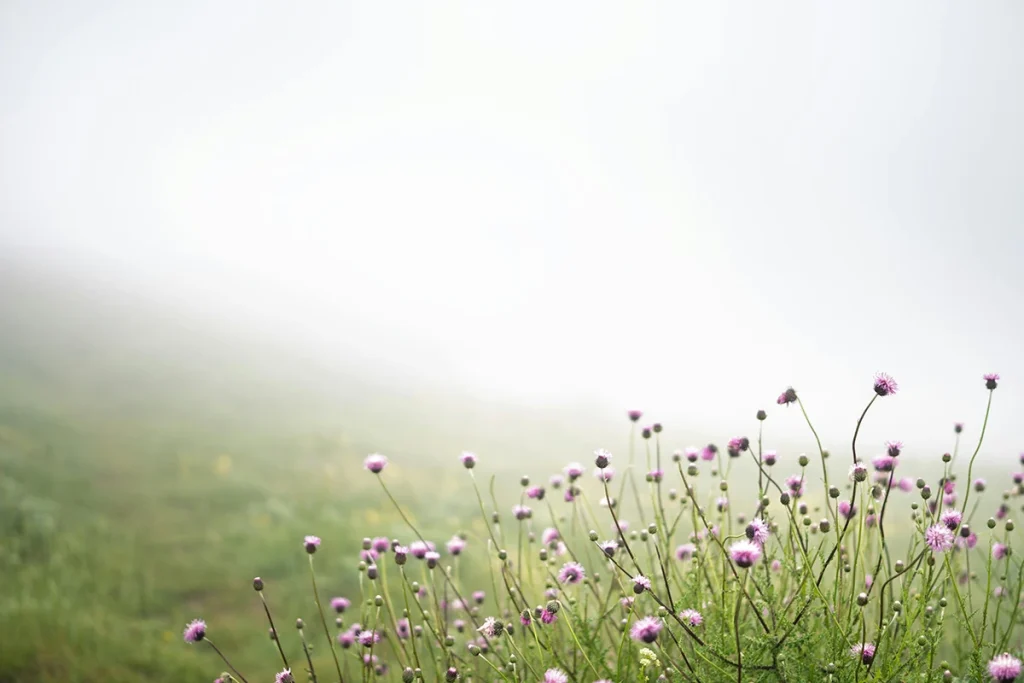
Negative space does not represent emptiness. It creates rhythm, balance, and visual comfort. A single flower surrounded by softly blurred foliage or open background often communicates more effectively than several competing flowers filling the entire frame.
Instead of adding more visual elements, softness frequently emerges by removing distractions.
Photographers interested in developing these visual relationships further can continue exploring Artistic Flower Photography, where atmosphere, composition, and emotional interpretation become the primary focus.


For a closer look at flowers as carefully composed visual forms, visit the Fine Art Flower Photos collection.
Softness Changes with the Weather
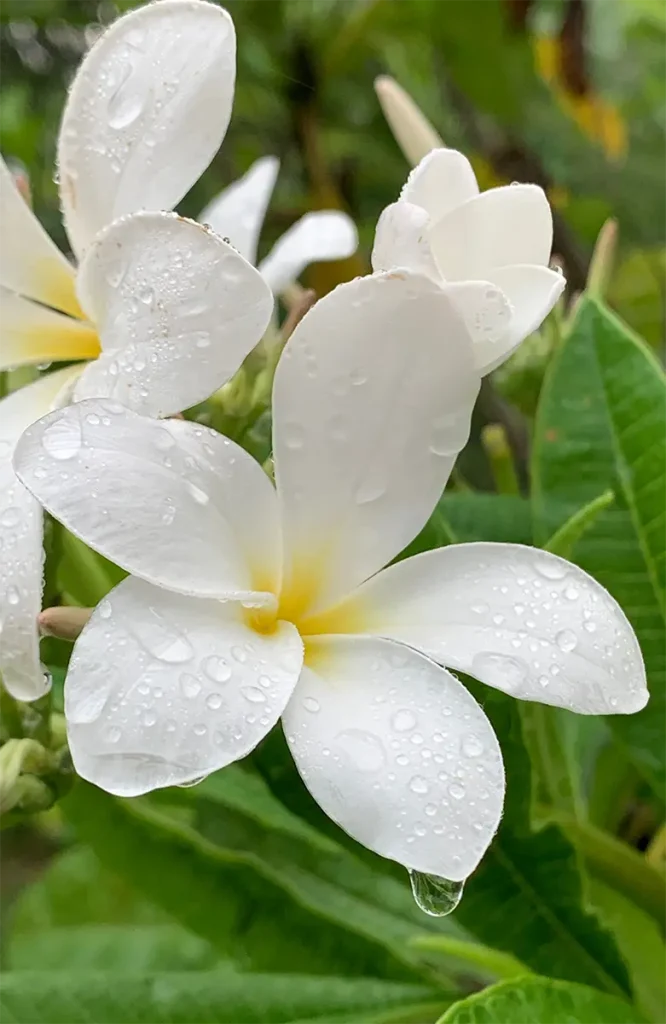
The character of a flower rarely remains the same throughout the day. Morning mist, light rain, thin cloud cover, or humid air gradually soften contrast and reduce the intensity of direct sunlight. These changing conditions affect not only the flower itself but also the surrounding environment.
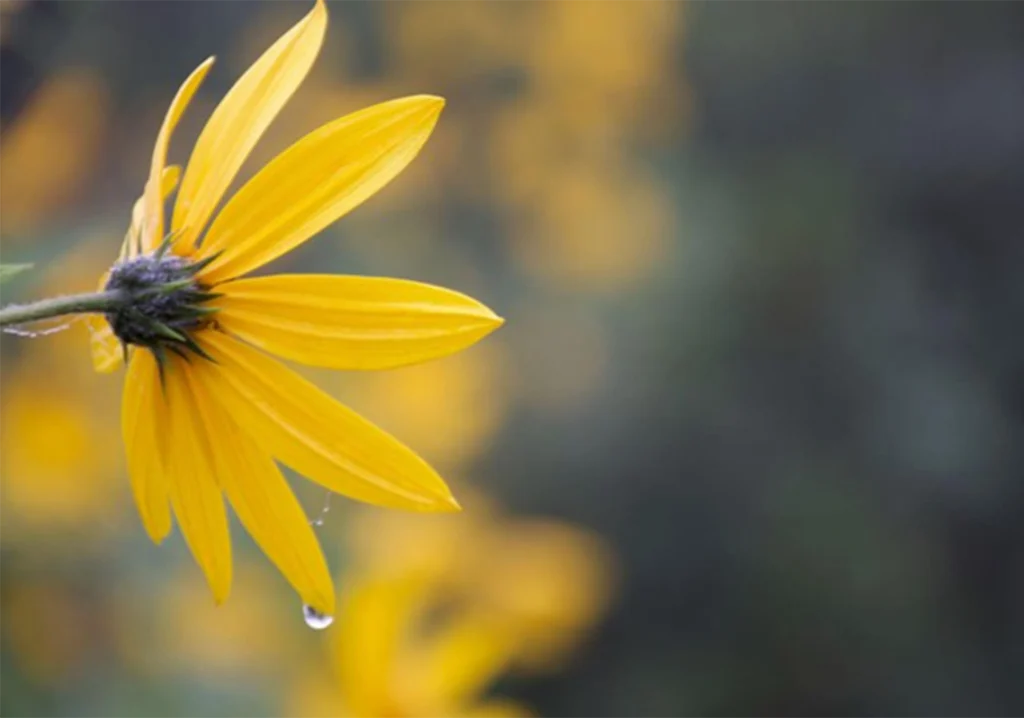
Instead of treating overcast weather as unsuitable for photography, many photographers begin recognizing it as one of the most reliable opportunities for creating quieter floral images. Moisture adds delicate reflections, mist simplifies distant backgrounds, and diffused light reduces harsh transitions between highlights and shadows.
Softness therefore becomes something discovered in nature rather than something added later during editing.
Similar observations can also be explored in Flowers in Shadow, where selective light and natural shade become essential elements of floral composition.
Softness Is Found Through Observation
Softness cannot be reduced to a single photographic technique. It is discovered through patience, careful observation, and an increasing sensitivity to the small visual relationships that exist in nature. A flower growing beneath thin morning clouds, surrounded by gently blurred vegetation, or emerging from a quiet background may communicate more than another flower photographed under technically perfect conditions.
As photographers spend more time observing these subtle changes, they begin noticing that softness is not created by one element alone. Light, weather, color harmony, distance, background, and composition gradually work together to shape the emotional character of an image.
Rather than searching for spectacular flowers, many photographers eventually find themselves searching for quieter moments.
Conclusion
Finding softness in flower photography is not about reducing sharpness or applying a particular editing style. It is about learning to recognize the gentle relationships that already exist within nature. Diffused light, quiet colors, soft backgrounds, changing weather, and careful composition all contribute to photographs that feel balanced rather than dramatic.
As photographers develop greater sensitivity to these visual relationships, softness gradually becomes part of their personal way of seeing rather than simply another photographic effect. This shift transforms flower photography from recording subjects into interpreting natural beauty through observation.
Softness is only one way of seeing and interpreting flowers through photography. Other approaches explore light, shadow, mood, color, space, and the relationships between flowers and their surroundings. Explore the broader Flower Photography collection to discover more visual perspectives and creative approaches to photographing flowers.
